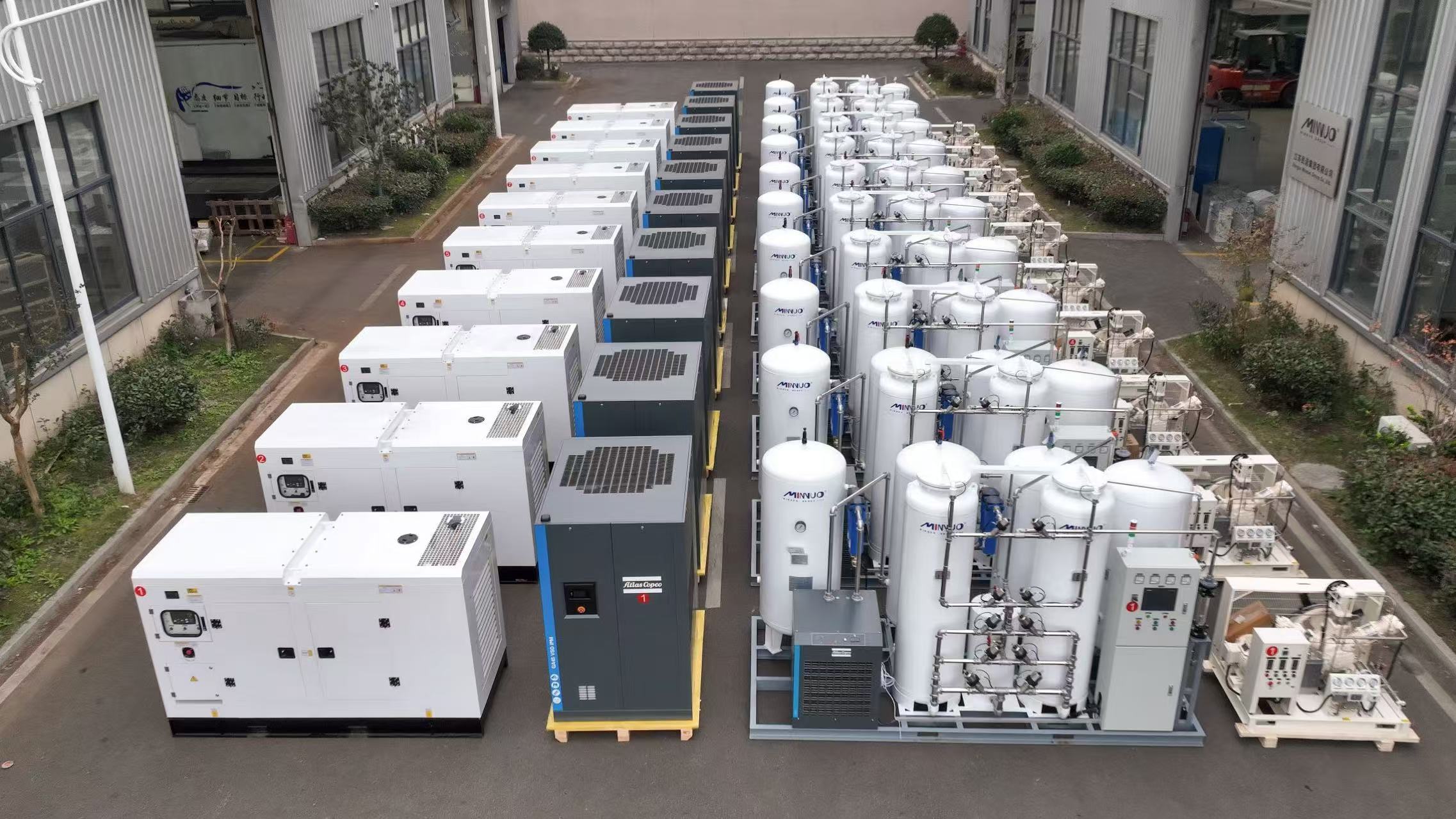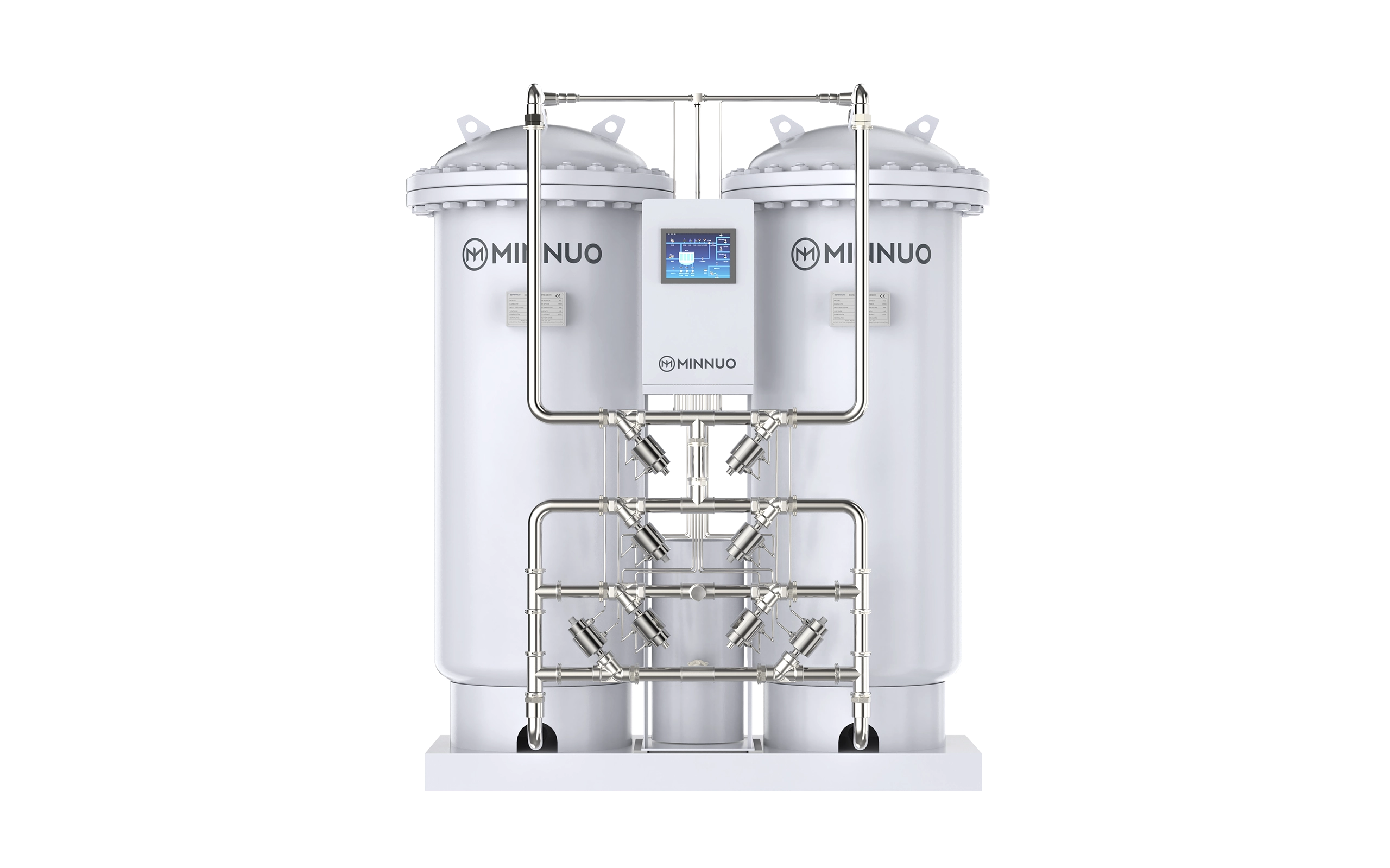
The Carbon Molecular Sieve (CMS) is not a consumable; it is the core engine of your Pressure Swing Adsorption (PSA) nitrogen generator. While compressors and valves capture attention, the CMS silently dictates your system’s output purity, flow capacity, energy efficiency, and long-term operating costs.
Choosing the wrong CMS or neglecting its condition leads to a slow, costly decline: nitrogen purity drifts, flow rates drop, and energy consumption climbs, often before any alarm is triggered. You’re not just buying sieves; you’re investing in the adsorption performance that defines your gas supply.
This guide moves beyond supplier datasheets. We explain the critical properties of CMS, how to monitor its health in real-time, and provide a framework for making the most cost-effective selection and replacement decisions over your system’s entire lifespan.
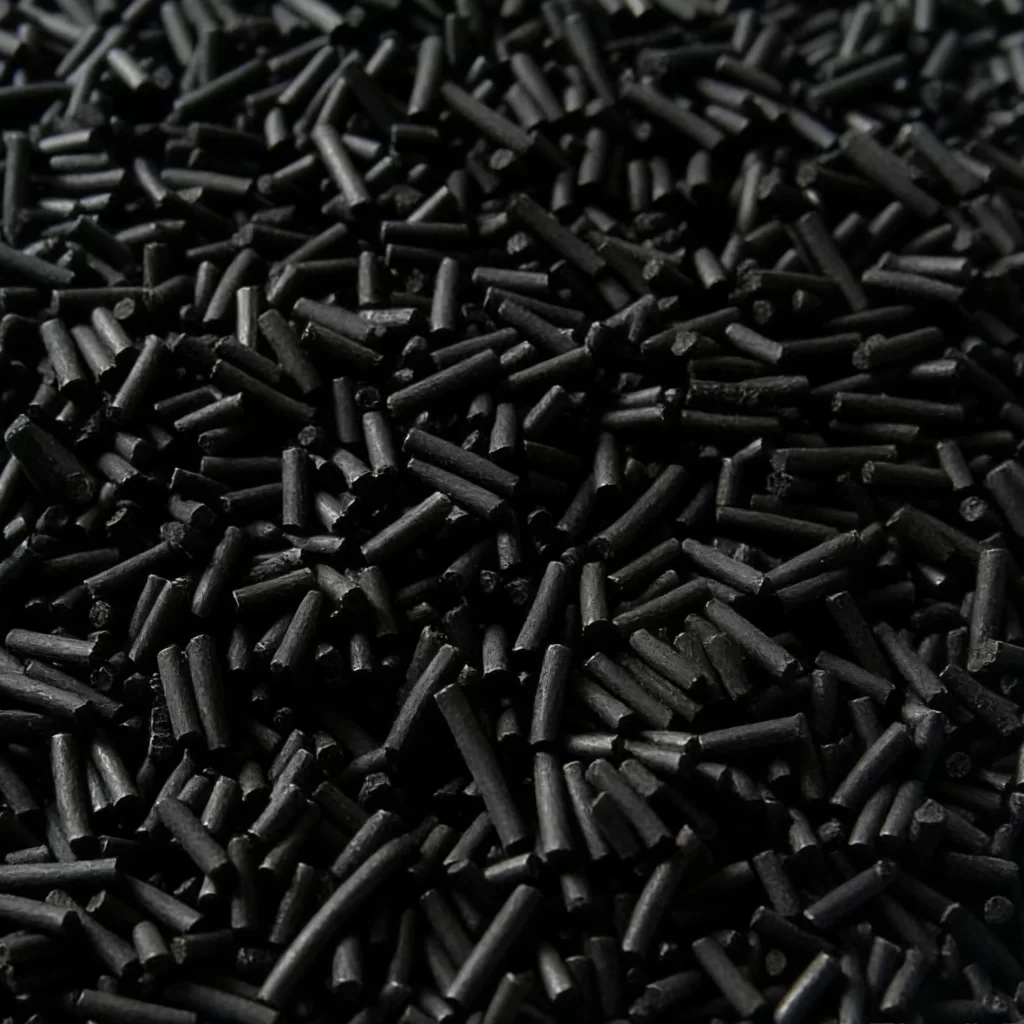
Understanding the Engine: What is CMS and How Does it Work?
A Carbon Molecular Sieve is a specialized activated carbon with a meticulously controlled pore structure. Its function relies on a kinetic separation principle, not size exclusion alone.
- The Science of Selective Adsorption: Both oxygen and nitrogen molecules can enter the CMS pores. However, oxygen molecules have a smaller kinetic diameter and diffuse into the pores faster than nitrogen molecules. During the short high-pressure adsorption phase, oxygen is preferentially trapped inside the pores, allowing nitrogen to pass through as the product gas.
- Regeneration is Key: During the subsequent low-pressure (or vacuum) desorption phase, the trapped oxygen is released and purged from the vessel, regenerating the CMS for the next cycle. This binary process occurs in twin towers to ensure a continuous flow of nitrogen.
The critical takeaway: CMS performance degrades not when pores “clog,” but when the kinetic selectivity between O₂ and N₂ diminishes, or when the pore structure is physically damaged.
CMS Selection Criteria: Beyond the Datasheet
When evaluating or specifying CMS, these four technical parameters are decisive for long-term performance and cost.
| Selection Criterion | What It Means | Impact on PSA Operation | Key Question to Ask |
| Nitrogen Productivity (Nm³/hr/m³ or cfm/ft³) | Volume of nitrogen produced per hour per volume of CMS. | Directly dictates vessel size. Higher productivity allows for a smaller, less costly vessel for the same output. | “What is the guaranteed minimum productivity at my target purity and specific pressure?” |
| Kinetic Selectivity (O₂/N₂ Separation Factor) | The measure of how much faster O₂ is adsorbed than N₂. | Determines purity and recovery. High selectivity achieves higher purity with less compressed air waste (higher recovery rate). | “How does the selectivity change over time and under varying inlet conditions?” |
| Mechanical Hardness (or Attrition Resistance) | The sieve’s resistance to breaking down into fines due to pressure cycling and particle friction. | Defines lifespan and protects valves. Low hardness leads to powdering, increased pressure drop, and valve damage. | “What is the average particle hardness (e.g., by ASTM or supplier test) and what is the guaranteed maximum dust generation after X cycles?” |
| Hydrocarbon & Moisture Tolerance | The sieve’s ability to withstand temporary exposure to oil aerosols or saturated air without permanent damage (coking). | Critical for real-world reliability. Robust CMS acts as a buffer against upstream filter failures. | “What level of oil/hydrocarbon exposure is considered reversible vs. causing permanent capacity loss?” |
The Procurement Pitfall: Never select CMS based on price per kilogram alone. A cheaper, lower-productivity or less-selective sieve will force your compressor to work harder for years, erasing any initial savings through massive energy waste. The true metric is cost per unit of nitrogen produced over the sieve’s life.
Monitoring CMS Health: From Reactive to Predictive Maintenance
Waiting for purity to fail is a production risk. Monitor these operational parameters to gauge CMS health proactively.
- Cycle Time (The Vital Sign):
- What to Track: The time of the adsorption phase for a given tower. As CMS ages and loses capacity, the tower saturates with oxygen faster.
- The Signal: A steady decrease in cycle time (e.g., from 60 seconds to 45 seconds) while maintaining purity is the clearest indicator of normal, gradual CMS aging. A sudden change may indicate upstream contamination.
- Product Purity Trend:
- What to Track: Continuous or frequent spot-check readings of outlet nitrogen purity.
- The Signal: A gradual downward drift in achievable purity (at a fixed cycle time) indicates selectivity loss. If purity cannot be maintained even with shorter cycles, significant degradation has occurred.
- Pressure Drop Across the Vessel:
- What to Track: Differential pressure (ΔP) across the adsorber vessel during adsorption.
- The Signal: A steady increase in ΔP is often caused by the accumulation of CMS fines (attrition dust) at the vessel outlet screen, restricting flow. This points to mechanical wear of the sieve.
- Compressed Air Consumption:
- What to Track: The specific compressed air consumption to produce one unit of nitrogen (e.g., Nm³ of air / Nm³ of N₂).
- The Signal: An increase in air consumption to maintain the same nitrogen output and purity is a direct measure of declining CMS productivity and recovery rate. It directly translates to higher energy costs.
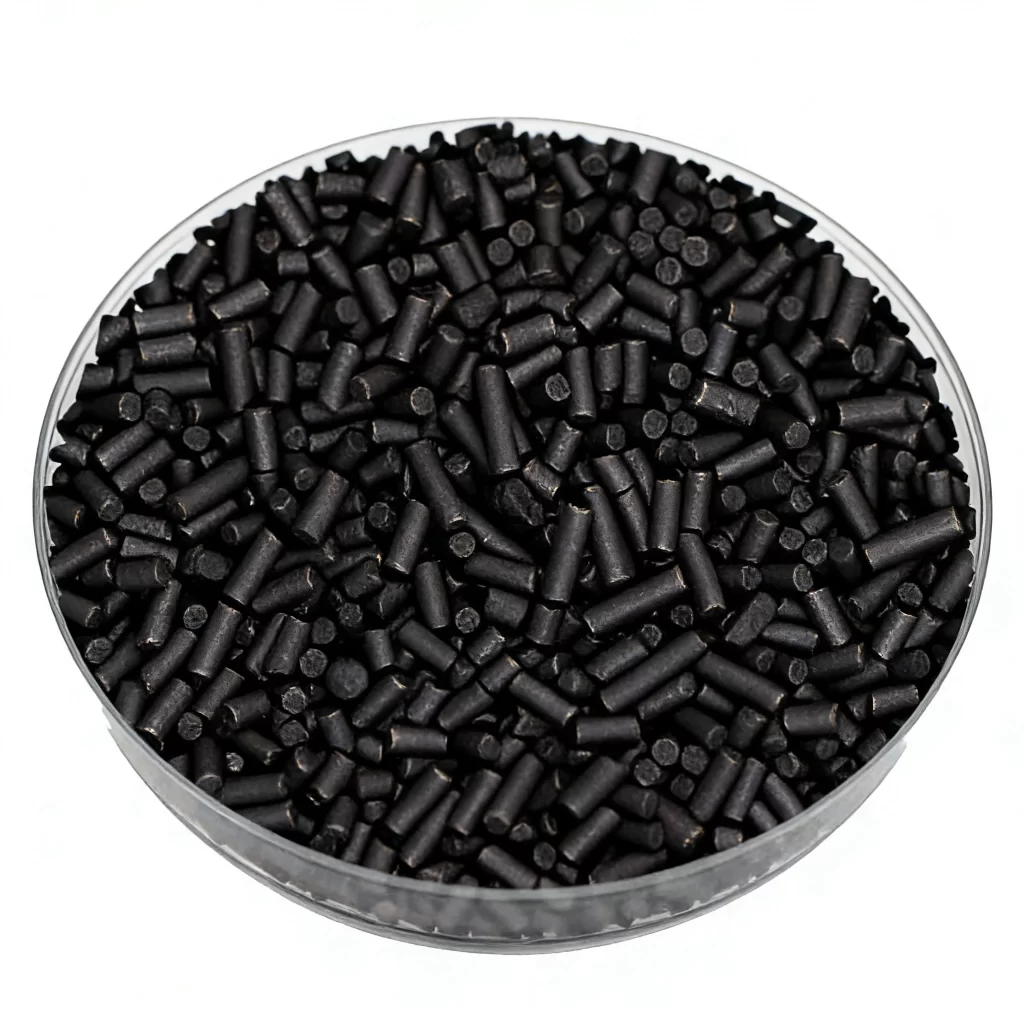
The Lifecycle Cost Analysis: When to Replace and What to Choose
The decision to replace CMS is a financial optimization problem. Use this framework.
Step 1: Quantify the Cost of Degradation
Calculate the extra energy cost being incurred due to aging CMS.
Formula: Extra Annual Cost = (Current Air Consumption – Baseline Consumption) × Annual Operating Hours × Electricity Cost per kWh
Step 2: Evaluate Replacement Options
Compare two paths for the next lifecycle:
- Option A: Like-for-Like Replacement. Known performance, predictable outcome.
- Option B: Upgrade to a Higher-Performance CMS. Higher upfront cost, but may offer better productivity/selectivity, leading to long-term energy savings or higher capacity.
Step 3: Build a Simple Financial Model
| Cost Factor | Option A (Like-for-Like) | Option B (Upgrade) |
| CMS Purchase & Installation Cost | $A | $B (likely higher) |
| Expected New Baseline Air Consumption | X Nm³/Nm³ | Y Nm³/Nm³ (lower target) |
| Projected Annual Energy Cost | Cost_A | Cost_B (lower target) |
| Annual Energy Savings vs. Degraded State | Savings_A | Savings_B |
| Payback Period for Upgrade Premium | — | ($B – $A) / (Savings_B – Savings_A) |
The Replacement Trigger: When the Extra Annual Cost of Degradation (Step 1) approaches or exceeds the annualized cost of a new sieve charge (including financing), replacement becomes economically justified. Proactive replacement is almost always cheaper than running to failure, which risks production downtime and product spoilage.
FAQ: Navigating CMS Decisions
Q1: Can CMS be partially replaced or topped up?
A1: This is strongly discouraged. Mixing old and new sieve, or sieve from different batches, creates flow channels and adsorption fronts that severely reduce system efficiency and purity. Always perform a complete change-out of both towers.
Q2: How long should CMS last?
A2: There is no fixed timeline; it’s a function of conditions. Under ideal, clean, dry air, high-quality CMS can last 5 to 8 years or more. With oil aerosols, moisture, or aggressive cycling, life can be reduced to 2-3 years. Let your performance monitoring data, not a calendar, determine the schedule.
Q3: What causes sudden or premature CMS failure?
A3: The two main culprits are liquid contamination and mechanical stress.
- Liquid Damage: A failed coalescing filter allowing liquid oil or water to flood the towers is catastrophic. The liquids block pores and can cause “caking,” permanently destroying capacity.
- Mechanical Stress: Extremely fast pressure cycling (very short cycle times), pressure surges, or poor vessel design leading to excessive particle movement accelerates attrition.
Q4: Is vacuum regeneration (VPSA)better for CMS life than pressure-swing (PSA)?
A4: It can be. Vacuum desorption applies less mechanical stress during depressurization compared to a rapid blow-down to atmospheric pressure. This gentler cycle can reduce particle attrition, potentially extending CMS life, especially in high-cycle applications.
Conclusion: Treat the CMS as a Capital Asset
The Carbon Molecular Sieve is the single largest determinant of your PSA nitrogen system’s lifetime cost structure. Viewing it as a simple maintenance item is a costly oversight.
Strategic management of this critical component requires:
- Informed Initial Selection: Prioritize lifetime cost of ownership over purchase price.
- Proactive Performance Monitoring: Track cycle time and energy consumption as key health indicators.
- Data-Driven Replacement Planning: Use energy cost escalation to justify economically optimal change-outs.
Ultimately, the most reliable path to minimizing CMS lifecycle cost is to ensure it operates in a clean, stable, and well-designed system. Investing in superior upstream filtration and stable compressor air is an investment that pays dividends through years of consistent CMS performance.
For operations where nitrogen reliability and cost are critical, a CMS performance audit can establish a baseline and forecast the optimal replacement window. At MINNUO, our service extends beyond supplying sieve; we analyze your system data to provide actionable recommendations that protect your core adsorption asset and secure your gas supply for the long term.