As a practitioner on the front lines of Indonesia’s energy sector, the recently released report “Toxic Twenty: Unmasking Indonesia’s Most Toxic Coal Fired Power Plants” serves as a sobering revelation. The joint study by CELIOS, CREA, and Trend Asia indicates that by 2050, these plants could cause 156,000 premature deaths and up to $109 billion in economic losses.
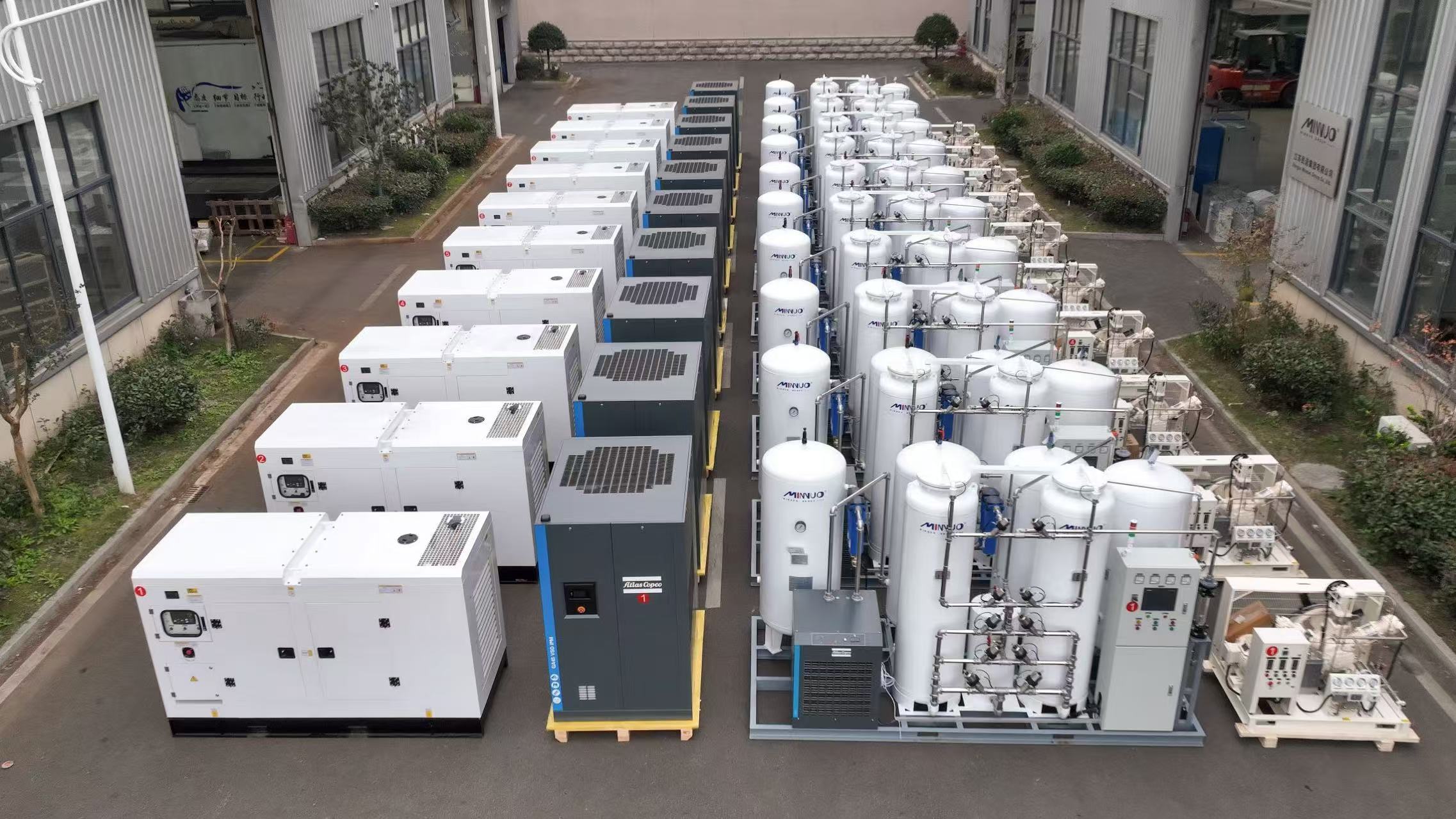
Faced with such severe health and economic accountability, completely shutting down all plants in the short term is not realistic. Therefore, as technical personnel, our immediate priority is to utilize advanced gas generation technology (Oxygen and Nitrogen Generators) to optimize existing processes, maximize the reduction of emission toxicity, ensure operational safety, and reduce reliance on external supply chains.
This article explores how on-site gas generation systems can address the environmental and health crises highlighted in the report from a technical application perspective.
Nitrogen Generation Systems: The “Invisible Shield” of Plant Safety and Efficiency Cornerstone
The “Toxic Twenty” report cites massive economic losses and potential accident risks. For coal-fired power plants, Nitrogen is not just an industrial gas; it is key to preventing catastrophic accidents and maintaining equipment longevity.
1. Preventing Coal Dust Spontaneous Combustion & Explosions (Pulverizers & Silos)
Indonesia’s high humidity and high-temperature environment make bituminous and lignite coal extremely prone to spontaneous combustion.
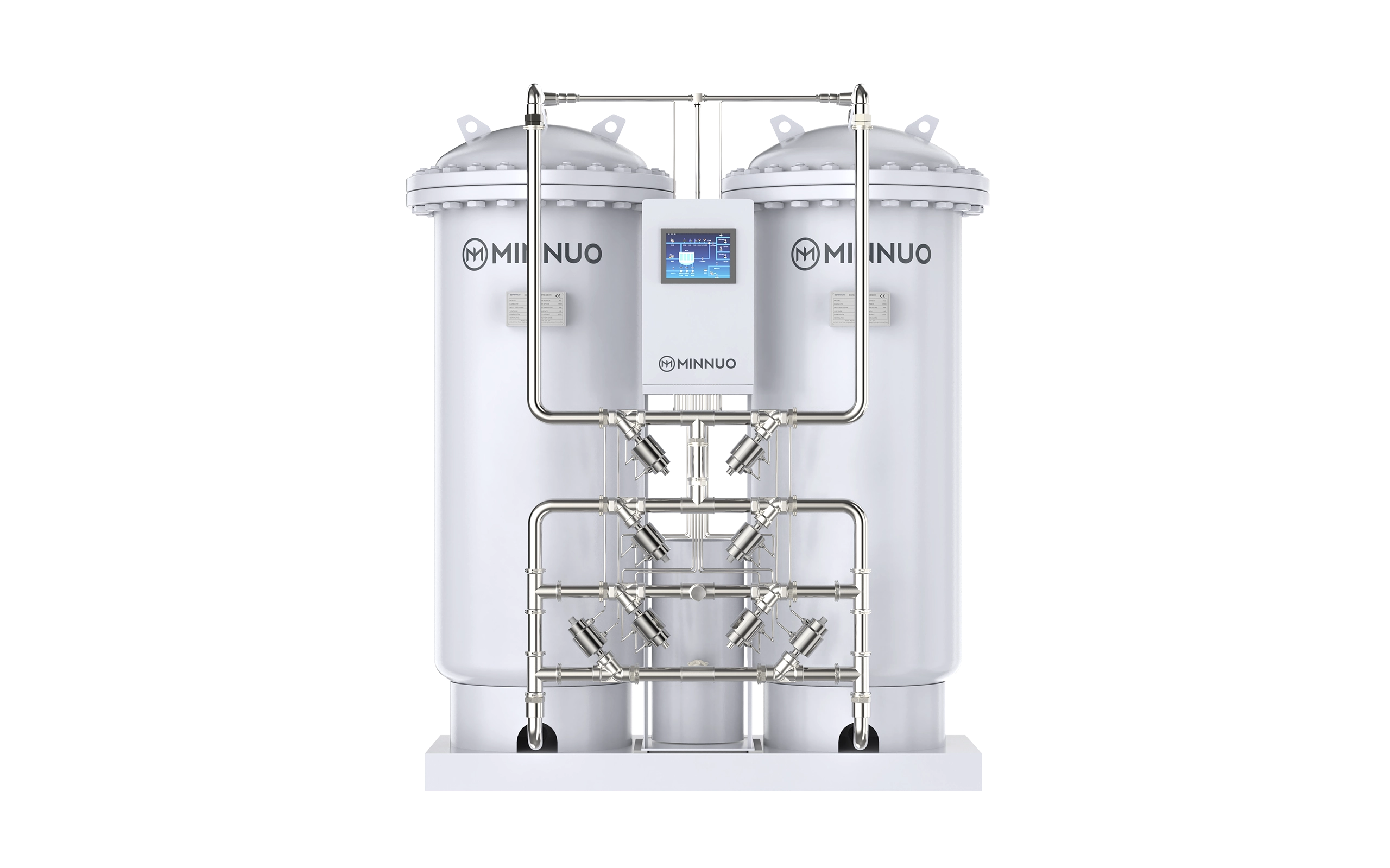
- Technical Application: Utilize PSA (Pressure Swing Adsorption) Nitrogen Generators to produce nitrogen with 95%-97% purity on-site, injecting it as an inert gas into coal silos and pulverizers.
- Proven Practice: Based on NFPA 850 standards and thermal power plant explosion protection practices, maintaining oxygen levels below 8-10% can effectively eliminate coal dust explosions. This directly responds to the report’s requirements regarding worker safety and reducing sudden pollution emissions caused by accidents.
2. Boiler Lay-up Protection & Corrosion Control
The report points out that inefficient, aging plants are more toxic. Corrosion is a primary cause of efficiency decline.
- Technical Application: During unit maintenance or peak-shaving downtime, use high-purity nitrogen (99.9%) to perform “Nitrogen Blanketing” on the boiler water/steam system.
- Benefits: Prevents oxygen corrosion caused by air ingress. This ensures that thermal efficiency does not drop upon unit restart, thereby consuming less coal for the same power generation output, which indirectly reduces the total emissions of and .
Oxygen Generation Systems: The Core Weapon Against “Toxic” Emissions
The most alarming data in the CELIOS report concerns health impacts like respiratory infections and premature births, primarily attributed to sulfur oxides (), nitrogen oxides (), and particulate matter. On-site oxygen generation technology plays an indispensable role in pollution control systems.
1. Enhancing Flue Gas Desulfurization (FGD) Efficiency
This is the most critical application scenario for oxygen generators in coal plants.
- Technical Principle: In the wet limestone-gypsum FGD process, forced oxidation air must be blown into the absorption tower slurry pool. While Roots blowers are typically used to inject air, introducing Enriched Oxygen or pure oxygen can significantly increase the conversion rate of Calcium Sulfite () to Calcium Sulfate (, i.e., Gypsum).
- Countering “Toxic Twenty” Allegations: Improving FGD efficiency directly reduces the Sulfur Dioxide () released into the atmosphere. Based on analytical models from CREA (Centre for Research on Energy and Clean Air), lowering concentrations can significantly reduce the incidence of respiratory diseases among surrounding residents.
2. Wastewater Treatment & Ozone Oxidation
The report mentions that plant pollution causes losses in fisheries and agriculture (threatening approximately 1.45 million jobs).
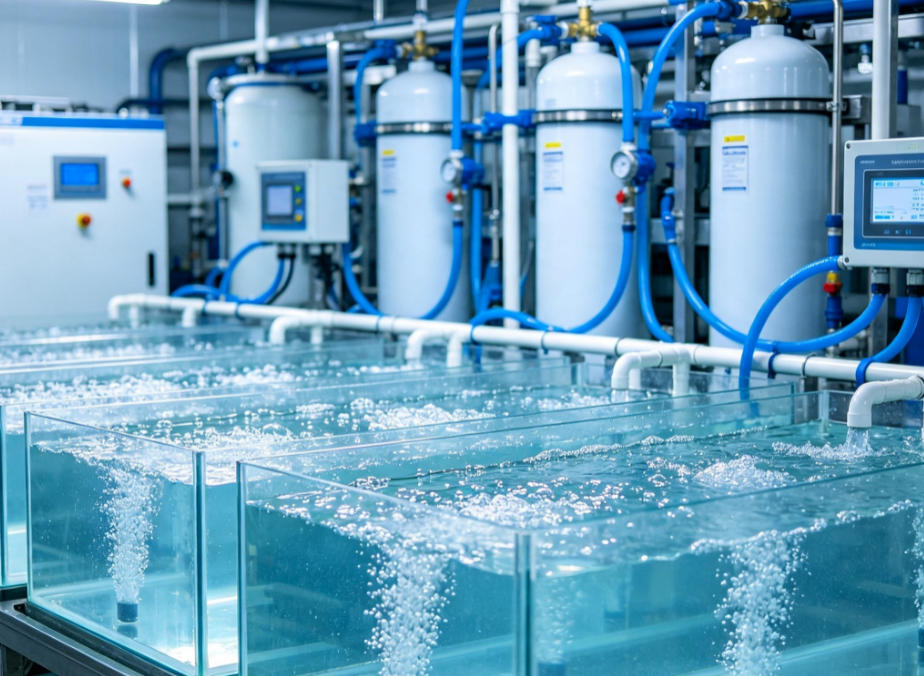
- Technical Application: Utilize oxygen produced by generators as the feed gas for Ozone Generators. Ozone has extremely strong oxidizing properties and can be used to treat plant cooling circulating water and desulfurization wastewater, effectively degrading COD (Chemical Oxygen Demand) and removing heavy metals.
- Ecological Benefits: Ensures discharge water quality meets standards, protects river ecology, and salvages the livelihoods of local fishermen, responding to the report’s accusations regarding “economic deprivation.”
Operational Strategy Comparison & FAQ: Cost Optimization from a Supply Chain Perspective
The following compares on-site gas generation with traditional bottled/liquid gas supply.
On-site Gas Generation vs. External Liquid Supply
| Indicator | On-site Gas Generation System (PSA/VPSA) | Traditional External Purchase (Liquid N2/O2 Tankers) | Advantage regarding “Toxic Twenty” |
|---|---|---|---|
| Carbon Footprint | Low (Consumes electricity only) | High (Transport emissions + liquefaction energy) | Reduces overall carbon emissions; aligns with energy transition. |
| Supply Stability | Extremely High (Self-sufficient) | Medium/Low (Affected by road conditions/logistics) | Ensures continuous operation of environmental facilities (FGD/Wastewater). |
| OPEX | Low (Mainly maintenance & electricity) | High (Unit price of gas + rental fees) | Saved funds can be redirected to other environmental retrofits. |
| Safety | High (Low-pressure operation) | Medium (High-pressure storage/Cryogenic risks) | Reduces hazardous sources within the plant area. |
Industry Practitioner FAQ
Q: Why not just use compressed air for FGD oxidation? Why consider enriched oxygen?
A: While compressed air is standard, in cases of high-sulfur coal combustion (common in Indonesia), the partial pressure of oxygen in standard air may be insufficient to completely oxidize sulfites. Enriched oxygen serves as an intensification method to boost desulfurization efficiency without large-scale equipment overhauls, allowing for rapid response to environmental agency spot checks or tightening emission standards.
Q: Can on-site nitrogen generators handle the fluctuating demand of a power plant?
A: Yes. Modern PSA systems are equipped with buffer tanks and intelligent control systems (such as Siemens or Atlas Copco modules) that automatically adjust gas production based on the number of operating pulverizers, maximizing energy efficiency.
Conclusion: Tech-Enablement—Holding the Line During Transition
In summary, the “Toxic Twenty” report reveals a massive moral and economic crisis facing Indonesian coal-fired power plants. While the ultimate goal is a transition to renewable energy, at this stage, the comprehensive deployment of on-site Oxygen and Nitrogen generation systems is the most pragmatic means to reduce the harm caused by these 20 “highly toxic” plants.
- Core Finding: Nitrogen systems indirectly improve energy efficiency by preventing accidents and corrosion; Oxygen systems directly cut pollutants that cause health crises by enhancing FGD and wastewater treatment.
- Actionable Recommendation: It is recommended that all listed power plants immediately assess their current gas supply models and switch to On-site Generation. The OPEX savings should be reinvested into deep denitrification and dust removal technologies to respond to public health concerns with concrete actions.
Source Declaration
Author: Senior Thermal Power Engineering Consultant, Indonesia
Credentials: Over 15 years of experience in coal-fired power plant O&M management, specializing in auxiliary system optimization and environmental retrofits (FGD/SCR). Has participated in multiple Efficiency Improvement Projects for power plants on Java Island, Indonesia.
References:
- Health impact and economic loss data are directly cited from the report “Toxic Twenty: Unmasking Indonesia’s Most Toxic Coal Fired Power Plants” released jointly by CELIOS (Center of Economic and Law Studies), CREA, and Trend Asia in November 2025.
- Technical application sections are based on power industry standards (such as NFPA 850) and engineering practices of modern gas separation technology (PSA/VPSA).