
You’re investing in a PSA nitrogen generator for long-term control and savings. But for how long? When you purchase this significant asset, you’re right to ask: “What is its expected lifespan, and how can I ensure I reach it?”
A well-designed and properly maintained PSA system is built for longevity, often exceeding a decade of reliable service. However, its actual life is not determined by a calendar; it’s a function of how it is treated. Understanding the factors that extend—or drastically shorten—its operational life is key to protecting your investment.
This guide breaks down the realistic lifespan expectations for PSA generators, details the engineered components with defined lifecycles, and, crucially, exposes the five most common reasons these systems fail years before their time.
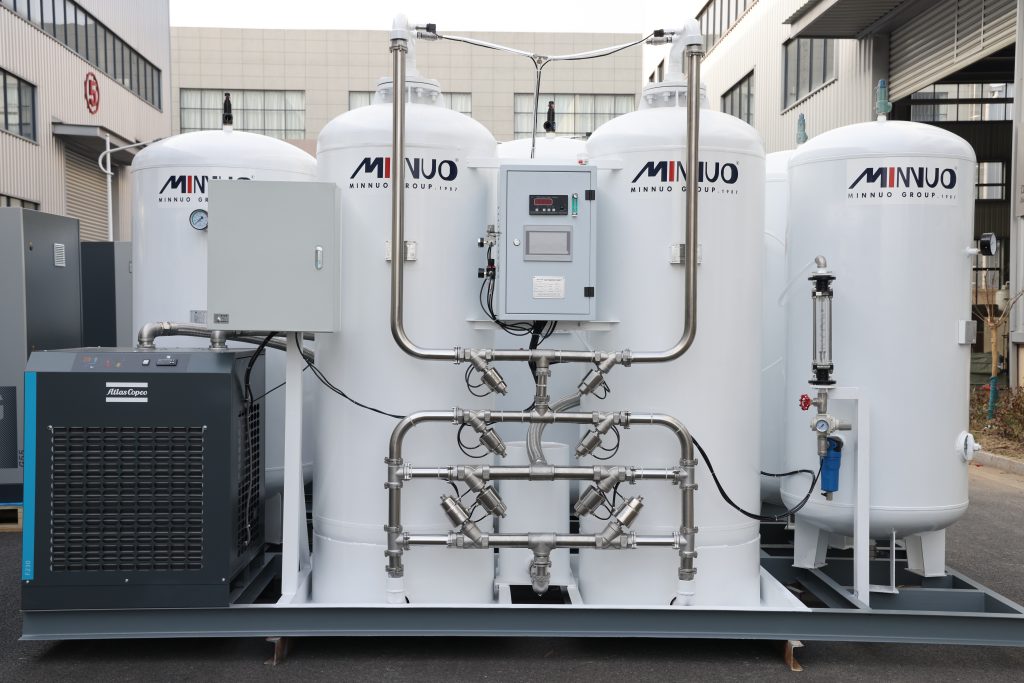
Defining “Lifespan”: It’s a Composite, Not a Single Number
A PSA nitrogen generator is a system of components, each with its own wear profile. Its overall “lifespan” is the point at which the cost of maintaining or replacing critical components outweighs the value of continued operation.
- Typical Design Life: Reputable manufacturers engineer PSA systems for a 10 to 15+ year service life under specified operating conditions.
- Critical Component Lifelines:
- Structural & Pressure Vessels: 20+ years (essentially the life of the plant).
- Valves & Actuators: 5-10+ years (dependent on cycle count and maintenance).
- Control System & Sensors: 7-12+ years (subject to technological obsolescence).
- The Heart: Carbon Molecular Sieve (CMS): 3 to 8+ years. This is the primary consumable wear component. Its life is the most variable and impactful on system performance.
The 5 Pillars of a Long Generator Life
Achieving the upper end of the lifespan range depends on these five factors:
- Quality of Core Components: The durability of valves, the corrosion resistance of vessels, and the initial adsorption capacity and hardness of the CMS are foundational. Higher initial quality costs more but pays over decades.
- Clean, Dry Inlet Air (The Non-Negotiable): This is the #1 external factor. Feeding the generator air that meets ISO 8573-1 Class 2.1.1 or better (especially for oil) prevents the poisoning and clogging of the CMS.
- Stable, Appropriate Operating Load: Running a generator consistently at 70-90% of its rated capacity is ideal. Extreme, constant 100% loads or frequent, deep cycling stresses all components.
- Professional Installation & Commissioning: Proper piping (minimizing stress), correct electrical connections, and precise calibration of cycle times during startup prevent “infant mortality” failures and latent issues.
- Consistent, Preventive Maintenance: Adhering to a schedule for filter changes, valve inspections, and system checks catches small problems before they become catastrophic.
The 5 Most Common Causes of Premature Failure
Most early failures are not random; they are predictable and preventable.
1. Oil Contamination: The Silent Killer
- How it Happens: Oil aerosols or vapor from an oil-lubricated compressor bypass failing coalescing filters or are drawn in from the atmosphere.
- The Damage: Oil coats and irreversibly blocks the micropores of the CMS. It also gums up valve seats and sensors.
- Outcome: CMS life reduced from 8 years to 1-3 years. Purity and flow rate permanently degrade. This is the leading cause of premature system death.
2. Liquid Water Ingress (The “Flash Flood”)
- How it Happens: A failed drain trap, undersized dryer, or faulty wet tank allows liquid water to carry over into the PSA towers.
- The Damage: Liquid water can cause CMS beads to fracture (attrition) or create channels in the adsorbent bed. It also leads to internal corrosion.
- Outcome: Sudden, severe loss of capacity and purity. Often requires immediate, full CMS replacement.
3. Excessive, Uncontrolled Cycling
- How it Happens: The system is vastly oversized for the demand, causing it to start/stop or load/unload hundreds of times per day.
- The Damage: Extreme wear on valves, actuators, and the electrical system. Each cycle is a pressure and thermal shock to the CMS.
- Outcome: Mechanical failure of valves within 2-3 years, alongside accelerated CMS degradation.
4. Poor Maintenance Culture (“Run to Failure”)
- How it Happens: Filters are not changed, drains are not checked, and performance is not monitored.
- The Damage: Clogged filters increase pressure drop, starving the generator. Failed drains lead to water ingress. Small valve leaks go unnoticed, wasting capacity.
- Outcome: A slow, cumulative degradation of performance and efficiency, leading to an early, expensive overhaul when the system finally collapses under neglect.
5. Incorrect Regeneration Pressure or Timing
- How it Happens: Improper setup during commissioning or unauthorized adjustment of purge settings.
- The Damage: Insufficient purge leaves moisture and oxygen in the CMS bed, slowly degrading it. Excessive purge wastes compressed air and can fluidize the bed, causing particle attrition.
- Outcome: Chronic underperformance and reduced CMS life, often without an obvious dramatic failure.
Maximizing Your Investment: The Lifecycle Mindset
To ensure your PSA generator reaches its full potential lifespan, adopt this proactive approach:
- Before Purchase: Specify stringent inlet air quality requirements and demand high-quality valve brands. Consider a VSD compressor for better load matching.
- During Installation: Insist on a detailed commissioning report that documents all setpoints (pressures, cycle times, purge rates).
- In Operation:
- Monitor Religiously: Log key parameters weekly: outlet purity, operating pressure, cycle time, and dew point of inlet air.
- Maintain Preventively: Follow the OEM’s maintenance schedule for filters and valve inspections. Test automatic drains daily.
- Test CMS Health Annually: Track the trend of cycle time at constant purity. A steady shortening indicates normal aging; a sudden change signals trouble.
Conclusion: Lifespan is a Managed Outcome
The lifespan of your PSA nitrogen generator is not a promise etched in stone; it is a prediction based on the conditions you provide. By understanding and controlling the factors within your power—especially inlet air quality and maintenance discipline—you directly influence the longevity and return on your investment.
The difference between a system that fails in 5 years and one that thrives for 15 is rarely the equipment itself, but the system and care that surrounds it. Protecting your generator with clean air and consistent care is the most cost-effective strategy you can employ.
For an objective assessment of your system’s health and remaining life, a PSA Generator Performance Audit is the definitive tool. At MINNUO, our evaluation includes inlet air quality testing, CMS performance analysis, and a review of valve cycling, providing you with a data-driven forecast of lifespan and a prioritized action plan to extend it.

 sales2:+86 17506119168