
In oxy-fuel cutting, oxygen is the active agent that enables the process. It’s not just a supporting gas; it’s the fuel for the chemical reaction that severs steel. While many operators focus on fuel gas type and tip size, the purity of the oxygen supply is a critical, often overlooked variable that directly impacts productivity, cost, and cut quality.
Using lower-purity oxygen (e.g., 95% vs. 99.5%) is like running a high-performance engine on low-octane fuel—it works, but inefficiently. This guide explains the science behind oxygen purity in cutting, quantifying its effects on speed, quality, and your bottom line.
The Science: What Happens in the Kerf?
Oxy-fuel cutting is a controlled combustion process:
- Preheat Flames heat the steel to its kindling temperature (~870-980°C for mild steel).
- High-Purity Oxygen Jet is injected, oxidizing the iron into iron oxide (slag) in an exothermic reaction.
- The oxygen jet expels the molten slag from the kerf, creating the cut.
The Role of Purity: The cutting oxygen stream must be nearly pure to maintain a intense, localized reaction. Impurities (like nitrogen and argon) in the oxygen stream act as a coolant, diluting the reaction, absorbing heat, and interfering with slag removal.

Quantifying the Impact: Purity vs. Performance
The difference between standard industrial oxygen (99.5% purity) and lower grades (95-99%) is measurable and significant.
| Oxygen Purity | Typical Source | Effect on Cutting Speed | Effect on Cut Quality & Gas Use |
| < 99.0% | Poorly tuned on-site generator or bulk supply with contamination. | Severely Reduced. Expect 15-30% slower speeds. The reaction is sluggish, requiring slower travel to achieve full penetration. | Very poor. High slag adhesion, rounded edges, severe top-edge melting, and increased oxygen consumption per meter cut. |
| 99.0 – 99.5% | Standard bulk liquid oxygen (LOX) or high-quality PSA generator. | Standard Baseline. Used for most general steel fabrication. Provides reliable performance. | Acceptable. Some slag may require cleaning. Good squareness on thinner materials. |
| 99.5 – 99.7% | High-purity LOX or premium PSA/VPSA generators. | Optimized. 5-15% faster cutting speeds compared to 99.0% grade. The reaction is more efficient. | Very Good. Cleaner kerf, sharper top edge, less slag, and reduced oxygen consumption by up to 10-15%. |
| > 99.7% (Grade 3.0+) | Specialty supply for high-duty cycles. | Marginal gains in speed over 99.5%. The primary benefit is exceptional consistency in automated, high-precision cutting. | Excellent. Superior edge squareness, minimal dross, especially on thicker plates (>100mm). Maximizes fuel efficiency. |
Key Takeaway: Upgrading from 95% to 99.5% purity can increase cutting speed by 25% or more and reduce oxygen use by 20%. For a shop running multiple torches, this translates to substantial gains in daily throughput and gas cost savings.
The Hidden Costs of Low-Purity Oxygen
- Increased Gas Consumption: More impurity means less reactive oxygen per cubic meter. You pay for gas you cannot use for cutting.
- Higher Fuel Gas Use: The preheat flames must work harder to compensate for the cooling effect of impurities, increasing acetylene, propane, or natural gas costs.
- Post-Processing Labor: Poor cuts with heavy slag require grinding or rework, adding labor cost and slowing down fabrication flow.
- Tip and Nozzle Wear: Erratic slag flow and a less focused flame can increase wear on consumable cutting tips.
How to Check and Ensure Your Oxygen Purity
If you suspect purity is affecting your operation:
- Source Verification: Request a Certificate of Analysis from your gas supplier for bulk LOX. For on-site generators, review the manufacturer’s spec sheet and maintenance logs for the PSA/VPSA system.
- Inline Monitoring: Install a portable or fixed oxygen analyzer at the point-of-use (before the torch manifold). This is the only way to know the purity actually reaching your torch, accounting for any potential pipeline contamination.
- Performance Test: Conduct a side-by-side cut test using a known high-purity source (e.g., a high-grade bottle) versus your usual supply on the same material and thickness. Compare speed, slag, and edge quality.

FAQ: Oxygen Purity in Oxy-Fuel Cutting
Q1: We use an on-site PSA oxygen generator. Can we achieve 99.5%+ purity for cutting?
A1: Yes, but it requires a properly sized and well-maintained “high-purity” PSA or VPSA system. Standard industrial PSA units often top out at 95-99%. For cutting, specify a generator designed for 99.5% purity, which may use a different sieve material and cycle process. Regular maintenance of filters and desiccant dryers is critical to maintain this spec.
Q2: Does oxygen purity matter for all fuel gases (acetylene, propane, natural gas)?
A2: Yes, absolutely. While the fuel gas provides the preheat flame, the cutting oxygen stream does the actual severing. The purity requirement is driven by the oxidation reaction, which is independent of the fuel gas used for preheating.
Q3: Is purity more important for manual or machine cutting?
A3: It’s critical for both, but the impact is more pronounced and costly in machine cutting. Manual operators can (unknowingly) compensate for slower speeds. A CNC cutting machine runs a set program; low purity means it cuts slower than its potential, directly reducing asset utilization and job shop throughput.
Q4: We cut mostly thin plate (<25mm). Do we still need high purity?
A4: The need is slightly less critical than for thick plate, but benefits remain. On thin plate, you will still see cleaner edges with less top-edge melting and faster cutting speeds, which improve productivity. The cost savings on gas may be slightly less, but the quality and speed gains are valuable.
Conclusion: Purity is a Direct Lever for Profitability
In oxy-fuel cutting, oxygen is not a commodity—it’s a precision tool. Investing in a high-purity supply (99.5% or higher) is one of the most effective ways to increase cutting capacity, improve part quality, and reduce total gas consumption without changing equipment or operators.
For any shop serious about efficiency, performing an audit of oxygen purity and its effects on your specific operation is a high-ROI exercise. The gains in speed and reductions in consumable costs often pay for the upgrade in a very short time.
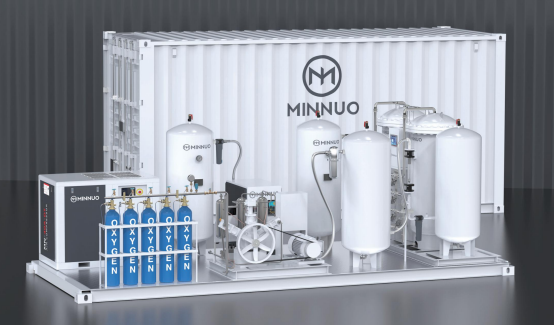
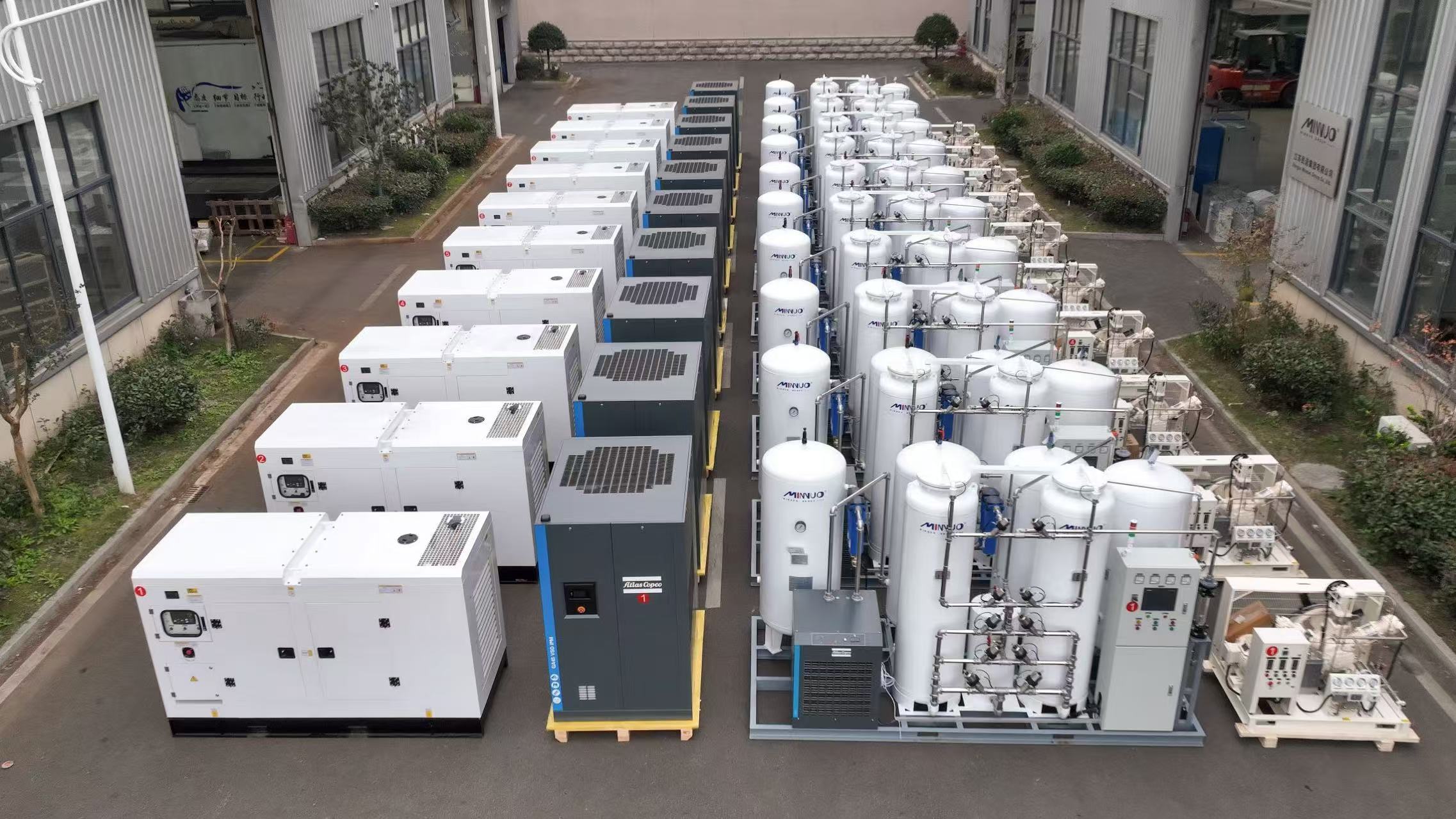
Looking to optimize your oxy-fuel cutting process or specify a high-purity oxygen supply? Contact the MINNUO engineering team. We can analyze your current gas usage and cutting results, and recommend solutions—from high-purity on-site generators to system upgrades—to maximize your cutting speed and quality.


 sales2:+86 17506119168