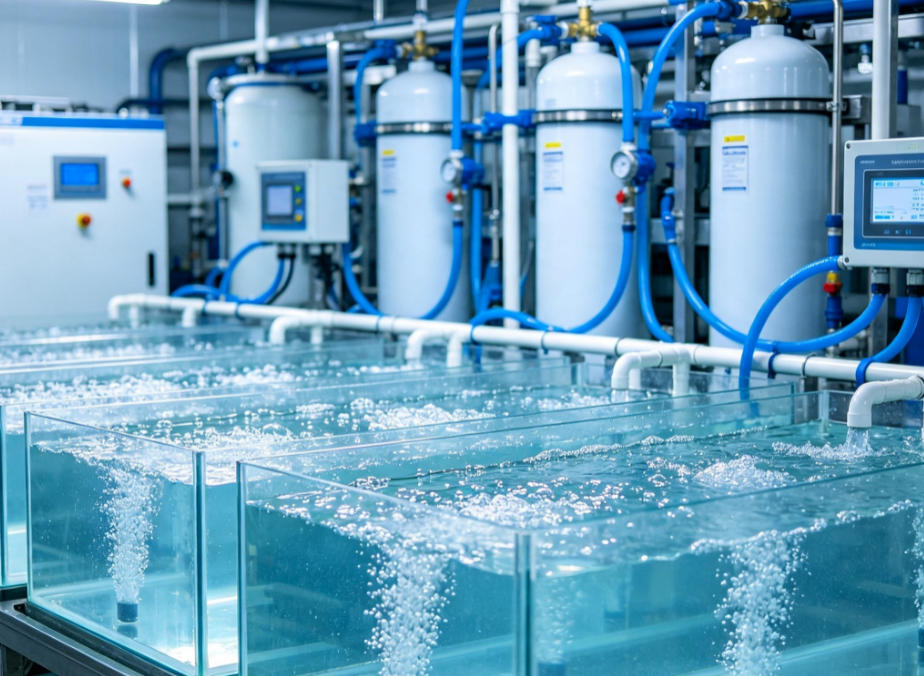
In ozone generation for water purification, air disinfection, and industrial oxidation, oxygen is the feedstock, not just a utility. The purity of your oxygen supply directly dictates the ozone concentration you can produce, the efficiency of the process, and the long-term operating costs.
While ambient air (21% O₂) can be used, commercial and industrial systems almost always use oxygen-enriched air or high-purity oxygen to achieve viable production rates. This guide breaks down the critical relationship between oxygen feed purity and ozone system performance, helping you specify the right oxygen source for your application.
Core Principle: Oxygen Purity = Higher Ozone Yield & Lower Operating Cost
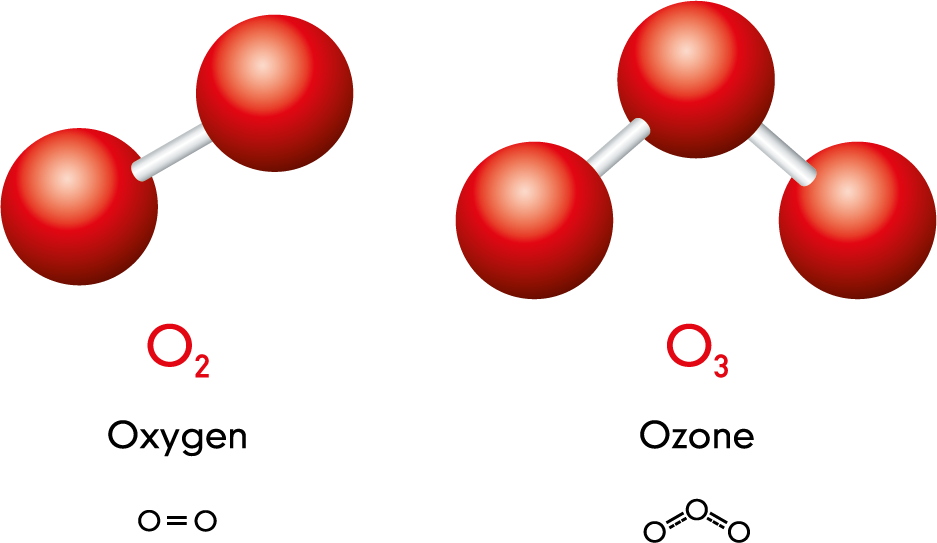
Ozone (O₃) is generated by passing an oxygen-containing gas through a high-voltage electrical field (corona discharge). The fundamental reaction is: 3O₂ → 2O₃.
Why Purity Matters:
- Higher Concentration Input: Starting with 90-95% O₂ instead of 21% O₂ means there are 4-5 times more oxygen molecules available in the same gas volume to convert into ozone.
- Elimination of “Inerts”: The nitrogen (N₂) in air is not just inert; at high temperatures in the corona, it forms nitrogen oxides (NOx). NOx reacts with ozone and water to form nitric acid, which is highly corrosive to system components and consumes ozone.
- Energy Efficiency: Producing a target mass of ozone from air requires processing a much larger gas volume, leading to higher compression and cooling costs. Pure oxygen systems are significantly more energy-efficient per kg of O₃ produced.
The Trade-Off: PSA Oxygen Purity vs. Cost of Production
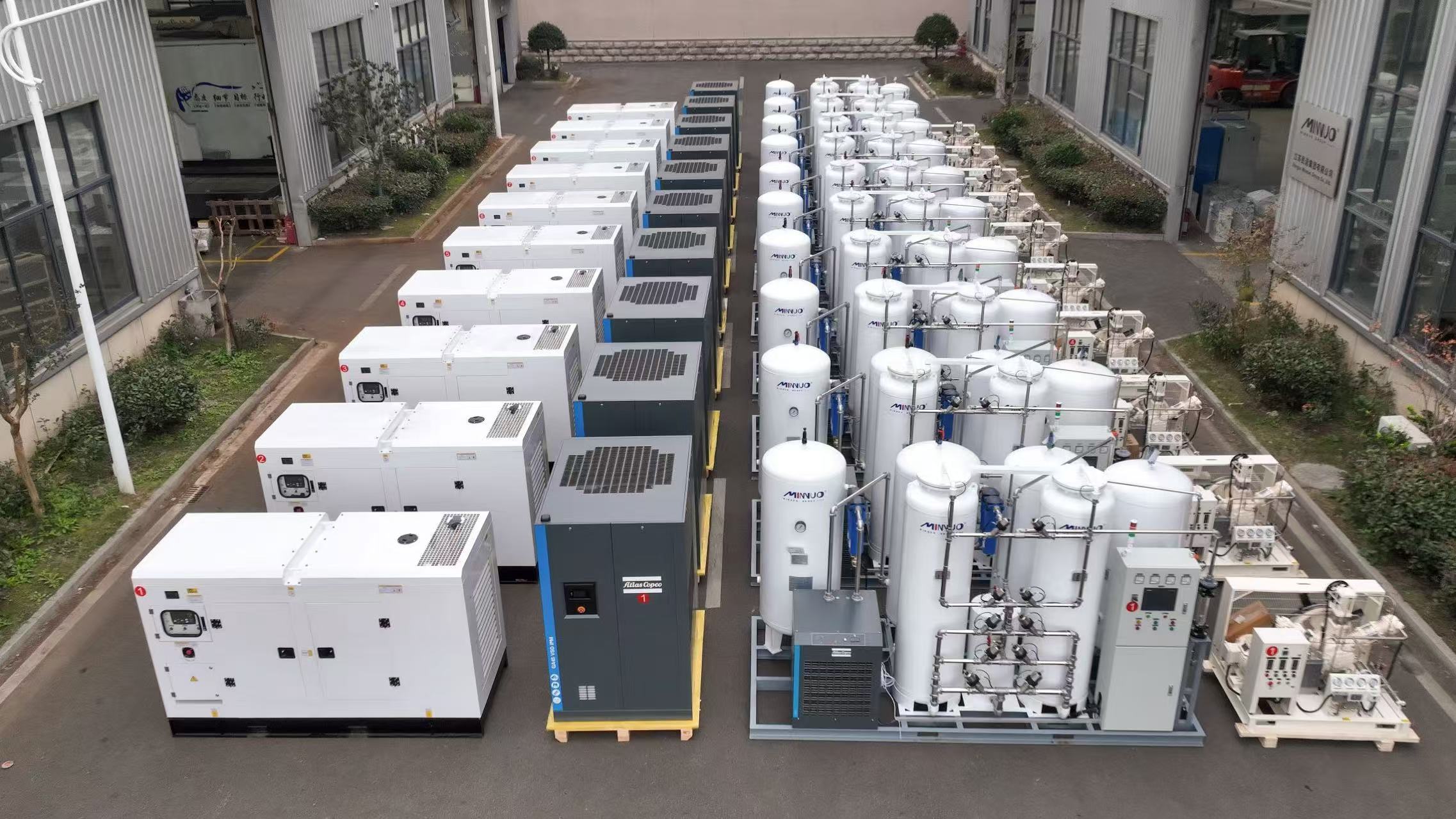
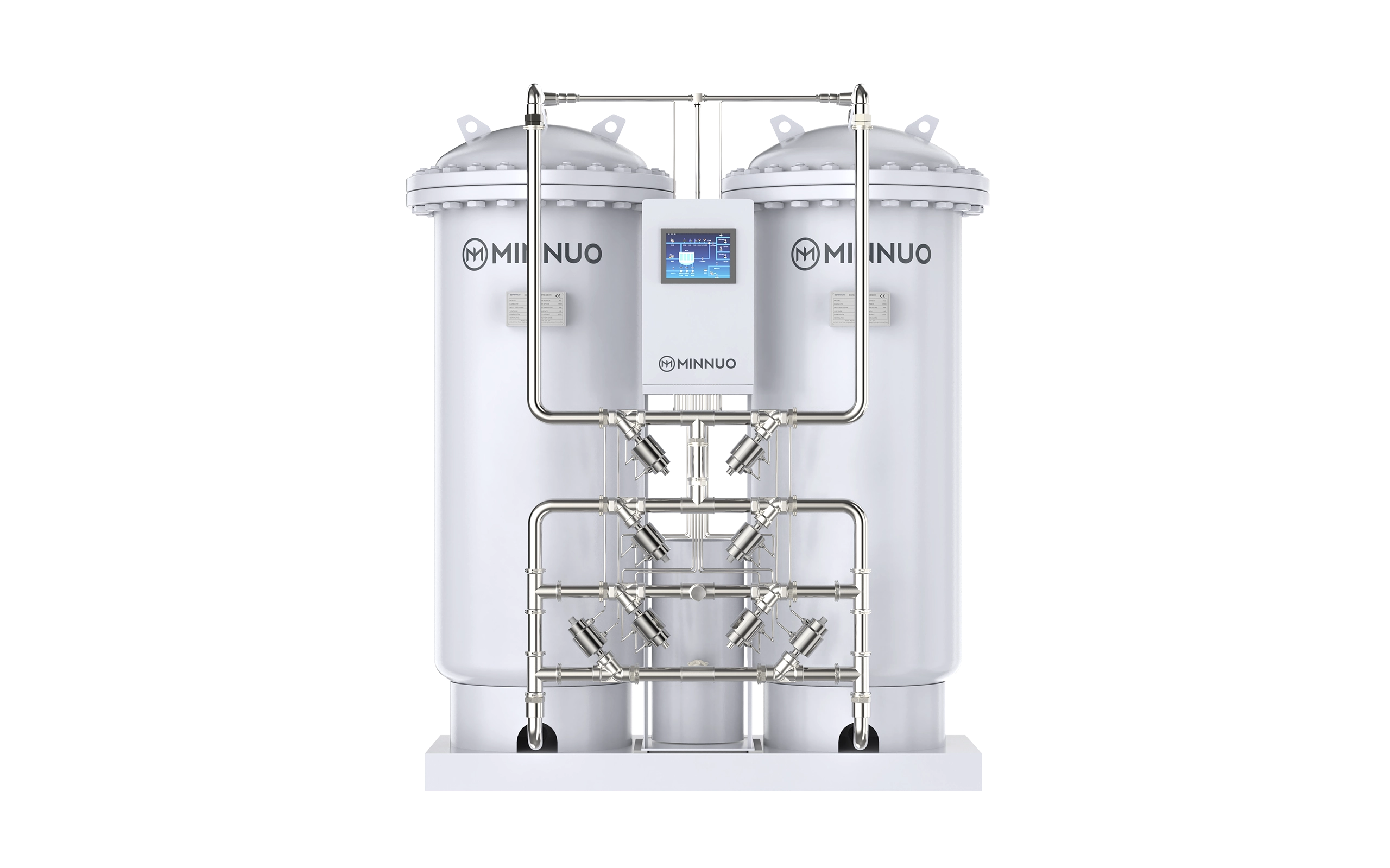
For on-site supply, Pressure Swing Adsorption (PSA) oxygen generators are the standard. They offer a range of purities with different costs.
| Oxygen Purity | Typical PSA Generator Output | Impact on Ozone Generation | Best For |
| 90 – 93% O₂ | Standard, most cost-effective PSA setting. | Dramatic improvement over air. Ozone yield increases by ~3x. Small amount of inert gas (Ar, N₂) may lead to minimal NOx formation at high loads. | Most industrial applications: Pool & spa, cooling tower treatment, mid-size water treatment plants where capital cost is a primary driver. |
| 95 – 96% O₂ | High-efficiency PSA with optimized cycle. | The “sweet spot” for many advanced systems. Maximizes ozone yield per kWh of energy. Minimizes inert gases and associated corrosion risks. | Large-scale water treatment, food processing, wastewater odor control. Where balance of performance, generator longevity, and operating cost is key. |
| >99% O₂ | Requires multi-bed PSA or vacuum systems (VPSA). Very high capital and energy cost. | Marginal gains in ozone yield beyond 96-97%. The primary benefit is the near-total elimination of all non-oxygen molecules, crucial for ultra-pure processes. | Specialized applications: Semiconductor manufacturing, pharmaceutical production, ultra-pure water where any byproduct contamination is unacceptable. |
| Ambient Air (21% O₂) | No oxygen generation needed. | Low ozone concentration output (<3% by weight). High NOx formation, leading to acid corrosion. Lowest capital, highest operating cost per kg of O₃. | Very small-scale or low-budget pilot systems. Not suitable for continuous industrial duty. |
Key Takeaway: For the vast majority of industrial ozone applications, a PSA generator producing 93-95% oxygen provides the optimal balance of performance, system longevity, and total cost of ownership.
The Hidden Cost of Low Purity: System Corrosion & Maintenance
Using low-purity oxygen or air has a hidden long-term cost: nitric acid (HNO₃) formation.
- Process: N₂ + O₂ (in corona) → NOx → NOx + H₂O (in process gas) → HNO₃
- Consequences: Nitric acid attacks stainless steel coolers, piping, and the ozone generator dielectric itself, leading to:
- Pitting and leaks in heat exchangers.
- Degradation of the dielectric, reducing ozone output and increasing energy consumption.
- Frequent, costly component replacement.
A higher-purity oxygen feed prevents this corrosion pathway, dramatically extending the service life of your capital-intensive ozone generator.
Sizing Your Oxygen Supply for Ozone Generation
The required oxygen flow is determined by your ozone generator‘s capacity.
Basic Formula:
Required Oxygen Feed Flow (kg/h or Nm³/h) ≈ Maximum Ozone Production (g/h or kg/h) × 2.5
- The factor ~2.5 accounts for the stoichiometry of the reaction and the fact that not all oxygen is converted (typical conversion rates are 10-15% per pass).
- Example: A 1 kg/h ozone generator requires an oxygen feed capable of delivering ~2.5 Nm³/h of 93-95% O₂.
Critical Integration Point: The oxygen generator and ozone generator must be matched. The PSA unit must deliver gas at a stable pressure and flow rate that meets the ozone cell‘s inlet specifications, typically between 1.2 to 2 bar (17-29 PSI).
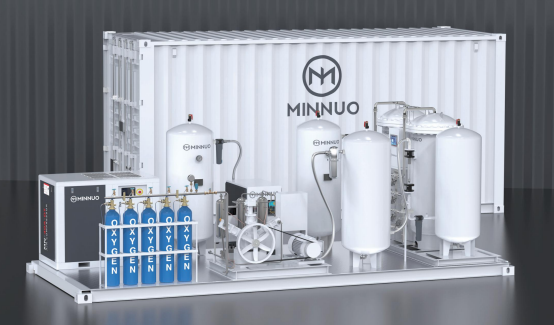
FAQ: Oxygen Supply for Ozone Systems
Q1: Can I use liquid oxygen (LOX) instead of a PSA generator?
A1: Yes, and it’s simpler. LOX provides 99.5%+ purity and is often used for large, peak-demand systems or as a backup. However, for continuous base load, PSA on-site generation is 50-70% cheaper per unit of oxygen over the equipment lifespan due to the high recurring cost of LOX deliveries and evaporation losses.
Q2: Does the oxygen need to be dried?
A2: Absolutely. The feed gas to an ozone generator must have a dew point of -60°C or lower. Moisture in the corona discharge forms hydroxyl radicals, which attack the dielectric and reduce efficiency. Your PSA oxygen generator must include an integrated or downstream desiccant dryer to meet this spec.
Q3: We have an existing air-fed ozone system. Can we retrofit it with an oxygen generator?
A3: In most cases, yes—and it’s a highly effective upgrade. You will see an immediate 2-3x increase in ozone output from the same generator. Crucially, you must consult the ozone generator manufacturer. The higher oxygen concentration changes the gas dielectric properties and cooling requirements; voltage and flow settings may need adjustment.
Q4: How do I monitor the purity from my PSA system?
A4: Install an in-line paramagnetic oxygen analyzer between the PSA and the ozone generator. This provides real-time verification of purity (e.g., 93% ±2%), ensuring consistent ozone production and alerting you to any PSA performance issues before they impact your process.
Conclusion: Purity is a Direct Investment in Performance
Selecting the oxygen purity for your ozone system is a fundamental process design decision. Moving from air to 93%+ oxygen is not just an incremental improvement; it is a step-change in efficiency, output, and system reliability.
For any serious industrial or municipal application, investing in a properly sized PSA oxygen generator delivering 93-95% purity is the most cost-effective path to achieving your treatment goals while minimizing corrosive wear and long-term operating expenses.
Need help specifying an oxygen supply for your ozone application? Contact the MINNUO engineering team with your target ozone production rate and process details. We can help size and recommend the optimal oxygen generation system to ensure your ozone process operates at peak efficiency and reliability.