
Why Oxygen Generators are the “Immediate Solution” for Indonesia’s Steel Decarbonization
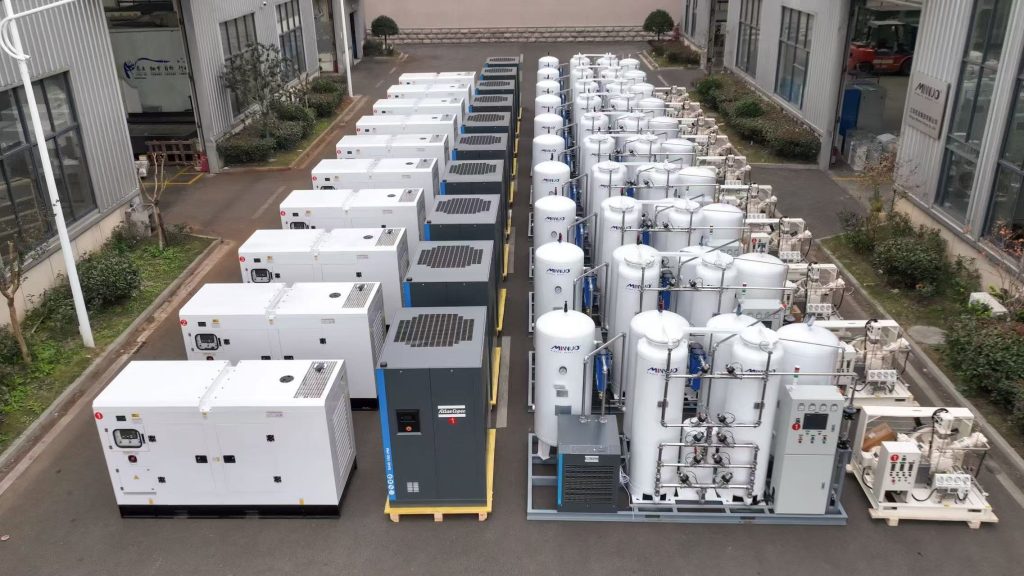
As production and technical leaders in Indonesian steel plants, we must recognize that before Green Hydrogen steelmaking reaches large-scale commercialization, improving the energy efficiency of existing Blast Furnaces (BF) and Electric Arc Furnaces (EAF) through Oxygen Enrichment is the most pragmatic and cost-effective decarbonization path.
Jiangsu Minnuo Liquid Nitrogen Machine: High Efficiency, Energy Saving and Low Noise, Empowering Stable Production in Multiple Fields
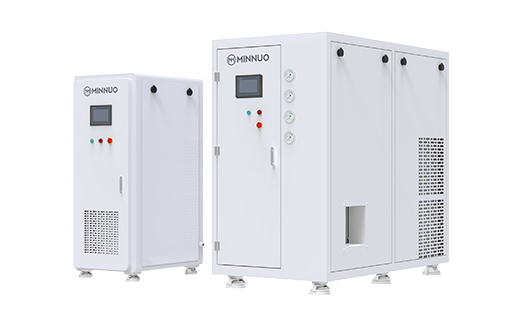
In fields with growing demand for liquid nitrogen such as medical treatment, food, electronics, and biological research, the performance of liquid nitrogen machines directly affects production efficiency, operating costs, and working environments. As a professional manufacturer with over 30 years of experience in air separation and pressure swing adsorption (PSA) technology, Jiangsu Minnuo has created […]
PSA, VPSA vs. Cryogenic ASU Field Comparison: Selection Guide for the Indonesian Steel Industry Based on the CELIOS 2025 Report
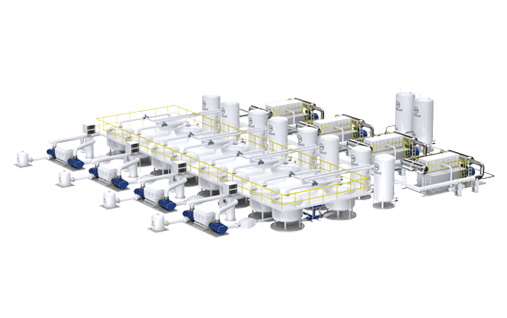
A strategic guide for the Indonesian steel industry comparing PSA, VPSA, and Cryogenic oxygen technologies. Based on the CELIOS 2025 report, it highlights why VPSA technology is the optimal choice for mid-sized mills and RKEF plants to lower energy costs and meet EU-CBAM carbon standards in a tropical, archipelagic climate.
The Silent Killer of Your Nitrogen Generator: It’s Not the Sieve, It’s Your Air
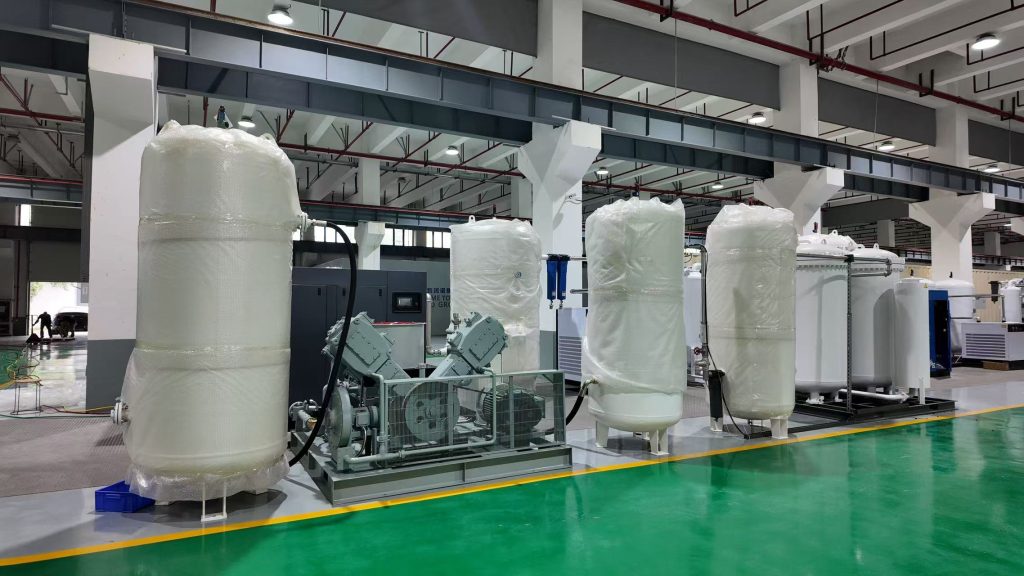
You’ve invested in a state-of-the-art Pressure Swing Adsorption (PSA) nitrogen or oxygen generator. You follow the maintenance schedule, yet purity declines, energy use creeps up, and you face an expensive molecular sieve change years ahead of schedule. The instinct is to blame the generator or the sieve itself. But in the vast majority of cases, […]
PSA, VPSA, or Cryogenic ASU? A “Guide” to Oxygen Plant Selection for Indonesian Steel Mills
Comprehensive guide on choosing Oxygen Plants (VPSA vs. Cryogenic) for Indonesian steel mills. Compare OPEX, energy savings, and logistics challenges in Indonesia’s tropical climate.
Limited Space in Small Workshops? Compact Screw Air Compressors Save 30% Floor Space Without Sacrificing Air Output Efficiency

Introduction: The Space Dilemma Facing Small Workshops For small workshops across Europe, North America, Southeast Asia, and other regions, space is more than just a commodity—it’s a critical constraint that directly impacts productivity, operational flexibility, and profitability. Whether you run a boutique woodworking studio in Germany, a precision metalworking shop in the U.S., an electronics […]
Industry Insider: A Reform Guide for the Indonesian Steel Industry Amid the CBAM Wave
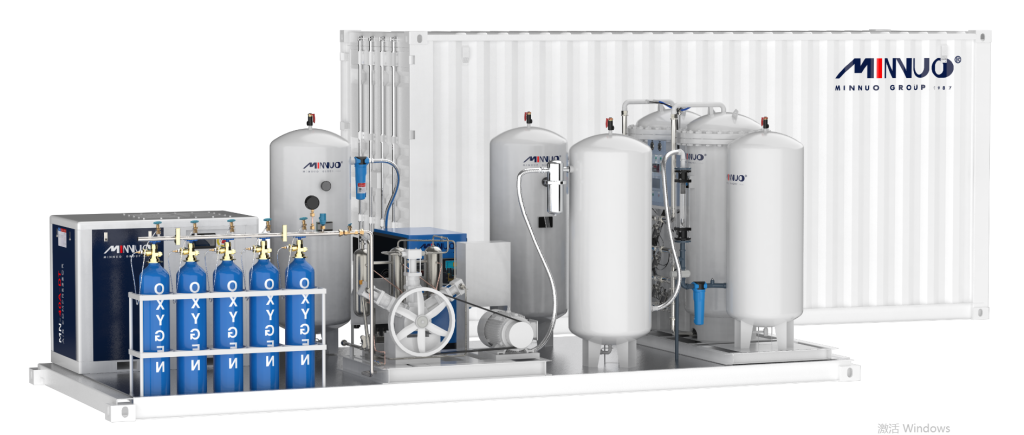
Today, I’m not talking about hydrogen metallurgy, which is still a decade away. Let’s talk about something deployable now—Oxygen Enrichment Technology. This is the most practical means available to achieve a 5-10% emission reduction and significantly lower coke costs without dismantling furnaces or halting production.
Carbon Molecular Sieve (CMS) for PSA Nitrogen Generators: Selection, Lifecycle & Cost Impact
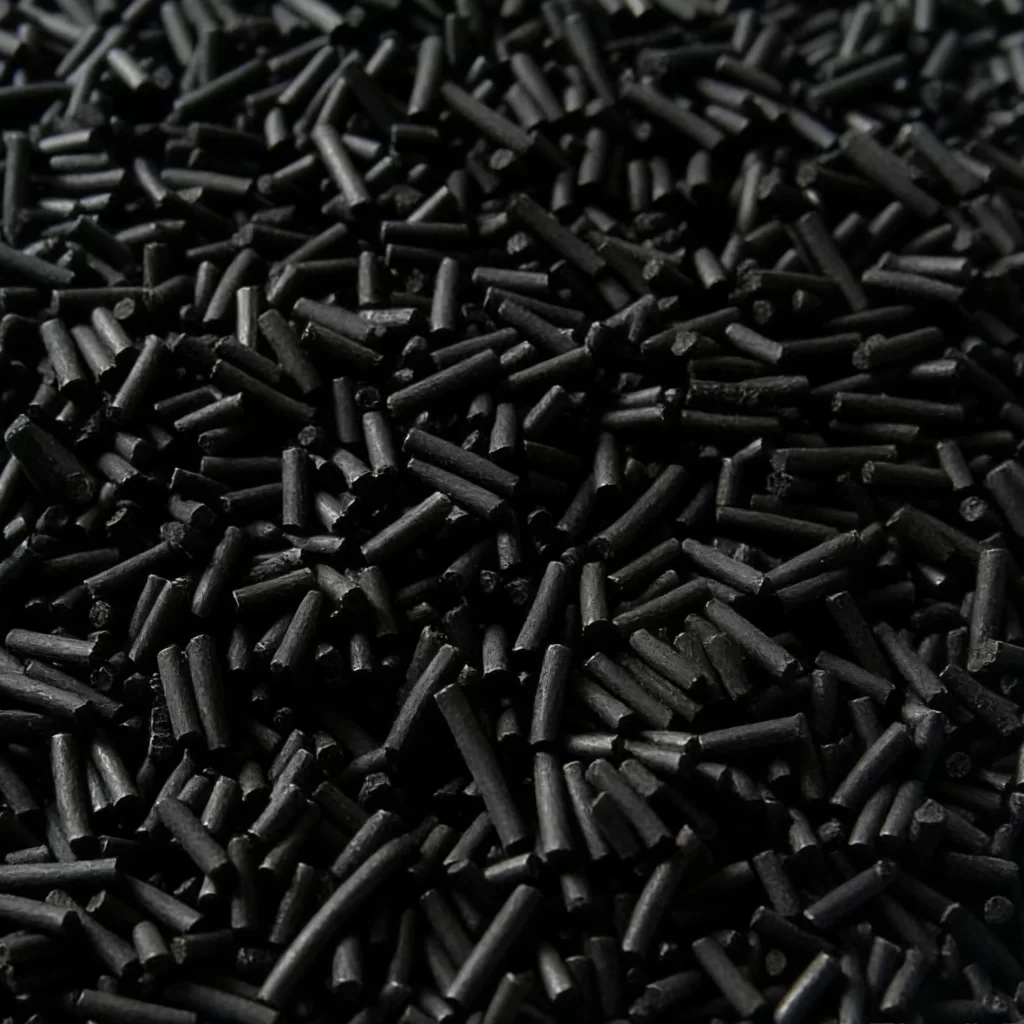
The Carbon Molecular Sieve (CMS) is not a consumable; it is the core engine of your Pressure Swing Adsorption (PSA) nitrogen generator. While compressors and valves capture attention, the CMS silently dictates your system’s output purity, flow capacity, energy efficiency, and long-term operating costs. Choosing the wrong CMS or neglecting its condition leads to a […]
How Oxygen Enrichment Empowers Indonesian Steel Mills: A Deep Dive into Achieving 5-10% Carbon Reduction
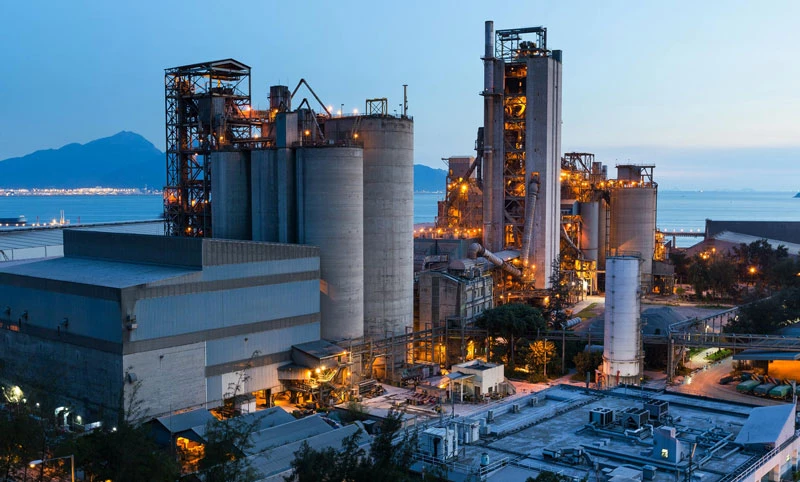
With the release of the CELIOS (2025) research report, the Indonesian steel industry has reached a decisive turning point in its transition from “high-carbon dependence” to “green and low-carbon” operations.
Minnuo Nitrogen Generator: Safety and Quality in Biodiesel Plants
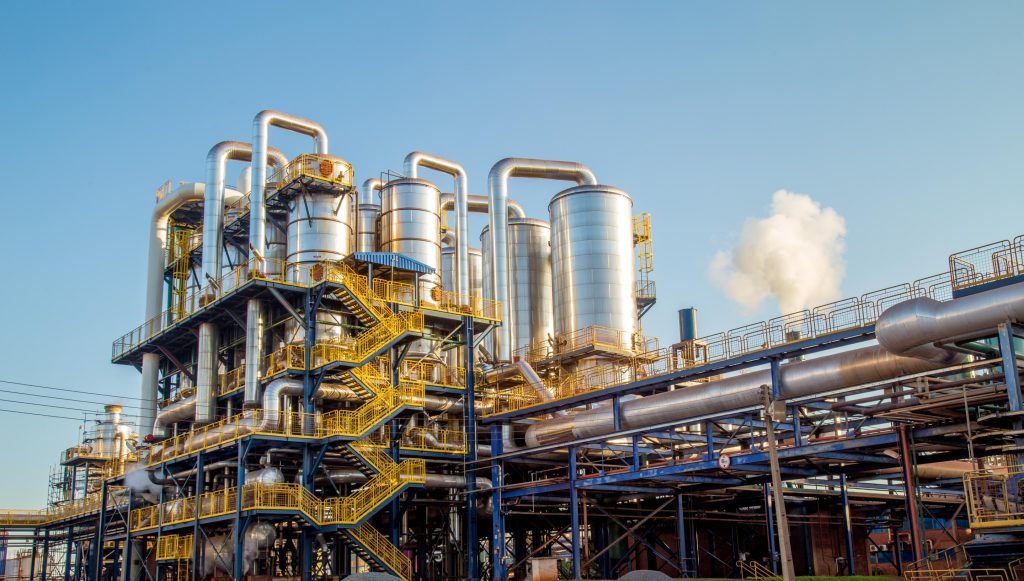
I. Why Biodiesel Plants Cannot Do Without Professional Nitrogen Generators? — A Full-Process Necessity from Production to Storage Raw materials (animal and vegetable oils), intermediates (fatty acid methyl esters), and finished products of biodiesel are prone to oxidation when exposed to oxygen, leading to increased acid value, darker color, quality deterioration, and even safety risks. […]

 sales2:+86 17506119168