
Executive Summary
This article provides an objective technical analysis of the oxygen generator for desulfurization in biogas. Our goal is to provide decision-makers—including biogas plant operators, wastewater treatment managers, and agricultural waste engineers—with transparent data and risk assessments. This guide focuses on reducing investment risks and calculating real-world Return on Investment (ROI) rather than serving as mere promotional material.
The Bottom Line:
Integrating a PSA (Pressure Swing Adsorption) oxygen generator into biological desulfurization systems reduces methane dilution by nitrogen by over 90% compared to traditional air-injection methods. This significantly preserves the Lower Heating Value (LHV) of the biogas. While the initial CAPEX is higher than simple air pumps, the increased power generation efficiency and reduced purification costs typically lead to a full payback within 12 to 24 months.
Deep Analysis: Benchmarks of Oxygen Generators for Desulfurization in Biogas
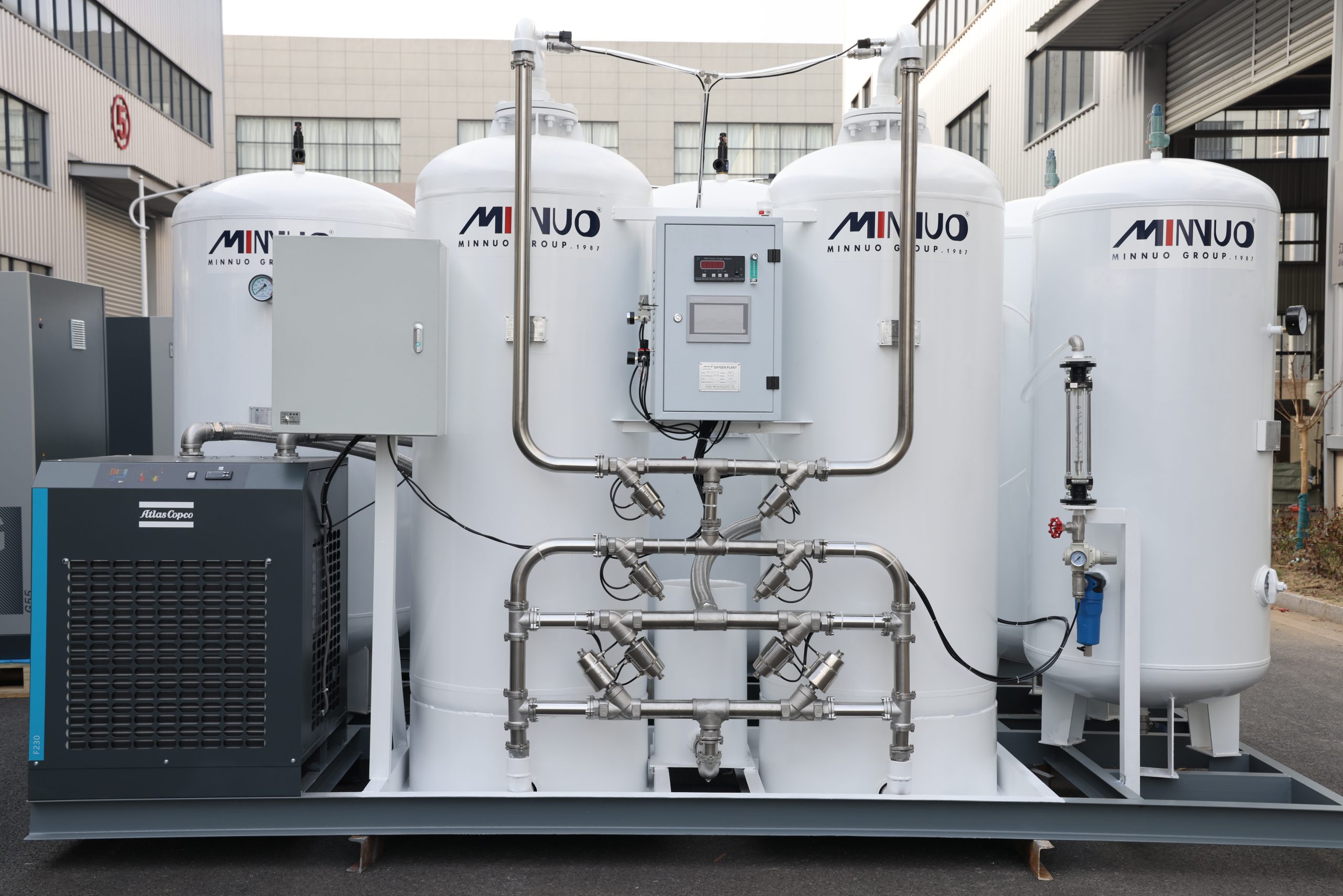
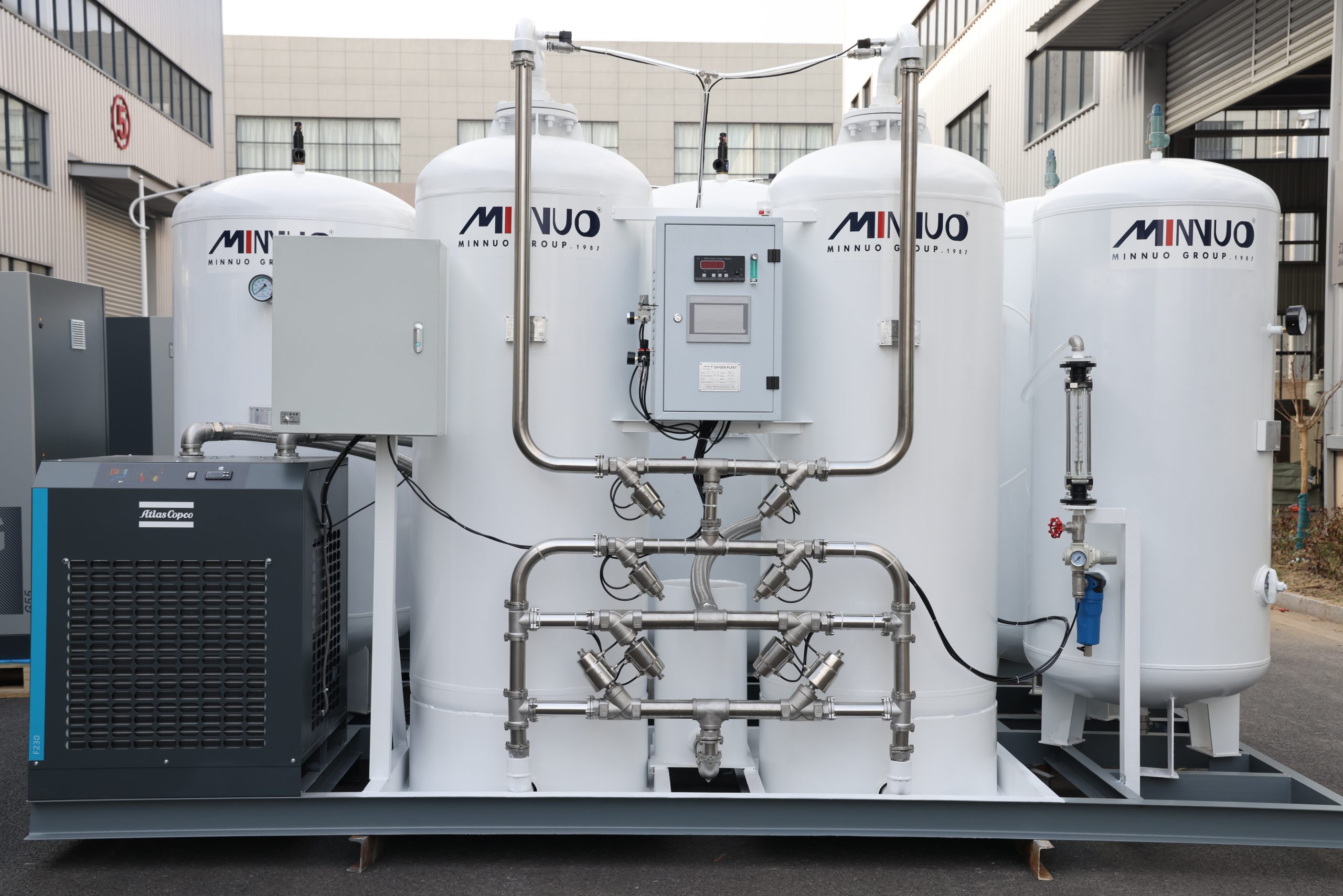
An oxygen generator for desulfurization in biogas is specialized equipment that utilizes PSA technology to extract high-purity oxygen (typically 90%–95%) from the atmosphere and inject it precisely into the desulfurization system. This provides the necessary electron acceptor for sulfur-oxidizing bacteria (such as Thiobacillus) while preventing the introduction of inert nitrogen.
Comparison of Desulfurization Oxygen Supply Methods
Based on system scale and purity requirements, the current market solutions are categorized below:
| Dimension | Air Injection (Traditional) | Bottled Oxygen (Outsourced) | PSA Oxygen Generator (On-site) |
|---|---|---|---|
| Biogas Quality | Poor (High nitrogen, low BTU) | Excellent (No nitrogen) | Excellent (High purity, stable BTU) |
| Operating Cost (OPEX) | Extremely Low (Electricity only) | Extremely High (Gas price + logistics) | Low (Maintenance + minimal power) |
| Automation | Manual/Semi-auto | Frequent cylinder changes | Fully Auto / Remote Monitoring |
| Safety | Difficult to control levels | High-pressure storage risks | Low pressure, On-demand, Safe |
| Suitability | Micro-scale rural digesters | Lab / Small-scale testing | Mid-to-Large CHP / RNG Projects |
Decision Guide: Key Variables Influencing Cost and Results
Selecting the right oxygen generator for desulfurization in biogas requires looking beyond simple flow rates. The following technical variables determine long-term stability:
Technical Nuances for Success
- The Purity Sweet Spot: Biological desulfurization typically requires oxygen purity above 90%. Lower purity defeats the purpose (introducing nitrogen), while pursuing 99%+ purity exponentially increases molecular sieve costs without added benefit for the bacteria.
- Micro-Injection Precision: The oxygen-to-methane ratio must be strictly maintained below the explosive limit (usually keeping oxygen in the biogas below 1%). High-quality generators must include precision flow meters and inline oxygen analyzers.
Common Pitfalls & Hidden Costs
- Ignoring Gas Moisture: Biogas environments are saturated. If the oxygen injection line lacks backflow prevention and anti-clogging designs, sulfur crystallization can quickly destroy injection valves.
- Underestimating Maintenance: The air compressor is the “heart” of the PSA system. Using low-quality compressors leads to oil contamination of the Zeolite Molecular Sieve (ZMS), which results in permanent failure and expensive replacement.
Expert FAQ (Q&A)
Q1: How do I calculate the required oxygen flow for desulfurization?
A: Theoretically, the stoichiometric ratio is . However, in practical applications, to maintain biological activity and handle load fluctuations, we recommend a safety range of or .
Q2: Is higher output pressure better for the oxygen generator?
A: Not necessarily. Biogas pipelines are usually low-pressure systems (<50kPa). The oxygen generator’s output pressure only needs to be slightly higher than the pipeline pressure. Excessive pressure wastes energy and requires additional pressure-reducing valves.
Q3: What is the typical lifespan of the PSA molecular sieve?
A: Provided that the inlet air quality is strictly maintained (free of oil and moisture), industrial-grade molecular sieves typically last 8 to 10 years.
Industry Scenarios and ROI Analysis
We recommend the following configurations based on user requirements:
- Scenario A: Medium-sized Livestock Farm (Flow < 100 )
- Recommendation: Small integrated PSA oxygen generator, mobile design.
- ROI Focus: Reducing corrosion on CHP engines, extending oil change intervals by up to 50%.
- Scenario B: Municipal WWTP or RNG Upgrading (Flow > 500 )
- Recommendation: Skid-mounted modular oxygen station with redundancy (1+1 backup).
- ROI Focus: Maximizing biogas caloric value. If upgrading to Renewable Natural Gas (RNG) for grid injection, high-purity oxygen is the only economically viable path.
Conclusion
The oxygen generator for desulfurization in biogas is a critical component for maximizing the value of biogas resources. By precisely controlling oxygen injection, you can reduce levels to below 50ppm while ensuring the biogas retains its high-energy properties.
Next Step Recommendations:
- Audit Your Demand: Measure your average concentration and peak flow rates.
- Gas Quality Check: Identify other impurities (like siloxanes) that might interfere with the desulfurization process.
- Consult an Expert: Request a customized “Oxygen Injection & Power Consumption Assessment” based on your site parameters.
Author Bio
[Senior Gas Separation Specialist], with 15 years of experience in industrial gas separation and PSA technology. Having led gas system designs for over 50 biogas projects, I focus on promoting low-carbon, high-efficiency on-site oxygen solutions.

 sales2:+86 17506119168