
Executive Summary
We are committed to eliminating information asymmetry by providing evaluation standards for PSA oxygen generation systems based on practical engineering experience. This guide helps decision-makers shift their focus from “Initial Investment Only” to a “Total Life-Cycle Cost” assessment.
The Bottom Line:
A PSA Oxygen Plant is the most economical and reliable solution for on-site oxygen supply in small to medium scales. For applications requiring a purity of 93% ± 3%, the cost is typically only 30%–50% of liquid oxygen procurement. The key to a successful project lies not in the main unit itself, but in the stability of the air source system and the quality of the adsorbent (molecular sieve).
Deep Dive: PSA Oxygen Plant Status & Benchmarks
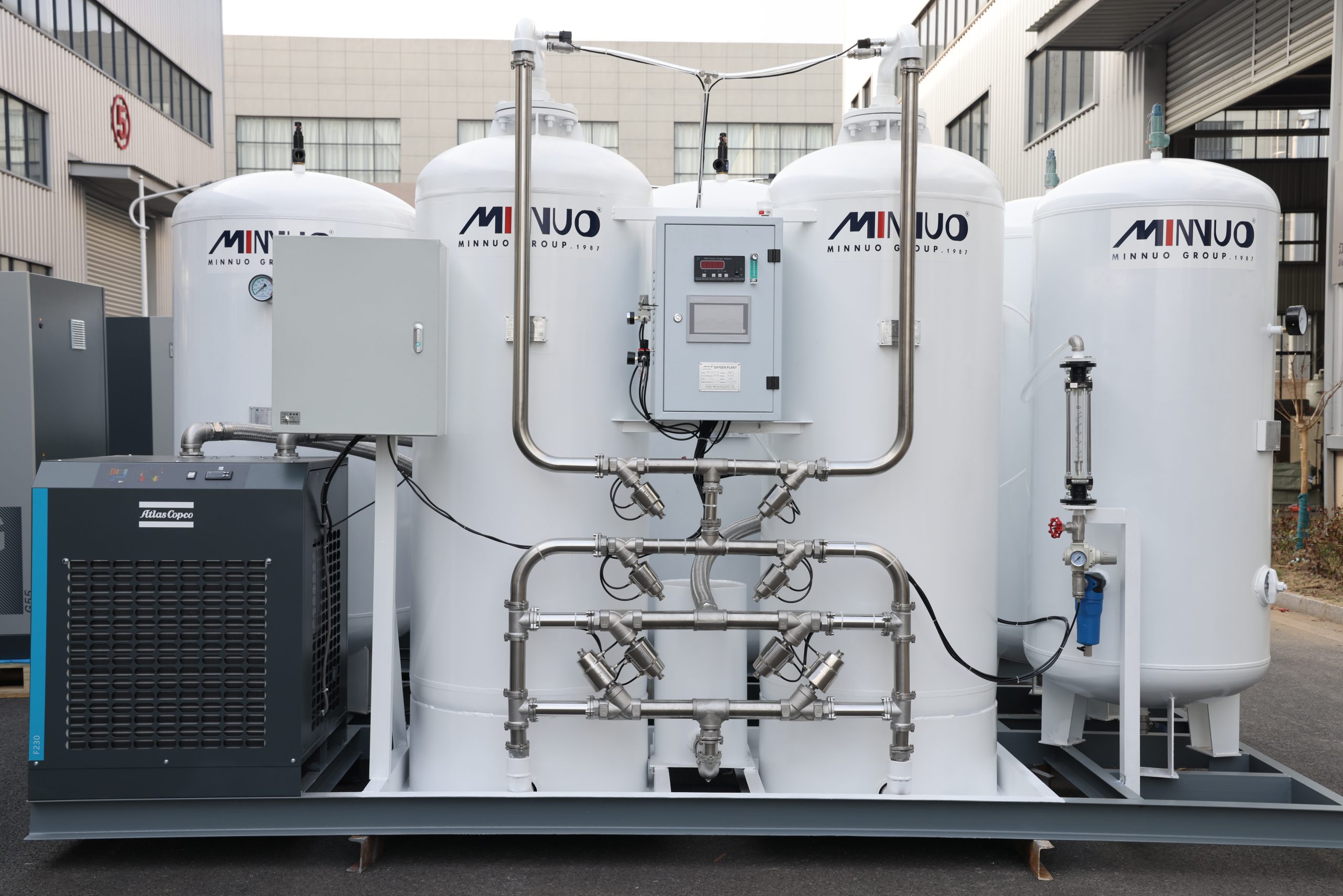
A PSA Oxygen Plant is an automated system that separates oxygen directly from the air by utilizing the preferential adsorption of nitrogen by molecular sieves through a cycle of pressurized adsorption and depressurized desorption.
Based on application scale and purity requirements, mainstream market solutions are generally categorized into the following three tiers:
Core Parameters & Solution Comparison Table
| Dimension | Entry-Level (Economy) | Mid-Tier (Mainstream Standard) | High-End (Medical/Specialty) |
|---|---|---|---|
| Typical O2 Purity | 90% – 92% | 93% ± 2% | 95% – 95.5% (Max Limit) |
| Control System | Basic PLC | Touchscreen + Remote Diagnostics | Integrated Smart Mgmt + O2 Interlock |
| Core Configuration | Domestic Sieve / Carbon Steel Valves | Imported Sieve / Stainless Valves | Top-tier Adsorbent / SMC/Burkert Components |
| Estimated Lifespan | 5 – 8 Years | 10 – 15 Years | 15+ Years |
| Recommended Use | Wastewater, Small Aquaculture | SME Hospitals, Metal Welding | Major Hospitals, High-Altitude Support |
Decision Guide: Key Variables Affecting Cost and Performance
Choosing a PSA Oxygen Plant is essentially finding the equilibrium between Energy Efficiency Ratio (Air-to-Oxygen Ratio) and Long-term Stability.
Critical Technical Variables
- Air-to-Oxygen Ratio: This is the primary indicator of operating costs. Typically, producing of oxygen requires of compressed air. A lower ratio means a smaller required air compressor power, resulting in lower electricity bills.
- Molecular Sieve Compaction Technology: If the molecular sieve is not packed tightly, it will undergo “pulverization” under the impact of high-speed airflow, leading to a drastic performance drop. Ensure the equipment utilizes mechanical clamping or airbag compaction devices.
Common Pitfalls & Hidden Costs
- Ignoring Air Pre-treatment: 90% of PSA failures stem from moisture or oil contamination of the molecular sieve. If you are in a high-humidity region, a refrigerated dryer or even a desiccant dryer is mandatory.
- Underestimating Maintenance Costs: Many manufacturers fail to mention the replacement cycles for air filters, silencers, and pneumatic valve seals. The cumulative cost of these “wear parts” over 3–5 years is significant.
- Noise Pollution: PSA systems generate exhaust noise during process switching. If the plant room is near offices or wards, the selection of the silencer system is critical.
Expert Q&A
Q1: Can PSA-generated oxygen purity reach above 99%?
A: Standard PSA technology reaches a maximum stable purity of approximately 95.5%. If 99%+ purity is required, a secondary purification unit (such as hydrogen deoxidation or a modified VPSA system) is usually necessary, which significantly increases investment costs.
Q2: Why is my oxygen plant’s output decreasing over time?
A: The two most common reasons are: 1. Failure of the front-end air filters leading to “oil poisoning” of the molecular sieve; 2. Internal leakage in pneumatic valves preventing complete pressure equalization in the adsorption towers. We recommend regular dew point monitoring.
Q3: Can PSA systems work in extreme high-altitude areas?
A: Yes, but “Altitude Correction” is mandatory. For every 1,000-meter increase in altitude, air density drops, affecting both air compressor displacement and PSA separation efficiency. System sizing must be scaled up accordingly.
Industry Applications & ROI Analysis
- Medical Sector (Small to Medium Hospitals):
- Suggestion: Implement a “Dual-Unit Backup” configuration to ensure 24/7 uninterrupted supply.
- ROI: Compared to cylinder oxygen, the investment is typically recovered within 18–24 months.
- Industrial Cutting & Welding:
- Suggestion: Focus on purity stability. Due to harsh environments, the air filtration system grade must be enhanced.
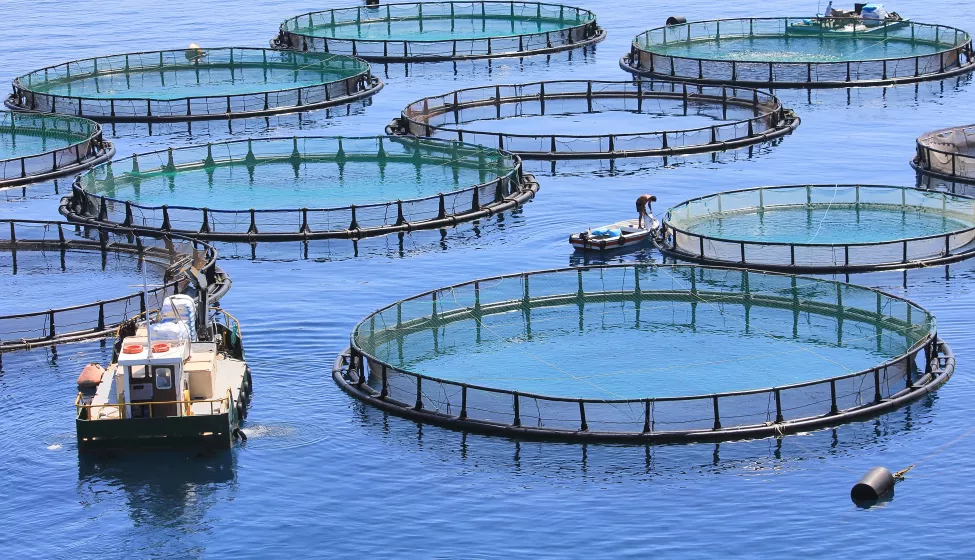
- Aquaculture & Ozone Generation:
- Suggestion: Prioritize ultra-low energy consumption. In these low-pressure scenarios, VPSA (Vacuum Pressure Swing Adsorption) may offer better long-term cost advantages than standard PSA.
Conclusion
The PSA Oxygen Plant is currently the optimal technical path for oxygen self-sufficiency. When selecting a system, prioritize molecular sieve lifespan, air-to-oxygen efficiency, and a robust after-sales inspection system. A superior oxygen system should not be a static piece of machinery, but a “dynamic asset” that delivers stable output as your capacity needs grow.
Recommended Next Steps:
- Audit Your Demand: Calculate your peak monthly oxygen consumption over the past 12 months.
- Environment Assessment: Measure the temperature and humidity of the intended plant room.
- Get a Professional Proposal: For customized configurations targeting specific altitudes or working conditions, consult a certified system integration engineer.
Author Bio
Senior Gas Separation Engineer
With over 15 years of experience in PSA and VPSA system design, I have led more than 50 international industrial and medical oxygen supply projects. Expert in fluid dynamics simulation and energy audits, I am dedicated to promoting sustainable, high-efficiency gas separation solutions.

 sales2:+86 17506119168