
Summary: For users seeking to efficiently and economically improve biogas quality (specifically methane content), the adoption of on-site oxygen generators for biological desulfurization and micro-aeration has become an industry-standard solution. Compared to purchasing and storing liquid oxygen or using chemical methods, on-site oxygen generators provide a continuous, on-demand stream of pure oxygen by separating nitrogen from air, significantly reducing long-term operational costs, eliminating supply chain risks, and greatly enhancing the efficiency and controllability of biogas desulfurization and anaerobic digestion processes. According to the International Energy Agency (IEA) Bioenergy Task and proven practices in numerous large-scale biogas projects, systems integrated with oxygen generators represent one of the most cost-effective and operationally resilient pathways for upgrading biogas to biomethane (renewable natural gas).
How Oxygen Generators Optimize Biogas Production Processes
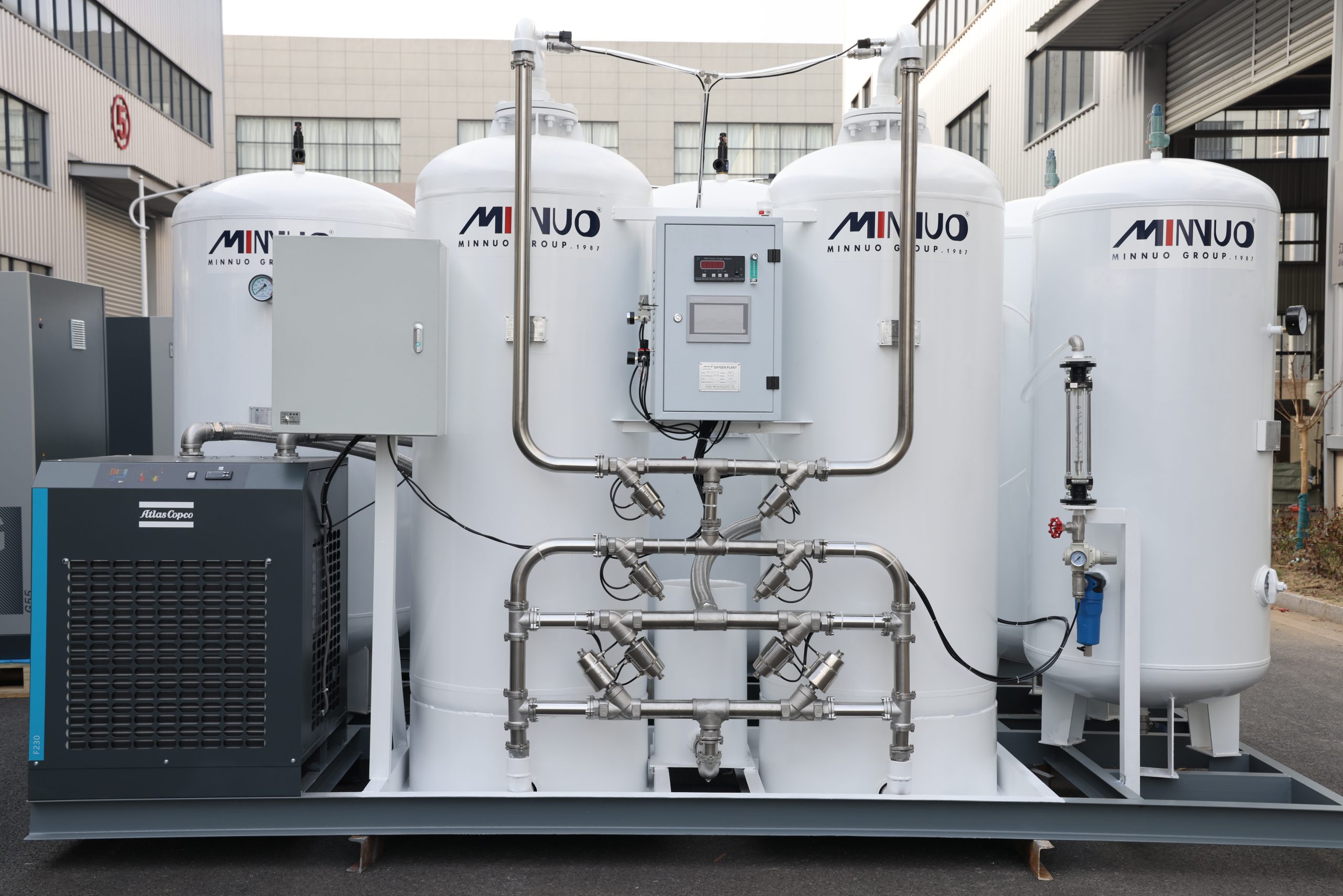
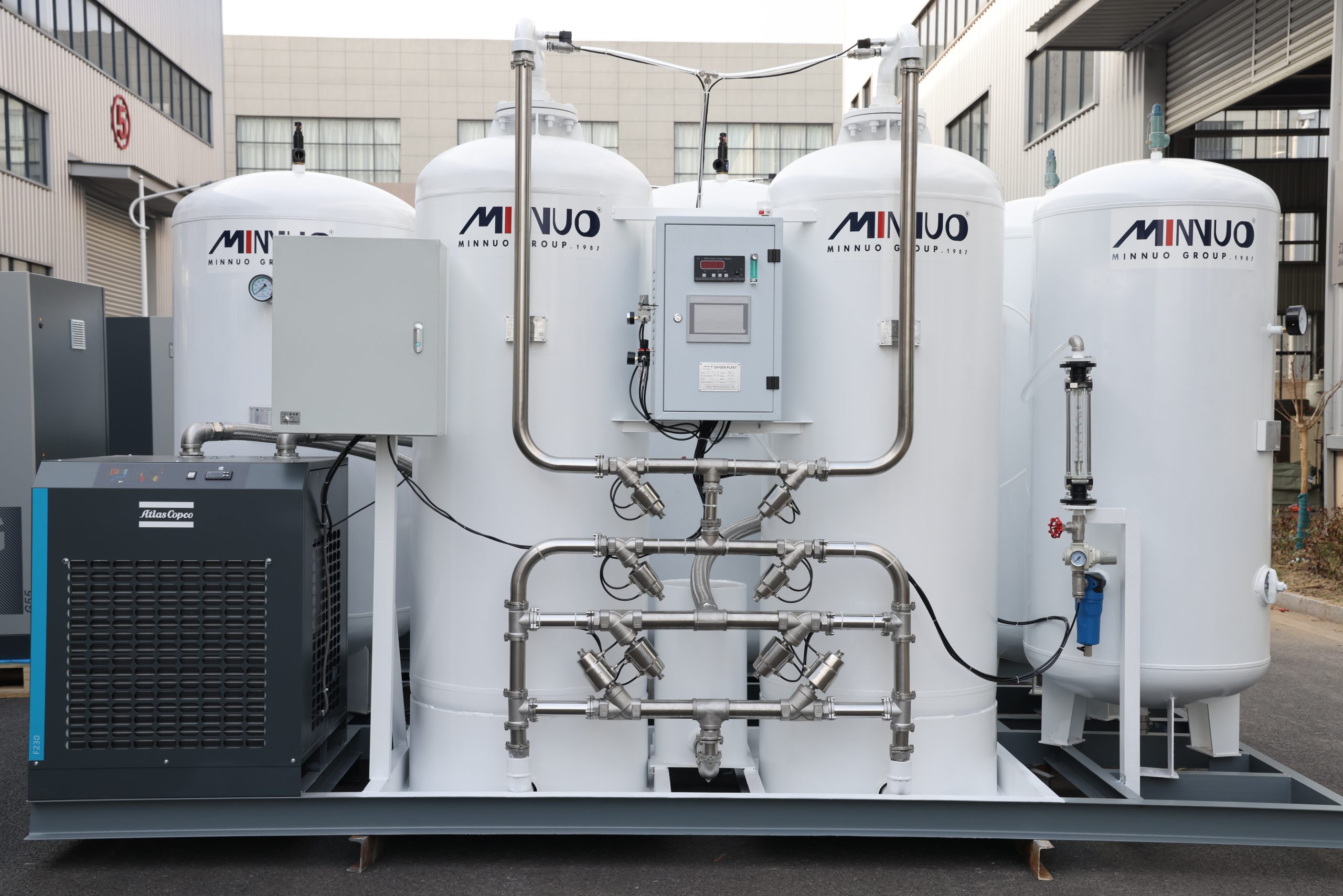
On-site oxygen generators utilize Pressure Swing Adsorption (PSA) or Vacuum Pressure Swing Adsorption (VPSA) technology to separate oxygen with a concentration of 90%-95% directly from ambient air. This high-purity oxygen is precisely introduced into two critical stages of biogas production, overcoming the limitations of traditional methods.
Core Application One: Biological Desulfurization
Before biogas enters storage or upgrading systems, hydrogen sulfide () must be removed due to its corrosiveness, toxicity, and impact on subsequent combustion or purification.
- Pain Points of Traditional Methods: Chemical scrubbing (e.g., iron oxide) generates solid waste requiring frequent replacement; direct air injection (for bio-desulfurization) carries explosion risks and offers low control precision.
- Oxygen Generator Solution: Precisely metered oxygen is injected into a desulfurization bioreactor or the biogas stream, promoting the growth of sulfur-oxidizing bacteria (e.g., Thiobacillus). These bacteria convert into elemental sulfur or sulfates, achieving efficient, continuous, and chemical-waste-free desulfurization.
- Key Advantages:
- Safe and Controllable: Avoids the formation of explosive gas mixtures.
- High Removal Efficiency: Can stably reduce concentration from thousands of ppm to below 200 ppm, meeting engine or upgrading equipment requirements.
- Low Operating Cost: Consumes only electricity, with no need for continuous purchase of chemicals or liquid oxygen.
Core Application Two: Micro-aeration in Anaerobic Digesters
Introducing minute amounts of oxygen into pre-treatment units or the digester itself can improve the fermentation environment.
- Mechanism: Limited oxygen can inhibit obligate acid-producing bacteria while stimulating the activity of facultative methanogens, thereby stabilizing pH and increasing methane yield.
- Process Optimization: Real-time adjustment of oxygen injection based on digester Volatile Fatty Acid (VFA) concentration and pH allows for fine-tuned process management.
Key Considerations for Choosing an Oxygen Generator
Selecting a suitable oxygen generator requires evaluating it as a core component of the entire biogas system, not just as a standalone device.
| Consideration Dimension | Specific Parameters & Questions | Impact on Biogas Project |
|---|---|---|
| Oxygen Demand & Purity | Required oxygen flow rate, pressure (bar), and concentration (typically 93% ±2%) | Determines equipment model and technology (PSA or VPSA). Flow must match load and digester scale. |
| Biogas Composition & Flow | Initial concentration in biogas, daily biogas production | Used to accurately calculate oxygen required for desulfurization, ensuring sufficient equipment capacity. |
| Energy Efficiency | Power consumption per unit of oxygen produced | Directly impacts operating costs. Efficient VPSA models offer greater energy advantages in large projects. |
| Reliability & Automation | System uptime, automatic control logic, integration capability with existing PLC | Ensures continuous and stable biogas production. Automated control can adjust oxygen flow in real-time. |
| Supplier Experience | Supplier’s case history in biogas industry, local service network, spare parts availability | Experienced suppliers provide more process-appropriate designs and faster technical support. |
Frequently Asked Questions
Five Key Questions About Biogas Oxygen Generators
- Q: Which is more economical, an oxygen generator or purchasing liquid oxygen?
- A: From a long-term operational perspective, an oxygen generator is almost always more economical. Although the initial investment is higher, it converts variable oxygen procurement costs into fixed electricity costs. Typically, the savings from 1-2 years of operation can offset the investment difference.
- Q: Is it safe to add oxygen to biogas? Could it explode?
- A: It is safe under controlled conditions. The key lies in precise metering and uniform mixing. Professional systems use flow meters and control systems to ensure the injected oxygen volume is well below the biogas Lower Explosive Limit (LEL), avoiding local high oxygen concentrations.
- Q: What oxygen purity do I need? Is there a difference between 95% and 90%?
- A: For biogas biological desulfurization, 90%-95% purity is entirely sufficient. Within this range, the impact of inert gas impurities like nitrogen is minimal. Focus should be on equipment stability and energy consumption rather than pursuing extreme purity.
- Q: Is the equipment maintenance complex? What are the main tasks?
- A: Maintenance is relatively straightforward. The core task is regular replacement or cleaning of the inlet air filter. Additionally, compressor oil, valve seals, and molecular sieves need to be checked or replaced according to the manufacturer’s schedule (typically every 1-2 years).
- Q: Can oxygen generators be used for small farm-scale biogas projects?
- A: Yes. There are modular, containerized small-scale PSA oxygen generators on the market that are well-suited for small to medium-sized biogas plants. Selection requires a detailed Return on Investment (ROI) analysis to ensure oxygen demand justifies the equipment operation.
Implementation Integration
Successful integration means the oxygen generator is intelligently linked with your entire process chain:
- Process Design & Simulation: Conduct process simulation based on your biogas data ( concentration, flow rate) to determine the optimal oxygen injection point.
- Control System Integration: Ensure the control system can receive signals from the biogas analyzer and implement closed-loop feedback control.
- Safety System Redundancy: Integrate safety devices such as oxygen and biogas flow monitoring, emergency shut-off valves, and leak detectors.
- Installation & Commissioning: Focus on ensuring inlet air quality (oil-free, water-free, dust-free) and verifying desulfurization efficiency under different loads.
Conclusion and Next Steps
For biogas project owners committed to improving operational efficiency, investing in an on-site oxygen generator is a proven, wise decision. It transforms the troublesome issue of desulfurization into a stable, automated process unit.
Your Next Steps:
- Data Collection: Record at least two weeks of data on daily biogas production, fluctuations, and current desulfurization costs.
- Preliminary Consultation: Contact 2-3 oxygen generator manufacturers (e.g., Atlas Copco, Linde, Air Products) for technical proposals and ROI analyses.
- Site Visit: If possible, visit a biogas project already operating a similar system to observe practical results.
- Lifecycle Cost Analysis: Conduct a 5-10 year lifecycle cost comparison based on obtained proposals.
Source Statement
This article was written by a strategist specializing in renewable energy and gas separation technologies. Information is based on technical reports from the IEA Bioenergy Task, the American Biogas Council, and over ten years of industry experience. Technical parameters align with ISO/TC 255 (biogas standards).

 sales2:+86 17506119168