
In laser cutting, the assist gas is not just a coolant—it’s a critical process parameter that determines cut quality, speed, and cost. For cutting non-ferrous metals and stainless steel, high-purity nitrogen has become the industry standard to achieve clean, oxide-free edges.
However, the decision between bottled nitrogen, bulk liquid supply, and an on-site nitrogen generator involves balancing cut quality requirements against gas costs, which can constitute up to 70% of a laser’s operating expense. This guide breaks down how nitrogen purity and pressure directly impact your results and provides a framework for making the most cost-effective choice.
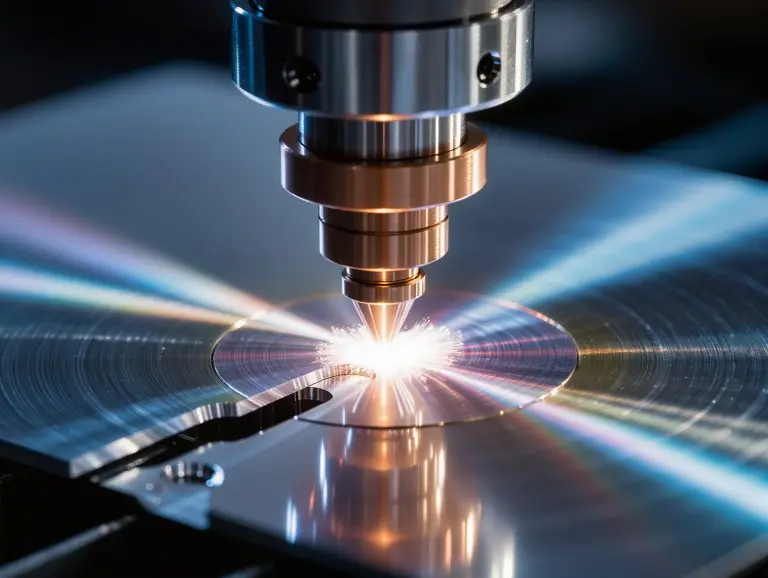
The Role of Nitrogen in Laser Cutting: Beyond Cooling
When focused laser energy melts the metal, nitrogen is injected at high pressure to:
- Expel Molten Material: Blow the molten metal out of the kerf to create the cut.
- Create an Inert Atmosphere: Shield the freshly cut, high-temperature edge from reacting with oxygen in the air, preventing oxide formation.
The success of these two functions depends on two key gas specifications: Purity (%) and Pressure (Bar/PSI).
Part 1: How Nitrogen Purity Dictates Cut Quality & Applications
Purity is the percentage of nitrogen in the gas stream, with the remainder typically being oxygen and argon. Even small amounts of oxygen cause oxidation.
| Nitrogen Purity | Typical Oxygen Content | Best For & Result | Visual & Functional Outcome |
| 99.5% (Grade 4.5) | ~0.5% (5000 ppm O₂) | Carbon Steel (Mild Steel) with oxygen as assist gas. Not recommended for oxidation-sensitive cuts. | Will cause a visible oxidation layer (heat tint) on stainless and aluminum—colors ranging from straw yellow to blue. Edge is contaminated. |
| 99.9% (Grade 4.0) | ~0.1% (1000 ppm O₂) | Good for many stainless steel applications (≤ 8mm). A cost-effective balance for parts that will be post-processed (welded, polished). | Very light, often acceptable oxidation. Edge may show a faint golden hue. Weldable with proper cleaning. |
| 99.95% (Grade 3.5) | ~0.05% (500 ppm O₂) | The standard for high-quality stainless steel cutting (up to 15-20mm). Required for parts where the cut edge is the final surface. | Bright, oxide-free (white) edge. No discoloration. Ideal for architectural, food-grade, and medical components. |
| 99.99%+ (Grade 3.0) | <0.01% (<100 ppm O₂) | Essential for reactive metals (Aluminum, Titanium, Copper Alloys). Used for high-reflectivity metals and ultra-thick stainless cutting (>20mm). | Perfectly bright, metallic edge. Maximizes cutting speed for aluminum by preventing the formation of a viscous aluminum oxide layer that impedes the cut. |
Key Takeaway: For stainless steel and aluminum, you typically need at least 99.9% purity, with 99.95% or higher being the professional standard for a clean, weld-ready, oxide-free edge.
Part 2: How Pressure Affects Cutting Performance & Speed
Gas pressure must be matched to material type and thickness.
- Function: Higher pressure improves molten metal expulsion, allowing for faster cutting speeds and cleaner cuts in thicker materials.
- Typical Range:
- Stainless Steel (1-10mm): 12-18 bar (175-260 PSI)
- Stainless Steel (10-25mm): 18-25 bar (260-360 PSI)
- Aluminum (1-10mm): 14-20 bar (200-290 PSI) – often requires higher pressure than equivalent thickness stainless due to its higher thermal conductivity and reflectivity.
Critical System Requirement: Your entire gas delivery system—from the source to the laser cutter nozzle—must be capable of maintaining this stable, high pressure. Pressure drops due to undersized piping or regulators will directly reduce cut quality and speed.
The Cost Equation: Bottled/Bulk vs. On-Site Generation
This is where the financial decision becomes clear.
| Gas Supply Method | Pros | Cons | Best For |
| Nitrogen Cylinders | Simple, no upfront equipment cost. | Extremely high cost per cubic meter. Frequent changeovers cause downtime and pressure instability. Logistics hassle. | Very low, intermittent usage (R&D, prototyping). |
| Bulk Liquid Nitrogen (LN2) | Lower cost per unit than cylinders. Purity is very high (99.999%+). | Significant evaporation loss (1-3% per day) even when not in use. Dependent on delivery schedules. Requires large storage dewar and space. | High-volume shops with very consistent, predictable usage. |
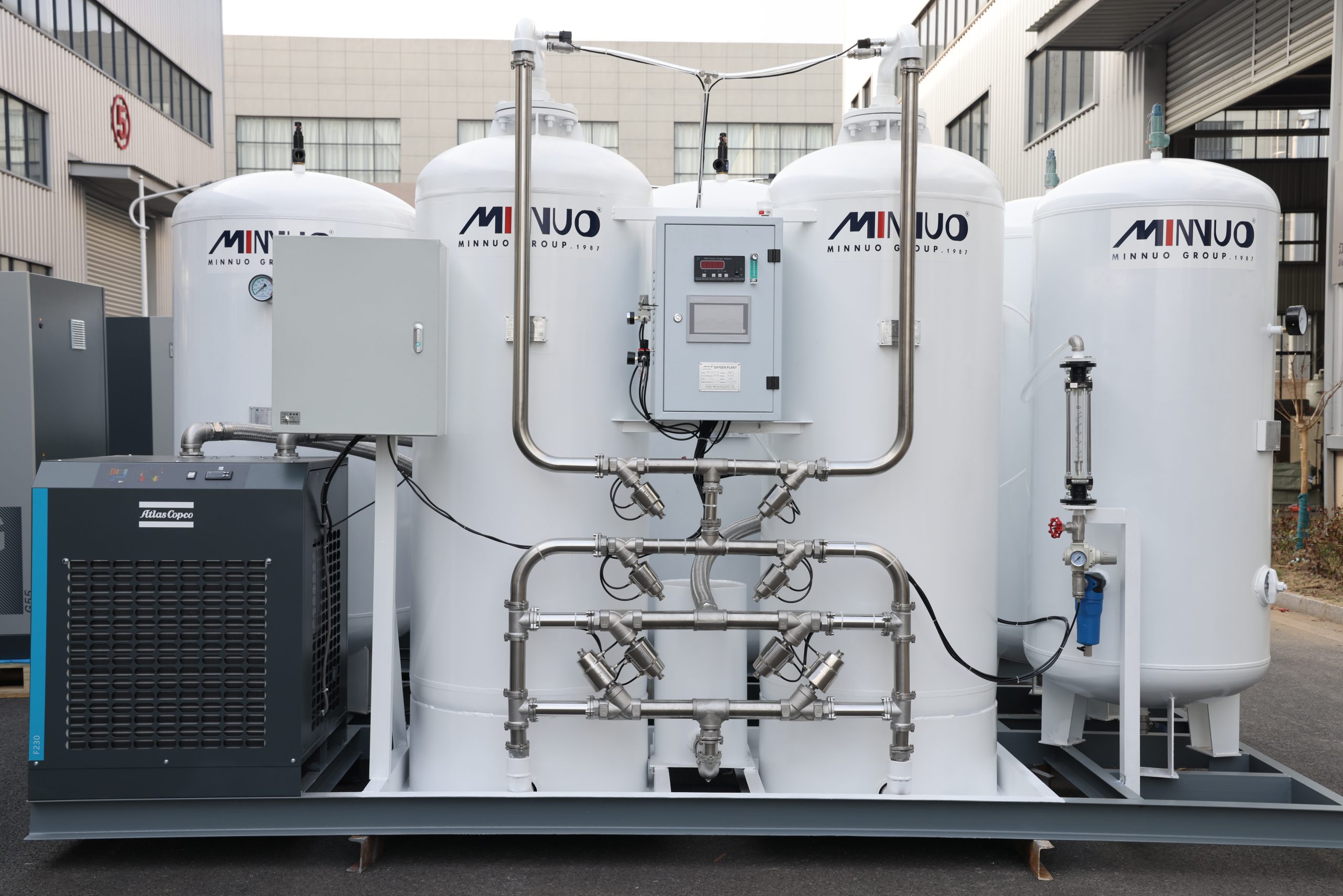
| On-Site PSA Nitrogen Generator | Eliminates gas cost volatility. Produces gas on-demand, 24/7. No evaporation loss. ROI is typically 12-24 months vs. purchased gas. | Requires upfront investment and compressed air supply. Requires floor space. | Any shop with regular laser cutting operations. The economic case becomes stronger with higher consumption and multi-shift operations. |
Calculating the Case for On-Site Generation:
Annual Gas Cost (Bottled/Bulk) – Annual Operating Cost (Generator) = Annual Savings
Generator Operating Cost is primarily the electricity to run the compressor and minimal maintenance. For a typical 3kW laser cutter running one shift, an on-site generator can save $5,000 to $15,000+ annually compared to cylinders.
System Integration: Sizing Your Nitrogen Generator for Laser Cutting
To specify an on-site system, you need two key parameters:
- Required Purity: ≥ 99.95% for professional stainless/aluminum work.
- Peak Flow Rate (Nm³/h or SCFH): This is determined by your laser cutter’s nozzle size and operating pressure.
Simplified Sizing Formula:
Peak Flow Rate ≈ Nozzle Orifice Area × Gas Velocity (at pressure)
Practical Method: Consult your laser machine manual or manufacturer for the maximum nitrogen consumption (e.g., in Nm³/h) at your required pressure. Your nitrogen generator’s output must meet or exceed this peak demand.
Example: A 6kW laser cutting 10mm stainless at 20 bar may consume ~35 Nm³/h. You would need a PSA nitrogen generator rated for at least 40 Nm³/h at 99.95% purity.
FAQ: Nitrogen for Laser Cutting
Q1: Can I use the same nitrogen generator for multiple laser cutters?
A1: Yes, absolutely. You size the generator for the combined peak consumption of all machines that might run simultaneously. A centralized generator with a distribution loop is the most efficient setup for multi-machine shops.
Q2: Why does my cut edge sometimes turn yellow or blue even with a generator?
A2: This indicates oxygen contamination. The cause could be: 1) Generator purity dropping below spec (check filters, sieve), 2) Air leaks in your gas delivery piping between the generator and laser, or 3) Using the wrong (low purity) setting on the laser itself.
Q3: Is an oxygen analyzer necessary if I have a generator?
A3: Highly recommended. A continuous inline oxygen analyzer provides real-time purity verification, ensuring cut quality. It also alerts you to generator maintenance needs or system leaks before they ruin expensive workpieces.
Q4: We cut mostly mild steel with oxygen. Do we still need nitrogen?
A4: For mild steel, oxygen is the preferred process gas (it supports an exothermic reaction). However, many shops use nitrogen for cutting galvanized or coated steels to prevent toxic fumes, or for high-pressure cutting of thin mild steel for a cleaner, dross-free edge.
Conclusion: Quality, Control, and Cost Savings
Selecting the right nitrogen supply for laser cutting is a direct investment in part quality and operational efficiency. By understanding the non-negotiable need for high purity (99.95%+) and stable high pressure, you can specify a gas solution that delivers perfect, oxide-free edges.
For any shop with consistent laser cutting demand, an on-site nitrogen generator transitions nitrogen from a volatile, high-cost consumable into a controlled, predictable utility, unlocking significant annual savings and eliminating supply chain risk.
Ready to calculate your potential savings and specify the right system? Our application engineers can analyze your laser models, material mix, and usage patterns to recommend a perfectly sized and integrated nitrogen generation solution—ensuring your cut quality is never compromised by your gas supply.


 sales2:+86 17506119168