
According to research by CELIOS (2025), the Indonesian steel industry is facing an unprecedented “double squeeze”: export barriers from the EU’s Carbon Border Adjustment Mechanism (CBAM) on one side, and rising domestic electricity costs coupled with the rigid constraints of the 2060 Net Zero Emission (NZE) target on the other.
As production and technical leaders in Indonesian steel plants, we must recognize that before Green Hydrogen steelmaking reaches large-scale commercialization, improving the energy efficiency of existing Blast Furnaces (BF) and Electric Arc Furnaces (EAF) through Oxygen Enrichment is the most pragmatic and cost-effective decarbonization path. The core argument of this article is that oxygen generators are no longer mere production auxiliaries; they are core strategic assets for Indonesian steel enterprises to reduce their carbon footprint and hedge against carbon tax risks.
Industry Pain Points and the Value of Oxygen Generators (Per CELIOS Report)
1. Reducing the Coke Rate: Mitigating High Coal Dependency
The CELIOS report highlights that approximately 80% of Indonesia’s steel capacity still relies on coal. The key to decarbonization lies in “reducing the coke rate.”
- Technical Logic: Increasing the oxygen enrichment concentration for Pulverized Coal Injection (PCI) significantly enhances the combustion efficiency of coal powder.
- Data Support: Based on IEA (International Energy Agency) industry practices, every 1% increase in the oxygen enrichment rate allows for higher coal injection and reduced coke consumption. In Indonesia’s current BF architecture, this can directly reduce carbon emission intensity per unit of product by 5%–10%.
2. Navigating CBAM: Enhancing the Green Premium of Exports
As most Indonesian steel products are exported to markets governed by environmental regulations, carbon footprint tracking has become a standard requirement.
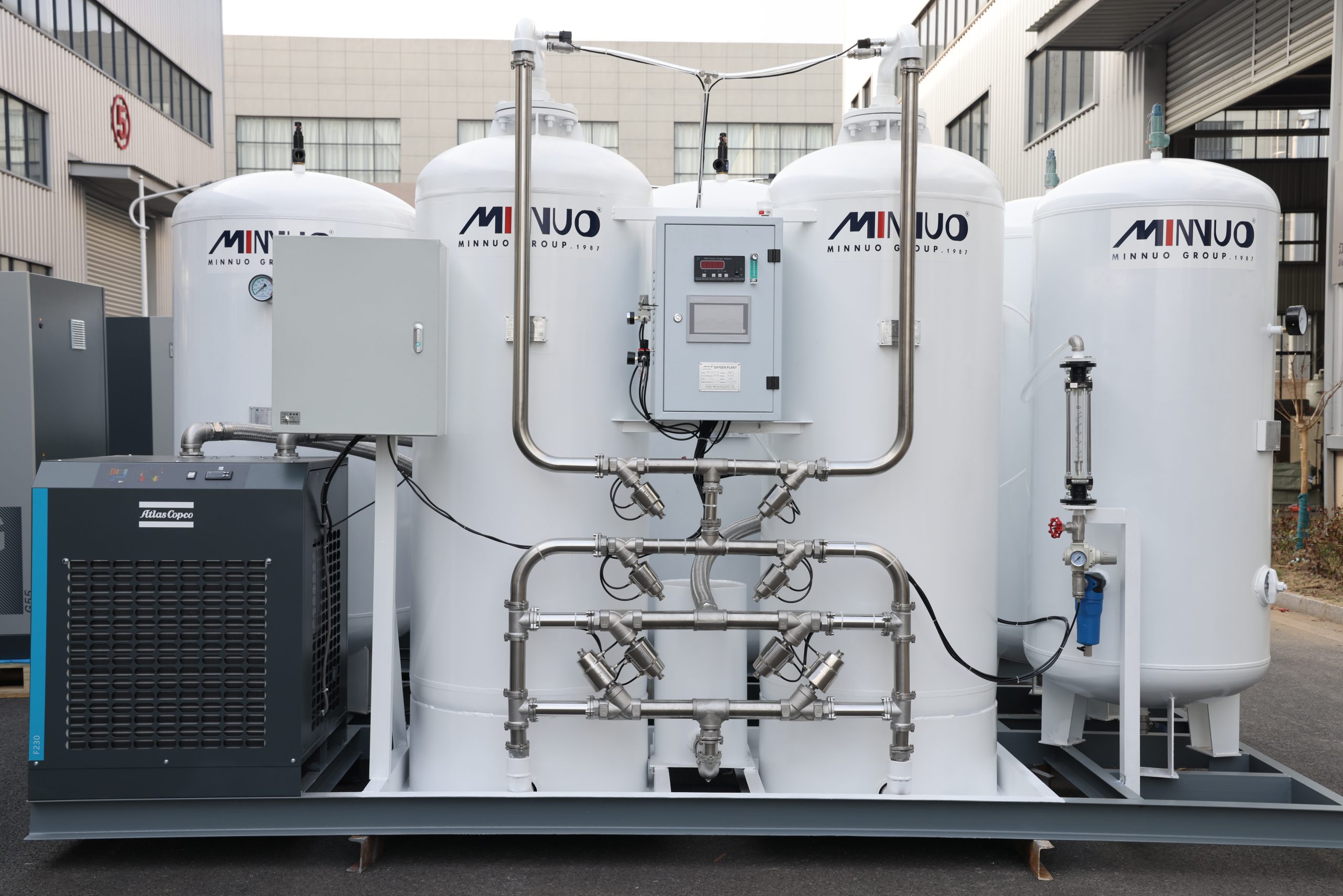
- Strategic Recommendation: Replacing traditional Cryogenic Air Separation Units (ASU) or purchased Liquid Oxygen (LOX) with high-efficiency VPSA (Vacuum Pressure Swing Adsorption) Oxygen Generators significantly reduces Scope 2 indirect emissions. VPSA technology consumes approximately 30% less energy than cryogenic technology for the same oxygen purity requirements.
Technical Comparison: VPSA vs. Cryogenic ASU
In the context of Indonesia’s power structure (still predominantly coal-fired), choosing a more energy-efficient oxygen supply solution is vital.
| Evaluation Dimension | VPSA Oxygen Generator | Cryogenic ASU | Purchased Liquid Oxygen (LOX) |
|---|---|---|---|
| Energy Consumption (kWh/Nm³) | 0.35 – 0.42 | 0.6 – 0.9 | Extremely High (incl. transport) |
| Carbon Intensity | Low (On-site generation) | High | Medium-High (Logistics footprint) |
| ROI Period | 1.5 – 2.5 Years | 5+ Years | N/A (Continuous OPEX) |
| Operational Flexibility | Fast start/stop; adapts to fluctuations | Slow start; best for ultra-scale | Highly dependent on suppliers |
| CELIOS Compatibility | Highly Recommended | Only for 2M+ ton plants | Incompatible with long-term trends |
FAQ: Upgrading Oxygen Systems in Indonesian Steel Mills
Q1: Is the oxygen purity from VPSA (typically 93%) sufficient for steelmaking?
A: Research from Ferroalloys & Stainless Steel proves that 93% purity is entirely sufficient for BF oxygen enrichment and EAF combustion. Pursuing 99.9% “purity surplus” leads to unnecessary energy waste, increasing operating costs by over 20%.
Q2: How does installing an oxygen generator affect a plant’s carbon quota?
A: The Indonesian government is gradually implementing an Emissions Trading System (ETS). The coal consumption reduced by deploying efficient oxygen generators can be converted into tradable carbon credits, offsetting the initial equipment procurement costs.
Building a De-carbonized Oxygen Supply Strategy
To implement the “process optimization” recommendations from the CELIOS report, Indonesian steel managers should take the following steps:
- Conduct an Energy Efficiency Baseline Audit: Evaluate current oxygen consumption and carbon intensity per ton of steel.
- Decentralized Oxygen Layout: For nickel-iron smelting hubs (RKEF) like those in Sulawesi, prioritize on-site distributed VPSA stations to eliminate the “logistics carbon footprint” of long-distance liquid oxygen transport.
- Integrate Waste Heat Recovery: Combine the compression heat from oxygen generators with downstream production processes to further maximize energy efficiency.
Conclusion: Oxygen Generators as the Gateway to “Green Steel”
Summary of Core Findings: The CELIOS 2025 report reveals the inevitable shift of the Indonesian steel industry from “high-carbon growth” to “low-carbon competitiveness.” Oxygen generators (specifically VPSA technology), with their low energy consumption, rapid response, and significant reduction of Scope 1 & 2 emissions, have become the most cost-effective tool for Indonesian mills to meet CBAM challenges and 2030 interim carbon targets.
Actionable Advice:
Indonesian steel plants should immediately transition away from high-energy purchased liquid oxygen models toward on-site PSA/VPSA systems. We recommend that “Oxygen Enrichment System Retrofitting” be designated as the highest priority for decarbonization projects in upcoming Annual Capital Expenditure (CAPEX) plans.
【Sources & Attributions】
Author: Senior Engineer (Industrial Energy Transition)
Professional Background: 10 years of experience in energy efficiency optimization for heavy industry in Southeast Asia; specialist in aligning climate policies (such as Indonesia NZE 2060) with specific industrial technologies.
Disclaimer: Core facts and industry background are based on the CELIOS (2025) report “The Prospects of Indonesia’s Steel Decarbonization”, IEA Industrial Decarbonization Guidelines, and the latest announcements regarding carbon tax from the Indonesian Ministry of Environment and Forestry.


 sales2:+86 17506119168