
I. Introduction
In the world of electronics manufacturing, few things are as critical as the quality of solder joints. A single bad joint can mean a failed product, a field failure, or a costly recall.
That’s why reflow soldering—the process of melting solder paste to connect components to PCBs—is so carefully controlled. Temperature profiles, conveyor speeds, and paste application all matter.
But there’s another factor that’s equally important: the atmosphere inside the reflow oven.
Oxygen, present in ordinary air, causes problems during soldering. It oxidizes metal surfaces, hinders wetting, and creates defects. That’s why many PCB manufacturers use nitrogen in their reflow ovens.
This guide explains how nitrogen generators support reflow soldering, why they’re becoming standard in quality-driven shops, and how to choose the right system.
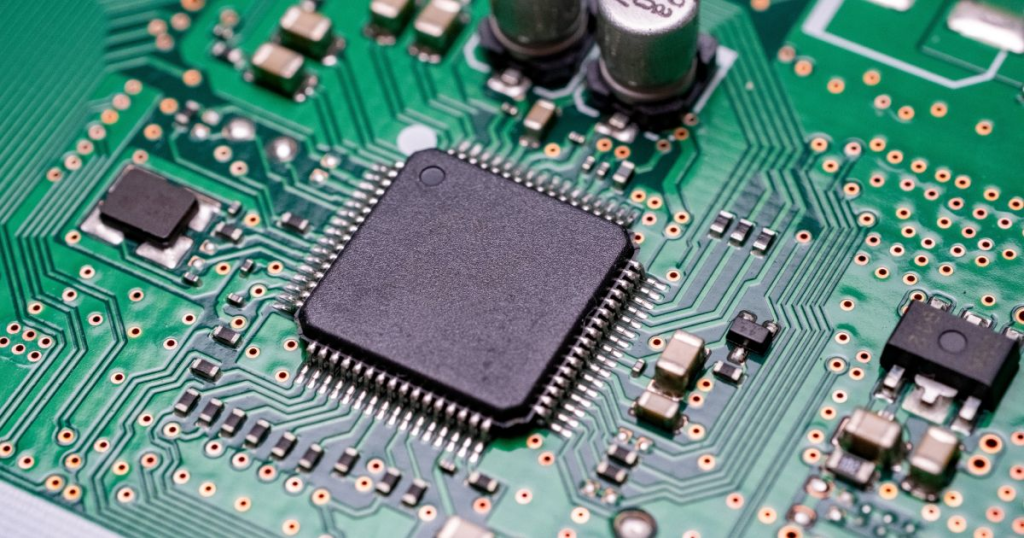
II. Why Reflow Soldering Needs Nitrogen
To understand why nitrogen matters, you need to understand what happens during soldering.
The soldering process:
- Solder paste (a mixture of solder powder and flux) is applied to PCB pads
- Components are placed on the paste
- The board enters the reflow oven, where it passes through heating zones
- The solder melts, flows, and forms joints
- The board cools, solidifying the joints
The problem with oxygen:
When solder melts in the presence of oxygen, several bad things happen:
- Oxidation: Molten solder oxidizes quickly, forming a dull, crusty surface that won’t wet properly
- Poor wetting: Oxidized solder doesn’t flow onto component leads or PCB pads
- Solder balls: Oxidized solder can form tiny balls that cause shorts
- Weak joints: Oxidized joints are brittle and prone to failure
- Head-in-pillow defects: BGA balls fail to merge with paste, creating hidden defects
How nitrogen helps:
By displacing oxygen with nitrogen, you create an inert atmosphere where:
- Solder stays bright and fluid
- Wetting is consistent
- Defects are dramatically reduced
- You can use less aggressive fluxes (or even no-clean formulations)
III. How Nitrogen Improves Solder Joint Quality
The visual difference is striking. Boards soldered in air often have dull, grainy joints. Boards soldered in nitrogen have bright, shiny, consistent joints.
The technical benefits:
Better wetting:
Without oxide layers, molten solder spreads easily onto component leads and PCB pads. This is especially important for difficult-to-solder surfaces like bare copper or certain component finishes.
Reduced voiding:
Nitrogen atmosphere reduces gas entrapment in joints, leading to fewer voids—especially important for BGAs and thermal pads.
Wider process window:
Nitrogen gives you more tolerance for variations in paste, components, and temperature profiles. If something isn’t perfect, nitrogen helps compensate.
Lower peak temperature:
Some shops can reduce peak reflow temperature slightly when using nitrogen, reducing thermal stress on components.
Improved appearance:
Bright, shiny joints aren’t just cosmetic—they indicate good metallurgical bonding.
Consistency:
Nitrogen eliminates day-to-day variations caused by humidity and ambient air quality. Every board looks like the last one.
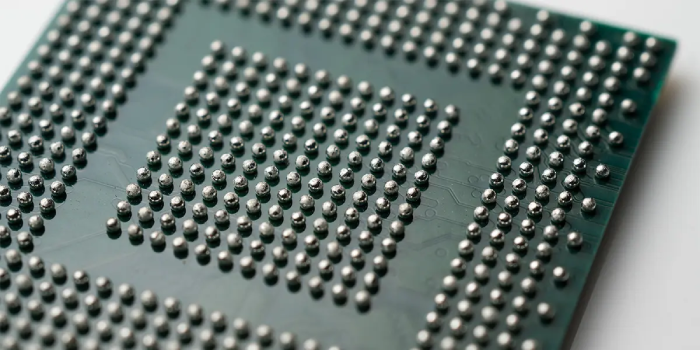
IV. Nitrogen Purity Requirements for Reflow
Not all nitrogen is the same. For reflow soldering, purity matters—but you may not need the highest possible purity.
Typical purity range:
Most reflow soldering applications use nitrogen in the 99.5% to 99.99% range (500 to 100 ppm oxygen residual).
| Application | Recommended Purity | Oxygen Residual |
| General SMT assembly | 99.5% – 99.9% | 1000 – 5000 ppm |
| Fine-pitch components | 99.9% – 99.99% | 100 – 1000 ppm |
| Lead-free soldering | 99.99% | <100 ppm |
| BGAs and complex boards | 99.99%+ | <50 ppm |
| Gold or difficult surfaces | 99.99%+ | <50 ppm |
Lead-free considerations:
Lead-free solders (SAC alloys) have higher melting points and poorer wetting than tin-lead. They benefit more from higher nitrogen purity. Many lead-free operations aim for 99.99% or better.
The trade-off:
Higher purity costs more to produce. A 99.99% system uses more compressed air and larger equipment than a 99.5% system. Match purity to your actual needs—don’t overspecify.
V. How Nitrogen Is Used in Reflow Ovens
Nitrogen doesn’t just fill the oven—it’s carefully introduced and controlled.
Inerting zones:
Most reflow ovens have multiple heating zones. Nitrogen is typically introduced in the preheat and reflow zones, where oxidation risk is highest. Cooling zones may use less nitrogen or none.
Oxygen monitoring:
Quality systems include oxygen analyzers that continuously measure the atmosphere inside the oven. When oxygen levels rise above setpoint, the system alarms or adjusts nitrogen flow.
Flow control:
Too little nitrogen and oxygen creeps in. Too much nitrogen wastes gas. Modern ovens use closed-loop control to maintain target oxygen levels with minimum nitrogen consumption.
Typical consumption:
A single reflow oven might use 10-50 cubic meters per hour of nitrogen, depending on oven size, target oxygen level, and oven design. Some high-end ovens are very efficient; older ovens may leak more.
Multiple ovens:
Larger shops with multiple lines can benefit from a centralized nitrogen generator feeding all ovens, with local flow control at each oven.
VI. Benefits of Onsite Generation vs. Delivered Nitrogen
For reflow soldering, both liquid nitrogen and onsite generators are used. Here’s how they compare.
Liquid nitrogen:
- Delivered by truck, stored in a tank
- Very high purity (99.999%+)
- No equipment to maintain
- But: ongoing cost, delivery logistics, boil-off losses
Onsite generation:
- Produces nitrogen from compressed air
- Purity tailored to your needs (99.5-99.99%)
- Lower operating cost over time
- No deliveries, no boil-off
- But: upfront investment, requires compressed air
The breakeven:
For a single small oven, liquid nitrogen might make sense. For multiple ovens or 24/7 operation, onsite generation almost always pays for itself in 18-36 months.
Additional benefits for PCB shops:
- No running out during production
- Consistent purity batch to batch
- No tank rental fees
- Space savings (no tank outside)
VII. Sizing a Nitrogen Generator for Reflow
If you’re considering onsite generation, here’s how to size the system.
Step 1: Determine total flow
Add up the nitrogen consumption of all ovens you plan to run simultaneously. Include a margin (20%) for future expansion.
Example:
- Two ovens, each using 25 Nm³/hr at target purity
- Total: 50 Nm³/hr
- Add 20% margin: 60 Nm³/hr
Step 2: Specify purity
What oxygen level do you need? 99.5%? 99.9%? 99.99%? This affects equipment selection and cost.
Step 3: Consider storage
Even with a generator, a small buffer tank helps smooth out demand fluctuations. For reflow ovens that cycle on and off, a tank lets the generator run steadily.
Step 4: Choose technology
- PSA generators: Better for higher purities (99.9%+), more efficient at very high purity
- Membrane generators: Simpler, good for 99.5% purity, lower maintenance
Most reflow applications needing 99.9%+ purity use PSA.
Step 5: Plan for redundancy
If a line shutdown is unacceptable, consider dual generators or a liquid backup connection. Some shops use two smaller generators instead of one large one.
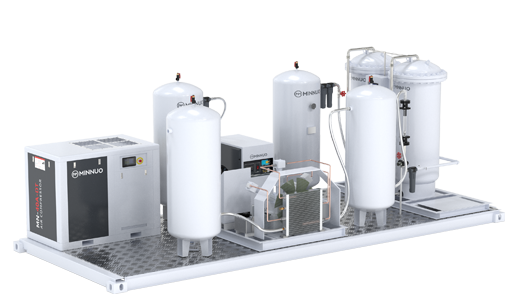
FAQ
Q1: What purity of nitrogen do I need for lead-free reflow soldering?
A1: Lead-free solders typically benefit from higher purity—99.99% (100 ppm oxygen) or better. The exact requirement depends on your components, paste, and process. Start with your oven manufacturer’s recommendation.
Q2: How much nitrogen does a reflow oven use?
A2: Typical consumption is 10-50 Nm³/hr per oven. Factors affecting usage: oven size, target oxygen level, oven design, and whether the oven has good seals. Modern efficient ovens use less.
Q3: Can I use a membrane generator for reflow soldering?
A3: For 99.5% purity applications, yes. For higher purities (99.9%+), PSA is usually required. Check your purity requirement first, then choose technology.
Q4: Will nitrogen eliminate all soldering defects?
A4: No—but it will reduce defects caused by oxidation. Other factors (paste quality, stencil design, temperature profile, component placement) still matter. Nitrogen widens your process window but doesn’t replace good process control.
Q5: Do I need nitrogen for all boards?
A5: Simple boards with large components might solder fine in air. Fine-pitch components, BGAs, and challenging boards benefit most. Many shops use nitrogen selectively for critical products.
Q6: How do I know if my oven is leaking nitrogen?
A6: Monitor consumption. If it’s higher than expected, check door seals, belt openings, and exhaust dampers. An oxygen analyzer at the exhaust can also indicate if air is entering.
Q7: Can I retrofit nitrogen to an existing reflow oven?
A7: Most modern reflow ovens are designed for nitrogen. Older ovens may need modifications—sealing, inlet connections, exhaust dampers. Check with your oven manufacturer.
Q8: What’s the ROI of a nitrogen generator for a PCB shop?
A8: For a shop with multiple ovens running 24/7, payback is typically 18-36 months. Calculate your current liquid nitrogen cost vs. generator operating cost (electricity + maintenance) to get your specific number.
Q9: Do I need to dry the nitrogen for reflow?
A9: Standard nitrogen generators produce very dry gas (typically -40°C dew point or lower). This is fine for reflow. No additional drying needed.
Q10: Will nitrogen affect my no-clean flux residues?
A10: Nitrogen allows many shops to use milder fluxes or reduce flux application. Residues may actually be cleaner because less oxidation occurs. Test with your specific paste.
Conclusion
In reflow soldering, nitrogen isn’t a luxury—it’s a tool for quality. By creating an oxygen-free environment, nitrogen prevents oxidation, improves wetting, and reduces defects. The result: brighter joints, wider process windows, and more consistent production.
For PCB manufacturers, the choice between liquid nitrogen and onsite generation comes down to volume. Small shops may stick with liquid. But as volume grows, onsite generation quickly becomes the more economical choice—with the added benefits of no deliveries, no boil-off, and complete control over your gas supply.
At MINNUO, we help electronics manufacturers find the right nitrogen solution for their reflow lines. Whether you need a small membrane system for 99.5% purity or a PSA system for ultra-high-purity applications, we’ll help you size it right. Because we know that in your business, every joint matters.

 sales2:+86 17506119168