
Watching oxygen purity trend downward from 93% to 89% to 86% triggers a familiar anxiety in any plant manager. Every percentage point lost means higher cyanide consumption in a gold leach circuit, slower cutting speeds in a steel mill, or off-spec product in a glass furnace. The good news is that most purity declines can be reversed without replacing the zeolite bed. This guide walks through a systematic approach to diagnose and restore oxygen purity in a PSA plant before calling for expensive outside service.
I. Rule Out Measurement Error First
The most common cause of “purity loss” is not an actual process change but a measurement artifact. Before adjusting any process parameter, verify the oxygen analyzer is telling the truth.
1. Check Analyzer Calibration
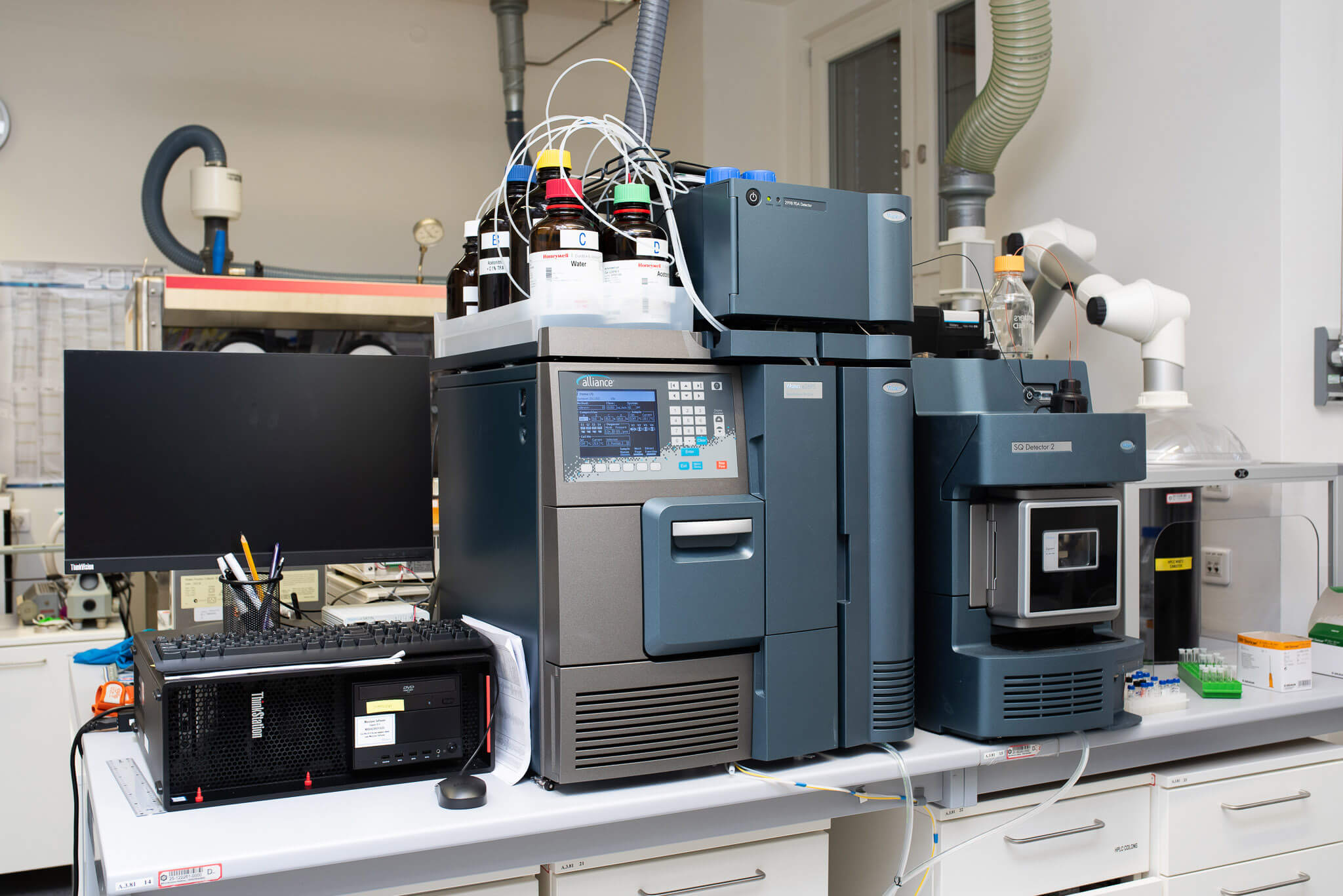
Zirconia and paramagnetic oxygen analyzers drift over time. A sensor last calibrated six months ago may read 2-3% low, creating the illusion of purity loss. Perform a two-point calibration using certified span gas (typically 90-95% oxygen) and zero gas (nitrogen or instrument air). If calibration restores the expected reading, the problem was measurement, not performance.
2. Inspect Sample Conditioning
The sample line delivering gas to the analyzer must be free of leaks, condensation, and contamination. A pinhole leak in the sample tubing admits ambient air, diluting the sample and depressing the oxygen reading. Check all compression fittings, replace aged tubing, and verify the sample flow rate matches analyzer specifications—typically 0.5 to 2.0 L/min.
3. Verify Sample Point Location
Sample oxygen as close to the PSA vessel outlet as practical. Sampling downstream of a buffer tank introduces variables: tank stratification, back-diffusion of lower-purity gas during low-flow periods, or contamination from tank lining degradation. Temporarily install a tee and sample directly at the vessel outlet to confirm the true oxygen purity leaving the PSA.
II. Examine Operating Parameters for Deviation
PSA oxygen plants operate within a narrow window of optimized parameters. Small deviations produce measurable purity loss.
1. Adsorption Pressure Check
Oxygen purity is highly sensitive to the pressure at which nitrogen adsorbs onto the zeolite. If the adsorption pressure has drifted 10-15 PSIG below the original commissioning setpoint, nitrogen breakthrough occurs earlier in the cycle, reducing average purity. Common causes include:
- Air compressor discharge pressure reduction
- Inlet filter loading increasing pressure drop
- Control valve leakage or improper positioning
Restore the design adsorption pressure and observe purity response over 4-6 complete cycles.
2. Cycle Timing Verification
The PSA cycle—pressurization, adsorption, equalization, desorption—is precisely timed in the PLC. If an operator or previous technician altered cycle times, purity suffers. Verify current settings against the original equipment manufacturer’s commissioning record. Shortening adsorption time leaves oxygen in the void spaces unrecovered. Lengthening it causes nitrogen breakthrough. Restore factory timing values unless site altitude or temperature conditions justify verified adjustments.
3. Flow Rate Assessment
Every PSA plant has a nameplate capacity. Operating continuously at 105-110% of rated flow gradually depresses purity. Check the actual oxygen flow rate against design. If demand has crept up over time, the plant may simply be undersized for current requirements. Reducing flow by 10% and observing purity recovery confirms this diagnosis. The solution may be adding capacity rather than troubleshooting an overworked plant.
III. Investigate Feed Air Quality Degradation
The PSA separation process depends entirely on the quality of compressed air entering the zeolite beds. Contamination here is irreversible without intervention.
1. Water Vapor Contamination
Zeolite adsorbs water vapor more strongly than nitrogen. Once water saturates the molecular sieve, nitrogen capacity drops permanently until the bed is dried or replaced. Check the pressure dew point downstream of the air dryer. A dew point warmer than -40°F indicates dryer underperformance. Replace desiccant in heatless dryers, check refrigerant charge in refrigerated dryers, and verify automatic condensate drains are functioning.
2. Oil Carryover from Air Compressor
Even trace oil aerosol coats zeolite surfaces, blocking nitrogen adsorption sites. This damage is cumulative and largely irreversible. Inspect the coalescing filter element and the carbon bed in the air treatment system. If oil has reached the zeolite, the bed typically requires replacement. Prevention demands 0.01 mg/m³ or better filtration with timely element changes.
3. Particulate Fouling
Dust from desiccant breakdown, pipe scale, or inadequate inlet filtration blinds the zeolite surface. Check pressure drop across the PSA vessels. A higher-than-baseline pressure drop with no change in flow indicates particulate loading. In some cases, careful backflushing of the vessels can dislodge surface dust and restore performance.
IV. Assess Zeolite Molecular Sieve Condition
If measurement, operating parameters, and feed air quality all check normal, the zeolite itself may be degraded.
1. Age and Operating Hours
Carbon molecular sieve in oxygen PSA service typically lasts 8 to 12 years under proper operating conditions. If the plant exceeds this age range and purity declines despite all other factors being optimized, the zeolite has likely reached end of life. Gradual loss of 1-2% purity per year after year 6-7 is a classic aging signature.
2. Evidence of Fluidization Damage
Rapid pressure cycling or excessive gas velocity can fluidize the zeolite bed, causing particle attrition. The resulting fines accumulate at the bottom of the vessel and in downstream filters. If maintenance finds zeolite dust in oxygen filters or buffer tank drains, the bed has mechanically degraded and requires replacement.
3. Thermal History
Zeolite exposed to temperatures above 150°F for extended periods loses adsorption capacity. This can occur if the air compressor aftercooler fails and hot air enters the PSA vessels. Review temperature logs or measure vessel skin temperature during operation. Sustained elevated temperatures accelerate aging and justify bed replacement.
4. The Replacement Decision
Zeolite replacement is a significant expense but restores original performance. Before committing, consult the manufacturer with operating data: current purity at rated flow, pressure dew point trend, and hours since last bed change. Some facilities opt for partial bed replacement of the most degraded vessel to extend overall life at reduced cost.
V. Systematic Restoration Procedure
Follow this sequence to methodically restore purity without introducing new variables.
1. Document Baseline Conditions
Record oxygen purity, flow rate, adsorption pressure, cycle times, dew point, and ambient conditions before making any changes. This baseline confirms whether subsequent adjustments produce genuine improvement.
2. Correct Feed Air Issues First
Replace all air treatment filter elements. Verify dryer performance and correct any dew point excursions. Allow the system to stabilize for 24 hours before evaluating purity impact. Feed air problems mask all other variables.
3. Restore Operating Parameters to Design Values
Reset adsorption pressure, cycle timing, and flow rate to original manufacturer specifications. If the plant was commissioned at altitude, confirm whether settings were altitude-adjusted.
4. Perform Controlled Flow Reduction Test
Reduce oxygen flow by 15% and observe purity after one hour. If purity rises significantly, the plant is capacity-limited rather than malfunctioning. This informs whether troubleshooting should continue or capacity expansion is required.
5. Conduct Extended Purge Cycle
If water contamination is suspected, run the PSA plant in a no-production purge mode if available, cycling dry air through both vessels to strip moisture from the zeolite. This can partially restore capacity in mildly water-damaged beds.
6. Verify Recovery with Calibrated Analysis
After completing corrective actions, re-verify oxygen purity using a freshly calibrated analyzer. Document the new baseline for future troubleshooting reference.
Frequently Asked Questions
Q1: How much purity drop is considered normal aging versus a problem?
A1: A well-maintained PSA oxygen plant typically loses 0.5% to 1.0% purity per year after the first year of operation. A sudden drop of 3% or more over weeks or months indicates a correctable problem—usually feed air contamination or parameter drift. Gradual decline over years suggests normal zeolite aging.
Q2: Can water-damaged zeolite be regenerated?
A2: Mild water exposure can sometimes be reversed by extended operation with very dry feed air, essentially using the PSA cycle to slowly desorb moisture. Severe water saturation—from a flooded air receiver or complete dryer failure—permanently degrades zeolite capacity. If purity does not recover after 48 hours of operation with -40°F dew point feed air, bed replacement is the only reliable solution.
Q3: How do I know if the problem is in one vessel or both?
A3: If the PSA plant has individual vessel sampling ports or if you can observe the oxygen purity profile across the cycle, a difference in performance between the two vessels indicates localized issues. One vessel showing lower purity suggests valve leakage, uneven flow distribution, or localized zeolite damage in that vessel only. Symmetrical purity decline implicates feed air or overall parameter settings.
Q4: What is the typical cost of zeolite replacement?
A4: Zeolite replacement cost depends on vessel size and media type. For a typical 50-100 Nm³/hr PSA oxygen plant, carbon molecular sieve replacement ranges from $8,000 to $25,000 including media, labor, and disposal. This compares favorably to the cost of liquid oxygen premium paid over 1-2 years of degraded on-site production.
Q5: Can changing the cycle time improve purity without other changes?
A5: Yes, within limits. Slightly shortening the adsorption step can improve purity at the expense of recovery rate. This trades oxygen yield for higher purity. If the plant has excess capacity, this adjustment may restore acceptable purity while planning a more comprehensive solution. However, significant cycle time changes should be guided by the manufacturer to avoid damaging the zeolite through improper pressure equalization.
Q6: When should I call the manufacturer instead of continuing to troubleshoot?
A6: Call for manufacturer support if purity remains below specification after feed air quality is verified and operating parameters are restored to design values, if zeolite dust appears in oxygen filters indicating bed failure, or if the plant is less than five years old and has lost more than 5% purity, suggesting a possible defect or improper commissioning. Remote telemetry support can often diagnose issues without a site visit.
Conclusion
Restoring oxygen purity in a PSA plant follows a logical diagnostic hierarchy: verify measurement accuracy, restore design operating parameters, confirm feed air quality, and finally assess zeolite condition. The majority of purity declines stem from correctable issues—analyzer drift, pressure deviation, wet feed air, or overloaded operation—rather than irreversible zeolite failure. Systematic troubleshooting avoids unnecessary bed replacement while minimizing production disruption.
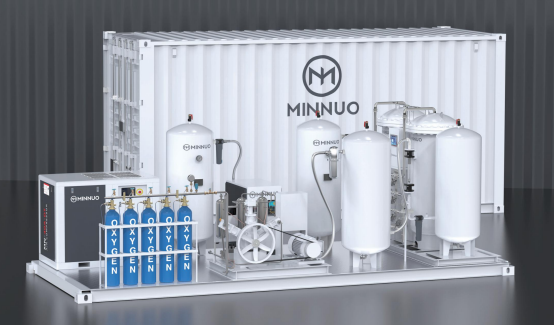
At MINNUO, our technical support team assists PSA oxygen plant operators worldwide with purity restoration diagnostics. From remote telemetry analysis to on-site service interventions, we help identify root causes and implement corrective actions that return your plant to rated performance with minimal downtime.


 sales2:+86 17506119168