
I. Introduction
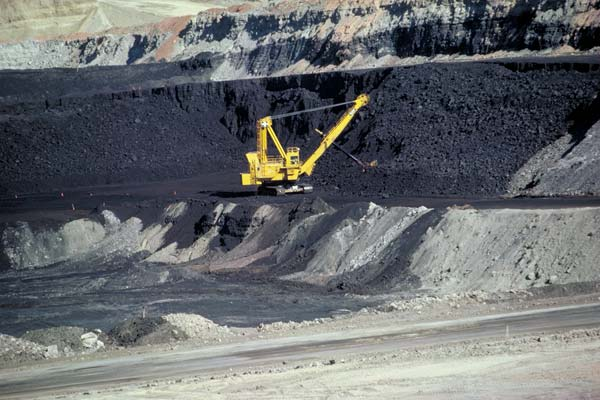
Coal mining is dangerous work. Among the many hazards miners face, fire and explosion are among the deadliest. A single ignition in a coal mine can rip through tunnels, trap workers, and destroy infrastructure.
The culprit is often the coal itself. Coal, especially low-rank coals, can spontaneously combust when exposed to air. Oxygen seeps into coal seams, reacts with carbon, and slowly raises temperatures until ignition occurs.
For over a century, mine operators have sought ways to prevent this. One of the most effective methods is nitrogen inerting—flooding the mine atmosphere with nitrogen to displace oxygen and stop combustion before it starts.
This guide explains how nitrogen inerting works in coal mines, why it’s used, and how to design a system that protects miners and operations.
II. Why Coal Mines Need Nitrogen Inerting
To understand why nitrogen matters, you first need to understand what makes coal mines vulnerable to fire.
The problem: spontaneous combustion
Coal, particularly sub-bituminous and lignite, contains volatile compounds that react with oxygen at low temperatures. The reaction produces heat. If heat isn’t dissipated—and in a coal seam or gob area, it often isn’t—temperatures slowly rise.
- 20-40°C: Oxidation begins, heat slowly accumulates
- 40-70°C: Reaction accelerates, oxygen consumption increases
- 70-100°C: Coal begins to dry out, cracks form, exposing fresh surface
- 100°C+: Spontaneous ignition occurs
This process can take weeks or months, but once it starts, it’s difficult to stop.
The consequences of mine fires:
| Impact | Description |
| Worker safety | Toxic gases, heat, and potential explosion |
| Production loss | Entire sections or mines may be sealed |
| Equipment damage | Costly infrastructure destroyed |
| Environmental impact | Methane release, surface subsidence |
| Long-term closure | Some mines never reopen after major fires |
Why nitrogen?
Nitrogen is inert—it doesn’t react with coal. By injecting nitrogen into the mine atmosphere, oxygen levels drop below the threshold needed for combustion (typically below 10-12%). Without oxygen, fire cannot start or continue.
III. How Nitrogen Inerting Works in Coal Mines
Nitrogen inerting is the process of displacing oxygen in a mine atmosphere with nitrogen, creating an environment where combustion cannot occur.
The principle:
Fire needs three things: fuel (coal), heat (already present), and oxygen. Remove any one, and fire stops. Nitrogen inerting removes oxygen.
Application methods:
| Method | Description | Best For |
| Gob inerting | Nitrogen injected into gob (mined-out) areas to prevent spontaneous combustion | Longwall mining |
| Sealed area inerting | Nitrogen introduced into sealed sections to maintain inert atmosphere | Abandoned or fire-damaged areas |
| Fire suppression | Nitrogen directed at active fire to smother flames | Emergency response |
| Preventive inerting | Continuous nitrogen injection in high-risk zones | Proactive fire prevention |
How it’s done:
- Nitrogen is produced on-site or delivered to the mine
- Piping delivers nitrogen to the target area
- Flow rates are controlled to maintain desired oxygen levels
- Monitoring equipment continuously tracks oxygen, temperature, and gas concentrations
- Adjustments are made based on real-time data
Target oxygen levels:
- Prevention: Maintain below 10-12% oxygen
- Fire suppression: Reduce to 5% or lower
- Sealed areas: Aim for 3-5% oxygen
IV. PSA vs. Membrane Technology for Mine Inerting
Mine operators have two main options for on-site nitrogen generation.
PSA (Pressure Swing Adsorption) Generators:
How they work:
- Carbon molecular sieves adsorb oxygen, allowing nitrogen to pass
- Two vessels alternate between adsorption and regeneration
- Produces 95-99.9% nitrogen
Advantages for mining:
- Higher purity (more effective inerting)
- Efficient at higher flow rates
- Proven technology in industrial applications
Disadvantages:
- More components (valves, vessels)
- Higher maintenance requirements
- Larger footprint
Membrane Generators:
How they work:
- Hollow fiber membranes separate gases
- Oxygen and water vapor permeate faster, nitrogen passes through
- Produces 95-99.5% nitrogen
Advantages for mining:
- No moving parts, lower maintenance
- Compact, lighter weight
- Tolerant of harsh conditions
- Quick startup
Disadvantages:
- Lower purity ceiling
- Less efficient at very high purities
Which for coal mine inerting?
| Factor | PSA Preferred | Membrane Preferred |
| Purity needs | Very high (99%+) | Moderate (95-98%) |
| Flow rate | Higher | Lower to moderate |
| Maintenance capacity | Full-time staff | Limited staff |
| Space constraints | Less tight | Tight |
| Mobility | Fixed installation | Mobile/containerized |
For most coal mine inerting applications (prevention rather than ultra-high purity), membrane generators are increasingly popular due to simplicity and reliability.
V. System Design for Coal Mine Nitrogen Inerting
Designing an inerting system requires careful planning.
Sizing considerations:
- Determine the volume to be inerted:
- Gob area dimensions
- Sealed section volume
- Leakage rates (air infiltration)
- Calculate required flow rate:
- Continuous inerting: maintain oxygen below threshold
- Emergency response: rapid oxygen displacement
- Typical range: 500-5,000 scfm depending on mine size
- Consider delivery distance:
- Nitrogen must travel through piping from surface to target
- Pressure drops over distance require higher inlet pressures
Piping system:
- Material: Corrosion-resistant (stainless steel preferred)
- Sizing: Oversize to minimize pressure drop
- Valves: Isolation valves at strategic points
- Monitoring points: Sampling ports for gas analysis
Control and monitoring:
- Continuous oxygen monitoring
- Temperature sensors (early warning of heating)
- Flow meters
- Automated control systems
- Remote monitoring capabilities
VI. Mobile vs. Fixed Nitrogen Systems for Mines
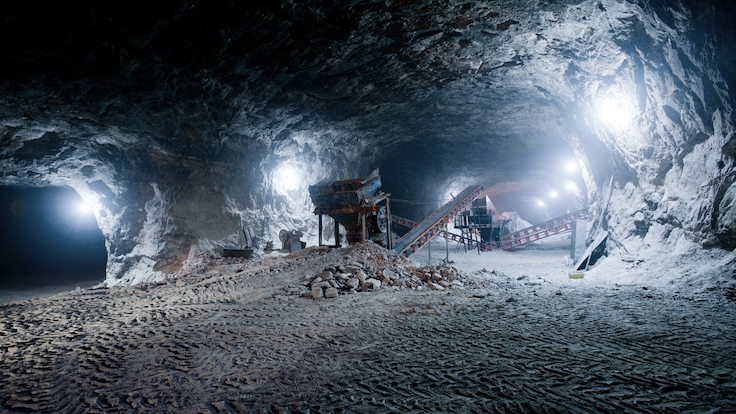
Mines have different needs depending on their configuration and risk profile.
Fixed Systems:
Characteristics:
- Permanent installation
- Large capacity (continuous operation)
- Integrated with mine infrastructure
Best for:
- Large, long-life mines
- Continuous preventive inerting needs
- Established operations with dedicated space
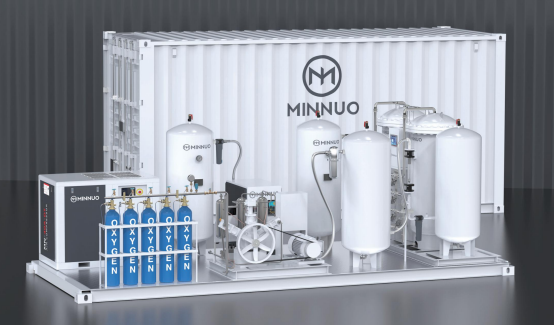
Mobile/Containerized Systems:
Characteristics:
- Transportable, skid-mounted or containerized
- Smaller capacity but scalable
- Quick deployment
Best for:
- Multiple mine sites
- Emergency response readiness
- Smaller operations
- Temporary inerting needs
Hybrid approach:
Many mines use fixed systems for continuous preventive inerting and maintain mobile units for emergency response or to supplement during peak needs.
VII. Safety and Regulatory Compliance
Coal mine inerting is heavily regulated. Compliance is not optional.
Regulatory framework (US):
- MSHA (Mine Safety and Health Administration): Sets standards for ventilation, monitoring, and emergency response
- 30 CFR Part 75: Mandatory safety standards for underground coal mines
- Fire protection plans: Required for all underground coal mines
Key requirements:
| Requirement | What It Means |
| Oxygen monitoring | Continuous sensors in sealed areas |
| Weekly inspections | Qualified personnel check inerted areas |
| Emergency response plan | Procedures for fire detection and suppression |
| Training | Miners trained on inerting systems and hazards |
| Record keeping | Documentation of tests, inspections, and incidents |
Safety considerations:
- Nitrogen is an asphyxiant: Displaces oxygen. Workers must be trained.
- Ventilation: Areas with nitrogen injection need careful ventilation management
- Communication: Clear protocols for inerting operations
- Lockout/tagout: Procedures for system maintenance
FAQ
Q1: How does nitrogen prevent spontaneous combustion in coal mines?
A1: Spontaneous combustion requires oxygen to react with coal. Nitrogen inerting reduces oxygen concentration in the mine atmosphere—typically below 10-12%—which slows the oxidation reaction to the point where heat cannot accumulate enough to reach ignition temperature.
Q2: What purity of nitrogen is needed for coal mine inerting?
A2: For most preventive inerting applications, 95-98% nitrogen (2-5% oxygen) is sufficient. For active fire suppression or sealed areas, higher purity (99%+) may be needed. Membrane generators produce 95-99.5%; PSA generators produce up to 99.9%+.
Q3: How much nitrogen does a coal mine need?
A3: Flow requirements vary widely based on mine size, gob volume, and leakage rates. A small operation might need 500-1,000 scfm. A large longwall mine might need 2,000-5,000 scfm continuous. An engineering assessment is essential.
Q4: Can nitrogen be used to fight an active mine fire?
A4: Yes. Nitrogen injection is a primary method for fighting underground coal fires. It smothers the fire by displacing oxygen and helps cool the burning area. In some cases, mines have been successfully sealed and inerted with nitrogen for extended periods until fires extinguished.
Q5: What’s the difference between nitrogen inerting and ventilation?
A5: Ventilation uses air flow to dilute gases and remove heat. It works for active mining areas but can actually feed fires in sealed or gob areas. Nitrogen inerting is used where ventilation is not possible or would make the problem worse—specifically in sealed areas, gobs, and during fire emergencies.
Q6: Is nitrogen dangerous to miners?
A6: Nitrogen is non-toxic but can be an asphyxiant—it displaces oxygen. In normal operations, nitrogen is injected into sealed areas where miners are not present. When workers must enter inerted areas, they use self-contained breathing apparatus and follow strict safety protocols.
Q7: What happens if the nitrogen system fails?
A7: Failure protocols vary by mine. Typically: alarms alert operators, oxygen levels are monitored continuously, and if levels rise above safe thresholds, workers may be withdrawn from affected areas. Redundant systems, backup nitrogen sources, and emergency response plans are part of standard mine safety programs.
Conclusion
Coal mine fires are among the most dangerous hazards in underground mining. They claim lives, destroy infrastructure, and can close mines forever. Preventing them is not just good economics—it’s a moral imperative.
Nitrogen inerting has proven to be one of the most effective tools for mine fire prevention. By displacing oxygen in gob areas, sealed sections, and high-risk zones, nitrogen stops the oxidation process that leads to spontaneous combustion. It also provides a critical tool for fighting active fires when they occur.
The technology is mature. The safety benefits are clear. And for mine operators, the investment in a nitrogen inerting system pays for itself in prevented downtime, preserved equipment, and—most importantly—lives protected.
At MINNUO, we help mining operations design and deploy nitrogen inerting systems that work in the harshest underground environments. From membrane generators for preventive inerting to high-purity PSA systems for emergency response, we focus on reliable solutions that keep your mine safe and your production running. Because in coal mining, safety isn’t just a priority—it’s the only priority.


 sales2:+86 17506119168