
I. Introduction
In chemical manufacturing, the air we breathe is often the enemy. Oxygen oxidizes, moisture degrades, and airborne contaminants spoil sensitive materials. For many chemicals—from specialty solvents to pharmaceutical intermediates—exposure to air means lost quality, reduced yield, or even safety hazards.
Chemical blanketing (also called tank blanketing or nitrogen padding) solves this problem. A layer of inert nitrogen gas sits above the liquid in a storage tank or reactor, protecting it from the atmosphere.
For plants that rely on this protection, an on-site nitrogen generator isn’t just convenient—it’s essential. Cylinder delivery and liquid nitrogen come with supply risks. A generator produces nitrogen continuously, ensuring the blanket never drops.
This guide explains what chemical blanketing is, which materials need it, and how to design a nitrogen generation system for reliable protection.
II. What Is Chemical Blanketing and Why Does It Matter?
Chemical blanketing is the practice of maintaining an inert gas atmosphere above a stored or processed liquid. The gas—typically nitrogen—fills the vapor space in a tank or reactor, displacing air and preventing contact between the liquid and the atmosphere.
What blanketing prevents
Oxidation is one of the most common problems. Many chemicals react with oxygen, forming unwanted byproducts, losing potency, or changing color. Solvents can form peroxides, which become explosive over time. Unsaturated compounds may polymerize.
Moisture is another concern. Hygroscopic materials—those that absorb water—can become contaminated, diluted, or clumped. Some chemicals react violently with water. Even trace moisture can ruin a batch.
Fire and explosion risks demand blanketing for flammable materials. By keeping oxygen levels below the flammability limit (typically below 8-10% for most hydrocarbons), nitrogen eliminates the risk of ignition in the vapor space.
Contamination from airborne particles, dust, or microbial growth can also be prevented. For high-purity chemicals, food-grade materials, and pharmaceutical intermediates, a nitrogen blanket ensures that nothing from the outside gets in.
How blanketing works
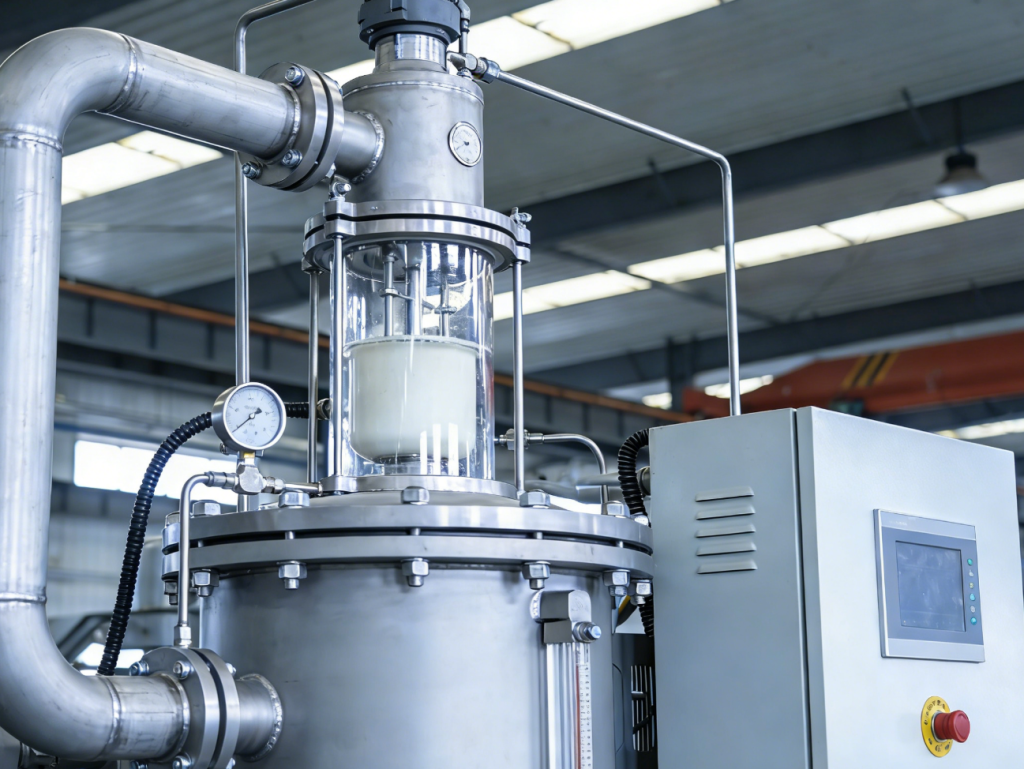
A blanketing system is elegantly simple. A pressure regulator maintains a slight positive pressure—usually 0.5 to 2 inches of water column—in the tank vapor space. When the liquid level drops (during pump-out or consumption), the pressure falls, and the regulator admits nitrogen to restore the setpoint. When the tank is filled, excess gas vents through a pressure relief valve. The blanket is maintained continuously, with no operator intervention.
III. Materials That Need Blanketing
Not every chemical needs nitrogen blanketing. But for those that do, it’s essential.
Oxygen-sensitive materials
Many organic compounds oxidize readily. Aldehydes can form carboxylic acids. Amines may develop color bodies. Phenolic compounds darken with oxygen exposure. For these materials, blanketing preserves both chemical integrity and appearance.
Moisture-sensitive materials
Hygroscopic chemicals absorb water from humid air. Anhydrous solvents like tetrahydrofuran (THF), diethyl ether, and methylene chloride degrade when exposed to moisture. Inorganic compounds like calcium chloride or sodium hydride react vigorously with water. For these, a dry nitrogen blanket is essential.
Flammable materials
Any flammable liquid stored above its flash point presents a fire risk if the vapor space contains oxygen. Gasoline, solvents, and many petrochemical intermediates require blanketing for safety. The goal is to keep oxygen below the limiting oxygen concentration (LOC) for that specific material.
High-purity and specialty chemicals
Pharmaceutical intermediates, electronic-grade chemicals, and food ingredients demand purity that air contamination would compromise. For these products, blanketing isn’t optional—it’s a quality requirement.
Materials prone to polymerization
Monomers like styrene, acrylic acid, and vinyl acetate can polymerize if exposed to oxygen. Blanketing prevents this unwanted reaction, extending storage life and maintaining product quality.
Corrosive materials
Some chemicals—like hydrochloric acid or chlorine—react with moisture to form corrosive compounds that attack tanks and equipment. A dry nitrogen blanket keeps moisture out, protecting both product and infrastructure.
IV. How to Size a Nitrogen Blanketing System
Sizing a blanketing system requires understanding both the tank and the process. The goal is to ensure the system can maintain blanket pressure under all operating conditions, from normal thermal breathing to peak pump-out events.
Normal blanket demand comes from two sources. Thermal breathing occurs as ambient temperature changes—the tank “breathes,” expelling gas when warm and drawing in gas when cool. The amount varies with tank size, insulation, and local climate. Dissolved gases escaping from the liquid add a small continuous load. Together, these constitute the baseline demand that the system must meet continuously.
Peak demand occurs during liquid withdrawal. When product is pumped out, the vapor space expands, and nitrogen must fill that volume to maintain pressure. The flow rate needed equals the pump-out rate, adjusted for vapor space volume and pressure requirements. For large tanks or rapid transfers, this peak can be substantial—often dwarfing normal demand.
Once both normal and peak demands are calculated, add a safety margin of 20-30%. This accounts for unknown factors, future changes, and potential leaks. It also ensures the system can handle unusual events like emergency pump-out or a stuck pressure regulator that might otherwise starve the blanket.
Here’s an example. A chemical storage tank holds 100,000 gallons of solvent. The normal pump-out rate is 200 gallons per minute. Peak nitrogen demand during pump-out is approximately 200 scfm. Adding 20% margin brings the requirement to 240 scfm. A nitrogen generator sized for 250 scfm at 95-98% purity would serve this application well.
V. Nitrogen Purity for Chemical Blanketing
Unlike some industrial applications, chemical blanketing doesn’t always require high-purity nitrogen.
Typical purity needs
For fire prevention in hydrocarbon storage, 95-98% nitrogen (2-5% oxygen) is usually sufficient. This reduces oxygen concentration from 21% to well below the flammability limit. For moisture-sensitive materials, the nitrogen must be dry—but purity can be lower. For oxygen-sensitive materials, higher purity (99%+) may be needed.
When higher purity matters
Pharmaceutical intermediates, electronic chemicals, and some specialty materials require oxygen levels below 0.5-1.0%. This demands 99-99.5% nitrogen. Some very sensitive applications—like certain monomers—may need 99.9% or better.
Purity vs. cost trade-off
Higher purity requires more compressed air, larger equipment, and greater energy consumption. A system delivering 99.9% nitrogen might cost twice as much to operate as one delivering 95%. Specifying the right purity for your application avoids unnecessary expense.
Membrane vs. PSA for blanketing
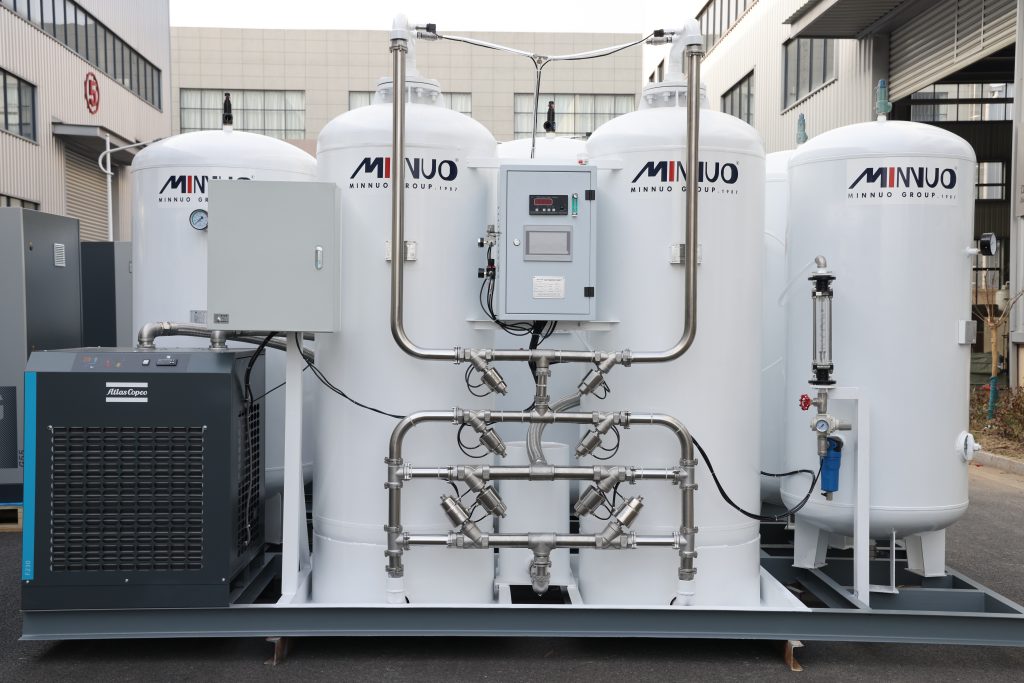
Membrane nitrogen generators produce 95-99.5% nitrogen, making them ideal for most chemical blanketing applications. They’re simple, reliable, and require minimal maintenance. PSA generators are better suited for applications requiring higher purity (99.5%+). For typical chemical storage, membrane technology is often the best choice.
VI. System Design and Integration
A blanketing system is more than just a nitrogen source. Several components work together to protect the tank.
The blanketing regulator
The heart of the system is a specialized pilot-operated regulator that maintains precise low pressure—typically measured in inches of water column, not PSI. It must respond quickly to pressure changes and operate reliably without hunting or sticking. For critical applications, redundant regulators ensure continuous protection.
Pressure/vacuum relief valves
The tank needs protection from overpressure (if the regulator fails) and vacuum (if the tank cools rapidly or nitrogen supply fails). Pressure/vacuum relief valves provide this protection, sized to handle the maximum expected flow.
Monitoring and alarms
For critical applications, continuous monitoring is essential. Pressure transmitters alert operators if blanket pressure deviates from setpoint. Oxygen analyzers in the vapor space confirm that oxygen levels remain safe. Low-pressure alarms indicate nitrogen supply issues before the blanket is compromised.
Integration with plant systems
Blanket systems can be integrated with plant distributed control systems (DCS). Alarms can be annunciated in the control room. Data logs show blanket performance over time, valuable for safety audits and process improvement.
VII. Safety Considerations
Nitrogen blanketing improves safety—but the systems themselves require careful attention.
Oxygen deficiency hazard
Nitrogen is not toxic, but it displaces oxygen. Leaks in confined spaces can create oxygen-deficient atmospheres. Any area with nitrogen systems should have adequate ventilation and oxygen monitoring. Personnel should be trained on nitrogen safety.
Regulator failure modes
Blanketing regulators can fail in two ways: open (admitting too much nitrogen) or closed (admitting none). Open failure overpressures the tank, but relief valves protect it. Closed failure loses the blanket. For critical applications, redundant regulators with automatic changeover address this risk.
Venting considerations
The gas vented from tanks during filling contains product vapors. Vent stacks must be located safely, away from ignition sources and personnel. Some applications require vapor recovery or treatment.
Maintenance isolation
Blanketing systems need periodic maintenance. Isolation valves allow the system to be serviced without emptying the tank or interrupting operations. Proper lockout/tagout procedures apply.
FAQ
Q1: What purity of nitrogen is needed for chemical blanketing?
A1: For most applications, 95-98% nitrogen is sufficient. Fire prevention needs oxygen below 8-10%. Moisture protection needs dry gas, not high purity. Some oxygen-sensitive chemicals require 99% or higher. Match purity to your material.
Q2: How much nitrogen does a blanketing system use?
A2: Usage varies widely. A small storage tank might use 10-20 scfm average. A large tank with frequent transfers could use hundreds of scfm. The main driver is pump-out rate—every gallon pumped out requires about 8-10 standard cubic feet of nitrogen.
Q3: Can I use a membrane generator for chemical blanketing?
A3: Yes. Membrane generators produce 95-99.5% nitrogen, which covers most blanketing applications. They’re reliable, low-maintenance, and well-suited to continuous operation. For applications requiring higher purity (99.5%+), PSA may be needed.
Q4: What pressure should a blanketing system maintain?
A4: Typical setpoints are 0.5 to 2 inches of water column (about 0.02 to 0.07 PSI). The exact pressure depends on tank design and relief valve settings. Never exceed the tank’s design pressure rating.
Q5: Do I need an oxygen analyzer on my blanketed tank?
A5: For non-critical materials, no. For flammable materials or products where oxygen contamination matters, yes. An oxygen analyzer provides direct confirmation that the blanket is effective. Many plants use them for safety compliance.
Q6: What happens if the nitrogen supply fails?
A6: The blanket pressure drops. When pressure falls below setpoint, the tank may draw in air, compromising the protected atmosphere. For critical applications, redundant nitrogen sources (dual generators, liquid backup) prevent this. Monitoring and alarms ensure operators know when supply is interrupted.
Q7: How often should blanketing systems be inspected?
A7: Monthly: visual inspection of regulators, relief valves, and piping. Annually: functional testing of regulators, relief valve setpoint verification, and calibration of monitoring instruments. For critical applications, more frequent checks are warranted.
Conclusion
Chemical blanketing is a simple concept with profound benefits. A layer of nitrogen protects sensitive materials from oxidation, moisture, and contamination—preserving quality, extending storage life, and preventing safety incidents.
The technology is mature. The components are reliable. And with an on-site nitrogen generator, the supply is continuous and predictable. No cylinders to change. No liquid deliveries to coordinate. Just pure, dry nitrogen, ready when needed.
For chemical manufacturers, the investment in on-site nitrogen generation for blanketing pays back in quality assurance, operational reliability, and peace of mind.
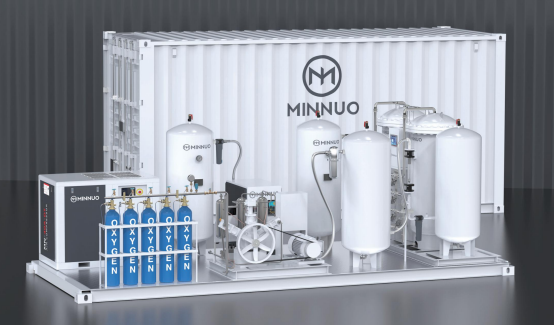
At MINNUO, we help chemical plants design and implement nitrogen blanketing systems. From generator sizing to regulator selection to integration with your process controls, we focus on solutions that protect your materials and your operations. Because we know that when your sensitive materials are protected, your product quality is assured.


 sales2:+86 17506119168