
I. Introduction
Seeds are living organisms. Even in storage, they breathe, consuming oxygen and slowly depleting their energy reserves. Over time, viability declines. Germination rates fall. Seeds that once promised a bountiful harvest become worthless.
For seed banks, agricultural companies, and research institutions, preserving seed viability is mission-critical. A rare heirloom variety lost forever. A season’s investment in hybrid seed wasted. Years of breeding work undone.
Traditional storage—cool, dry, dark—helps but doesn’t stop the clock. For long-term preservation, something more is needed: an inert atmosphere.
Nitrogen storage dramatically slows seed respiration, extends viability, and protects against pests and mold. For seed banks holding rare and endangered varieties, nitrogen is the difference between preservation and extinction.
This guide explains how nitrogen generators preserve seed viability, what purity and conditions are needed, and how to size a system for seed storage.
II. Why Seeds Need Special Storage Conditions
Seeds are not inert. They are alive, and their viability depends on storage conditions.
Seed respiration
Seeds respire continuously, consuming oxygen and releasing carbon dioxide, water, and heat. The rate of respiration depends on:
| Factor | Effect on Respiration |
| Temperature | Higher temperature = faster respiration |
| Moisture content | Higher moisture = faster respiration |
| Oxygen concentration | Higher oxygen = faster respiration |
| Seed quality | Damaged seeds respire faster |
Every respiration cycle consumes stored energy reserves. Eventually, the seed runs out of energy and dies. Reducing respiration rate extends viability.
Oxidation
Oxygen reacts with seed oils, causing rancidity. Oxidized oils lose nutritional value and can damage seed tissues. The result is reduced germination rates and weaker seedlings.
Pests and pathogens
Insects, fungi, and bacteria thrive in oxygen-rich environments. Mold can destroy stored seeds in weeks. Insects bore into seeds, consuming the embryo.
Moisture
High moisture accelerates respiration and promotes mold. Low moisture slows respiration but can damage seeds if too dry. The ideal moisture content varies by species.
The ideal storage environment
- Low oxygen (to slow respiration, prevent oxidation, kill pests)
- Low temperature (to slow biological processes)
- Appropriate moisture (species-specific)
- Dark (to prevent light damage)
Nitrogen creates the low-oxygen environment. Combined with cold storage, it provides ideal preservation conditions.
III. How Nitrogen Preserves Seed Viability
Nitrogen storage works by displacing oxygen.
The principle
Seeds require oxygen to respire. Remove oxygen, and respiration slows dramatically—almost to a stop. The seed enters a suspended state, consuming minimal energy reserves.
Oxygen thresholds for seed storage
| Oxygen Level | Effect |
| 21% (air) | Normal respiration, normal aging |
| 5-10% | Slowed respiration, extended viability |
| 1-2% | Minimal respiration, maximum preservation |
| <1% | Respiration nearly stopped |
For long-term preservation, target 1-2% oxygen (98-99% nitrogen) .
How nitrogen kills pests
Insects and mold also require oxygen. At oxygen levels below 2-3%, insects die—eggs, larvae, and adults. Mold stops growing. Unlike chemical fumigants, nitrogen leaves no residue and creates no resistance.
The combination effect
Cold storage slows respiration further. For every 5°C reduction, respiration rate approximately halves. The combination of low oxygen and low temperature provides the longest preservation.
Typical storage protocols
| Storage Type | Temperature | Oxygen | Expected Viability |
| Short-term (months) | 10-15°C | Air | 80-90% after 1 year |
| Medium-term (years) | 5-10°C | 5-10% | 70-85% after 3 years |
| Long-term (decades) | -20 to 0°C | 1-2% | 90%+ after 10+ years |
| Genebank standard | -20°C | 1-2% | 50-100 years for many species |
IV. Types of Seed Storage Using Nitrogen
Different applications have different needs.
Seed banks (genebanks)
The most demanding application. Genebanks preserve genetic diversity—thousands of seed varieties, some irreplaceable. Seeds are dried to optimal moisture, sealed in airtight containers, and stored in cold rooms with nitrogen atmosphere.
| Feature | Typical Requirement |
| Temperature | -20°C to 0°C |
| Oxygen | <2% |
| Moisture | 3-7% (species-dependent) |
| Container | Hermetically sealed |
Commercial seed storage
Seed companies store inventory between growing seasons. Nitrogen extends viability, reducing the need to produce fresh seed annually.
Research collections
Universities and research institutions maintain seed collections for breeding programs. Nitrogen preserves unique genetic lines for years.
Disaster backup
Some genebanks maintain duplicate collections in separate locations. Nitrogen storage allows long-term preservation without continuous power (if containers are sealed).
Heritage and heirloom seeds
Smaller-scale preservation for rare varieties. Nitrogen can be supplied from cylinders or small generators.
V. Nitrogen Purity and Storage Conditions
Seed storage has specific requirements.
Purity requirements
| Application | Recommended Purity | Oxygen Residual |
| Short-term commercial storage | 95-98% | 2-5% |
| Medium-term genebank | 98-99% | 1-2% |
| Long-term genebank | 99% | <1% |
For genebank standards, 99% nitrogen (1% oxygen) is typical.
Moisture is critical
Nitrogen does not dry seeds. Seeds must be dried before storage. The optimal moisture content varies:
| Seed Type | Optimal Moisture for Storage |
| Cereals (wheat, rice, corn) | 5-8% |
| Legumes (beans, peas, soy) | 5-7% |
| Oilseeds (sunflower, canola) | 4-6% |
| Vegetables | 3-7% (species-dependent) |
Too dry, and seeds die. Too wet, and respiration continues.
Container requirements
Seeds are stored in airtight containers:
- Foil laminate bags (for smaller quantities)
- Glass vials (for genebank accessions)
- Metal cans (for larger quantities)
- Plastic containers with oxygen barriers
The container must maintain the nitrogen atmosphere and exclude moisture.
Monitoring
Oxygen sensors inside storage containers or rooms confirm that conditions remain within specification. For genebanks, continuous monitoring with alarms is standard.
VI. Nitrogen Generator vs. Cylinders for Seed Storage
Seed banks face the same choice as industrial users.
Cylinders
| Advantage | Disadvantage |
| No equipment cost | Ongoing cylinder cost |
| Simple to start | Cylinder handling |
| High purity available | Supply interruptions |
| — | Space for storage |
| — | Manual changeover |
On-site generator
| Advantage | Disadvantage |
| Unlimited supply | Higher upfront cost |
| No deliveries | Requires compressed air |
| No cylinder handling | Maintenance required |
| Lower long-term cost | — |
| Consistent purity | — |
When to choose generator
For small collections (a few hundred accessions), cylinders may be practical. For seed banks with thousands of accessions or commercial operations with continuous storage needs, generators are more economical.
Payback example
A genebank uses 10 cylinders per month at $100 each: $12,000/year. A small membrane generator costs $8,000 installed, plus $1,500/year for electricity and maintenance. Payback: less than one year.
VII. Sizing a Nitrogen Generator for Seed Storage
Sizing depends on storage volume and purge frequency.
Continuous purge vs. sealed containers
For sealed containers (bags, vials, cans), nitrogen is used only to purge the container before sealing. Usage is low.
For room-scale storage (a cold room filled with seeds), nitrogen must be supplied continuously to maintain the atmosphere.
Example 1: Sealed container storage
Each container requires a brief purge before sealing. A seed bank accession might need 0.5-2 cubic feet of nitrogen. With 10,000 accessions per year, total nitrogen is 5,000-20,000 cubic feet annually. A small generator (0.5-2 CFM) suffices.
Example 2: Room-scale storage
A 1,000 cubic foot cold room purged to 1% oxygen requires approximately 4,000 cubic feet of nitrogen. If purged monthly, annual usage is 48,000 cubic feet. A 2-5 CFM generator handles this easily.
Compressed air requirement
A membrane generator requires 4-6 times the nitrogen output in compressed air. A 2 CFM nitrogen generator needs 8-12 CFM of compressed air at 100 PSI.
FAQ
Q1: How long can seeds be stored in nitrogen?
A1: For many species, properly dried and stored at low temperature with nitrogen, seeds remain viable for 50-100 years. The Svalbard Global Seed Vault uses natural cold plus sealed packaging to preserve seeds for centuries.
Q2: What purity of nitrogen is needed for seed storage?
A2: For long-term genebank storage, 99% nitrogen (1% oxygen) is typical. For shorter-term commercial storage, 95-98% may suffice. Target oxygen level depends on desired storage duration.
Q3: Does nitrogen affect seed germination?
A3: No. Nitrogen is inert and does not damage seed tissues. When removed from storage and exposed to air, seeds germinate normally. In fact, nitrogen storage preserves germination rates far better than conventional storage.
Q4: Can I use a membrane generator for seed storage?
A4: Yes. Membrane generators produce 95-99.5% nitrogen, which covers the range needed for most seed storage applications. For genebanks requiring 99%+, a PSA generator may be needed.
Q5: Do I also need refrigeration?
A5: For long-term preservation, yes. Low temperature and low oxygen work synergistically. Cold alone slows respiration; oxygen reduction stops it. The combination provides the longest viability.
Q6: How do I know if my seeds are dry enough for nitrogen storage?
A6: Use a moisture meter. Target moisture varies by species. As a general rule, 5-7% for most seeds. Too dry, and seeds die. Too wet, and respiration continues. Consult species-specific guidelines.
Q7: Is nitrogen storage expensive?
A7: For large-scale or long-term storage, nitrogen is economical. The upfront cost of a generator is offset by eliminated cylinder costs and extended seed viability. For genebanks preserving irreplaceable genetic material, cost is secondary to preservation certainty.
Conclusion
Seeds are the foundation of agriculture. Their preservation is essential—for food security, genetic diversity, and agricultural research. Traditional storage slows decline but does not stop it.
Nitrogen storage changes the equation. By removing oxygen, nitrogen stops respiration, prevents oxidation, kills pests, and preserves viability. Seeds stored in nitrogen can remain viable for decades or centuries.
For seed banks protecting rare varieties, for seed companies preserving inventory, and for researchers maintaining genetic lines, nitrogen is not a luxury. It’s a necessity.
The technology is proven. The economics are favorable. And the mission—preserving life—is worthy.
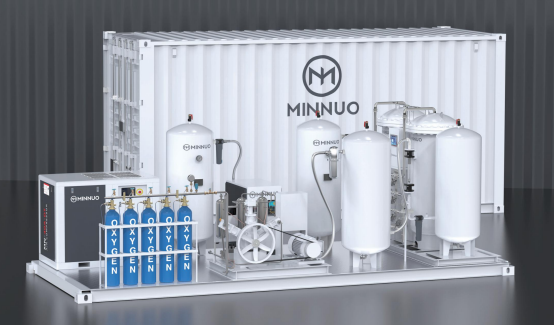
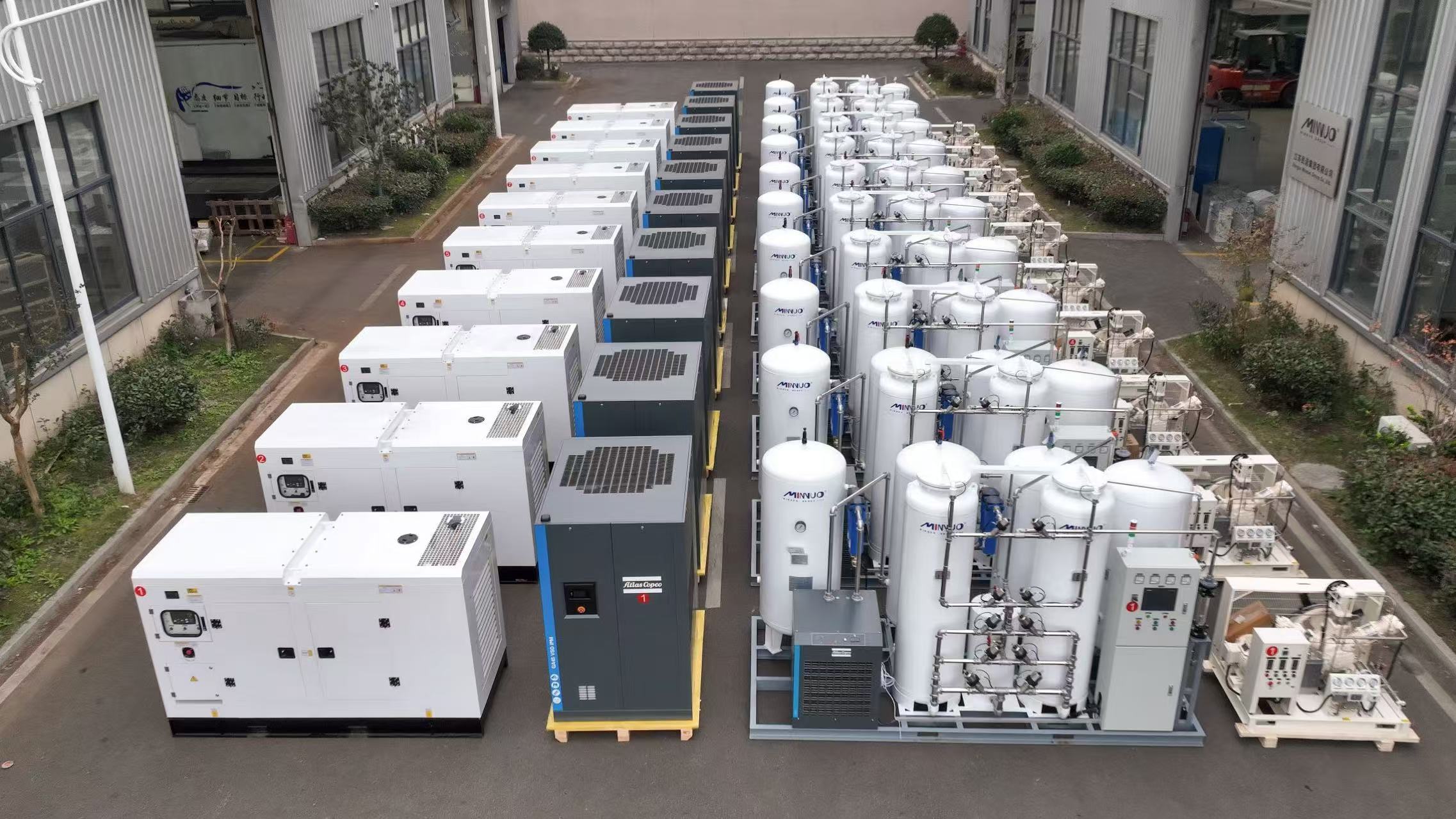
At MINNUO, we help seed banks, agricultural facilities, and research institutions implement nitrogen generation for seed storage. From small membrane generators for accession processing to larger systems for cold rooms, we focus on solutions that protect your seeds for generations. Because we know that in seed preservation, every viable seed is a future harvest.


 sales2:+86 17506119168