
Edible oil oxidation is a race against time that begins the moment oil is pressed from the seed or fruit. Oxygen attacks unsaturated fatty acids, triggering a chain reaction that produces peroxides, aldehydes, and ketones. These compounds are responsible for the stale, paint-like, or metallic off-flavors that consumers recognize instantly as rancidity. Once oxidation reaches the sensory threshold, the product is lost. No amount of downstream processing can reverse the damage. Nitrogen sparging stops this chain reaction before it begins by removing dissolved oxygen from the oil and maintaining an inert atmosphere through every subsequent processing step. For edible oil producers, nitrogen is not a quality upgrade. It is a production necessity.
I. The Chemistry of Rancidity: Why Oxygen Is the Enemy
Edible oils are primarily triglycerides—three fatty acid chains attached to a glycerol backbone. The fatty acids may be saturated, monounsaturated, or polyunsaturated. The polyunsaturated fatty acids are nutritionally valuable but chemically vulnerable. Each carbon-carbon double bond in the fatty acid chain is a potential reaction site for oxygen.
Oxidation proceeds through three distinct stages. Initiation occurs when a fatty acid free radical forms, typically catalyzed by heat, light, or trace metals such as iron and copper naturally present in the oil. The free radical reacts with molecular oxygen to form a peroxyl radical. Propagation follows as the peroxyl radical attacks another fatty acid molecule, generating a hydroperoxide and a new free radical. This new radical repeats the cycle. A single initiation event can oxidize hundreds of fatty acid molecules before termination finally occurs, when two free radicals react with each other to form a stable, non-radical product.
The hydroperoxides formed during propagation are themselves unstable. They decompose to form aldehydes, ketones, alcohols, and short-chain fatty acids. These secondary oxidation products are volatile and odorous. Hexanal, for example, is characteristic of oxidized soybean and sunflower oils. Heptanal and nonanal contribute to oxidized olive oil aromas. The human nose detects these compounds at parts-per-billion concentrations.
The oxidation rate depends on the fatty acid composition of the oil, with oils high in linolenic acid such as flaxseed and perilla oils oxidizing far faster than oils high in oleic acid such as high-oleic sunflower and olive oils. Temperature, light exposure, and dissolved oxygen concentration all accelerate the process. The practical implication for oil processors is that oxygen must be excluded at every stage from refining to packaging.
II. The Three Nitrogen Protection Zones in Oil Processing
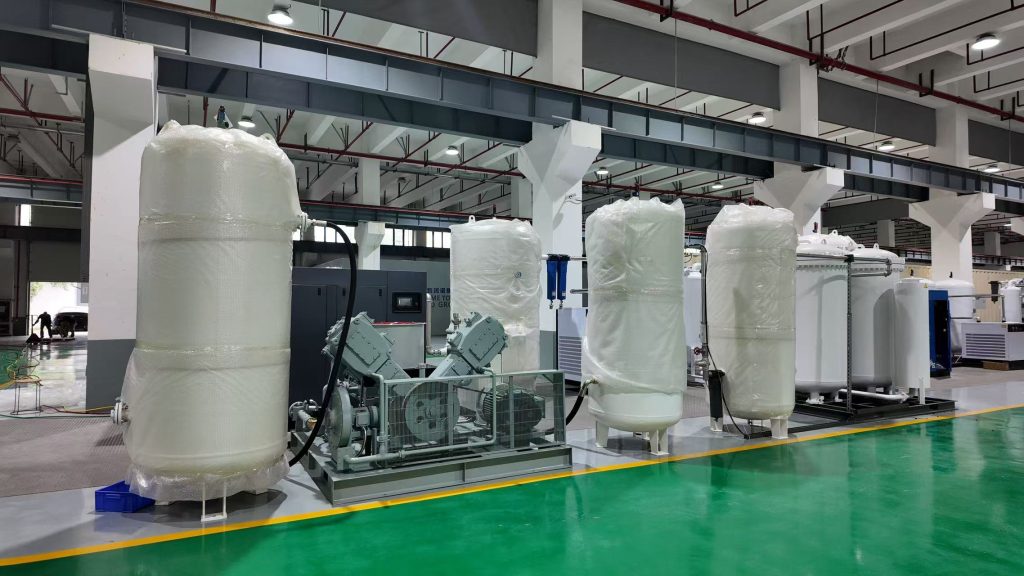
Nitrogen protects edible oil at three distinct stages, each with different requirements for nitrogen purity, flow rate, and application method.
The first protection zone is storage after refining. Refined, bleached, and deodorized oil leaves the deodorizer at high temperature, low in dissolved oxygen but vulnerable. As the oil cools in storage tanks, it breathes. Thermal contraction draws ambient air into the tank headspace. Without blanketing, the oil surface is exposed to 21% oxygen. Nitrogen blanketing maintains a continuous low-pressure nitrogen atmosphere in the storage tank headspace, preventing oxygen ingress during breathing cycles and protecting the oil during storage that may last days or weeks before bottling.
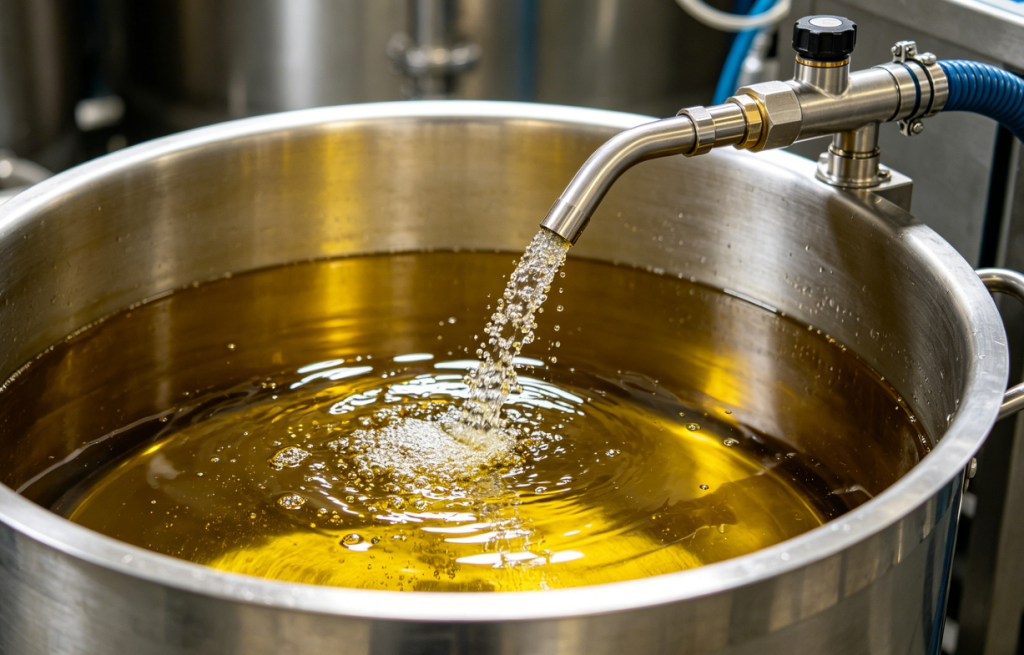
The second protection zone is the transfer and processing line between storage and packaging. Oil flowing through pipes and pumps can entrain air. Mechanical agitation during pumping accelerates oxygen dissolution. Inline nitrogen sparging—injecting fine nitrogen bubbles directly into the oil stream—strips dissolved oxygen from the oil before it reaches the bottling line. The nitrogen bubbles provide a large gas-liquid interface for oxygen mass transfer, carrying the desorbed oxygen away to the headspace vent.
The third protection zone is the bottle or package itself. After filling, the headspace above the oil contains air unless it is flushed with nitrogen. Headspace nitrogen flushing replaces this air with inert gas, removing the oxygen that would otherwise dissolve into the oil during distribution and shelf storage. For products with significant headspace volume relative to oil volume, such as bottled oils with ullage for expansion, this flushing step is as important as the sparging upstream.
III. How Nitrogen Sparging Works
Nitrogen sparging is a mass transfer operation. The objective is to reduce the dissolved oxygen concentration in the oil from whatever level it has reached—typically 6 to 8 milligrams per liter for oil exposed to air—to below 0.5 milligrams per liter, and ideally below 0.2 milligrams per liter for oils intended for long shelf life.
The driving force for oxygen removal is the difference between the oxygen partial pressure in the nitrogen bubbles and the dissolved oxygen concentration in the oil. Pure nitrogen entering the sparger contains essentially zero oxygen. The dissolved oxygen in the oil diffuses across the gas-liquid interface into the nitrogen bubbles, which rise through the oil and exit at the headspace.
Sparging efficiency depends on several design variables. Smaller nitrogen bubbles provide greater total interfacial area for mass transfer and rise more slowly through the oil, providing longer contact time. Sintered metal spargers producing bubbles of one to three millimeters diameter achieve higher stripping efficiency than drilled pipe spargers producing larger bubbles. Nitrogen flow rate must be sufficient to provide the required interfacial area but not so high as to create turbulent flow that can damage oil quality through shear. Contact time, determined by the tank depth and the bubble rise velocity, influences how close the outlet dissolved oxygen approaches equilibrium with the nitrogen gas.
A well-designed sparging system can reduce dissolved oxygen from saturation levels to below 0.5 milligrams per liter in a single pass. For oils requiring the lowest possible dissolved oxygen—infant formula oils, pharmaceutical-grade oils, long-shelf-life specialty products—a second sparging stage or vacuum degassing followed by nitrogen blanketing may be specified.
IV. Nitrogen Purity Requirements for Edible Oil
Food-grade nitrogen for edible oil processing is specified for both purity and contaminant levels. The requirements are consistent across major food safety standards.
Nitrogen purity of 99% to 99.5% is adequate for the vast majority of edible oil applications. The residual gas is primarily argon, which is inert and has no effect on oil chemistry. For products with extreme sensitivity to oxygen—oils with very high polyunsaturated fatty acid content, nutritional oils formulated for infant use—99.9% nitrogen may be specified. Standard PSA nitrogen generators produce 99% to 99.5% nitrogen, with 99.9% available from high-purity PSA configurations or post-purification.
Oxygen content is the critical parameter. Nitrogen with 0.5% residual oxygen, when sparged through oil, will not reduce dissolved oxygen below the equilibrium concentration corresponding to that gas-phase oxygen partial pressure. For oils requiring dissolved oxygen below 0.5 milligrams per liter, the sparging nitrogen must contain correspondingly low oxygen content.
The nitrogen must also be free of contaminants that could affect oil quality or food safety. Compressor oil carryover into the nitrogen stream would introduce hydrocarbons that can taint oil flavor and potentially form harmful compounds during any heating steps. Oil-free compression is standard for food-grade nitrogen systems. Activated carbon filtration downstream of the PSA unit removes any trace hydrocarbons from ambient air that survived the compression and PSA processes. Sterile filtration at the point of use provides final protection.
V. The PSA Advantage for Oil Processing
On-site PSA nitrogen generation aligns well with the operating profile of edible oil processing facilities. These plants run continuously during harvest and processing campaigns, consuming nitrogen 24 hours per day for weeks or months. The continuous, predictable demand profile matches PSA’s optimal operating mode—steady output at design flow—in contrast to bottled or liquid nitrogen supply, which requires regular deliveries and inventory management.
The cost comparison between PSA nitrogen and delivered liquid nitrogen for edible oil applications follows the same patterns seen in other continuous-use industries. PSA nitrogen costs are dominated by the electricity required to run the air compressor. Liquid nitrogen costs are dominated by the delivered product price, which includes the energy cost of cryogenic separation at a distant plant plus transportation to the oil processing facility. For facilities consuming more than approximately 50 normal cubic meters of nitrogen per hour continuously, PSA typically achieves payback in 18 to 36 months.
Supply security is a secondary benefit that oil processors value highly. A liquid nitrogen tank running empty during a harvest-season processing campaign means oil sitting in storage tanks without inert protection, progressively oxidizing while the next delivery is arranged. PSA nitrogen eliminates this vulnerability. The oil processor controls the nitrogen supply as completely as they control any other utility on site.
VI. Monitoring and Control of Nitrogen Sparging
Effective nitrogen protection requires measurement to verify that the sparging system is achieving its target. Two parameters are monitored.
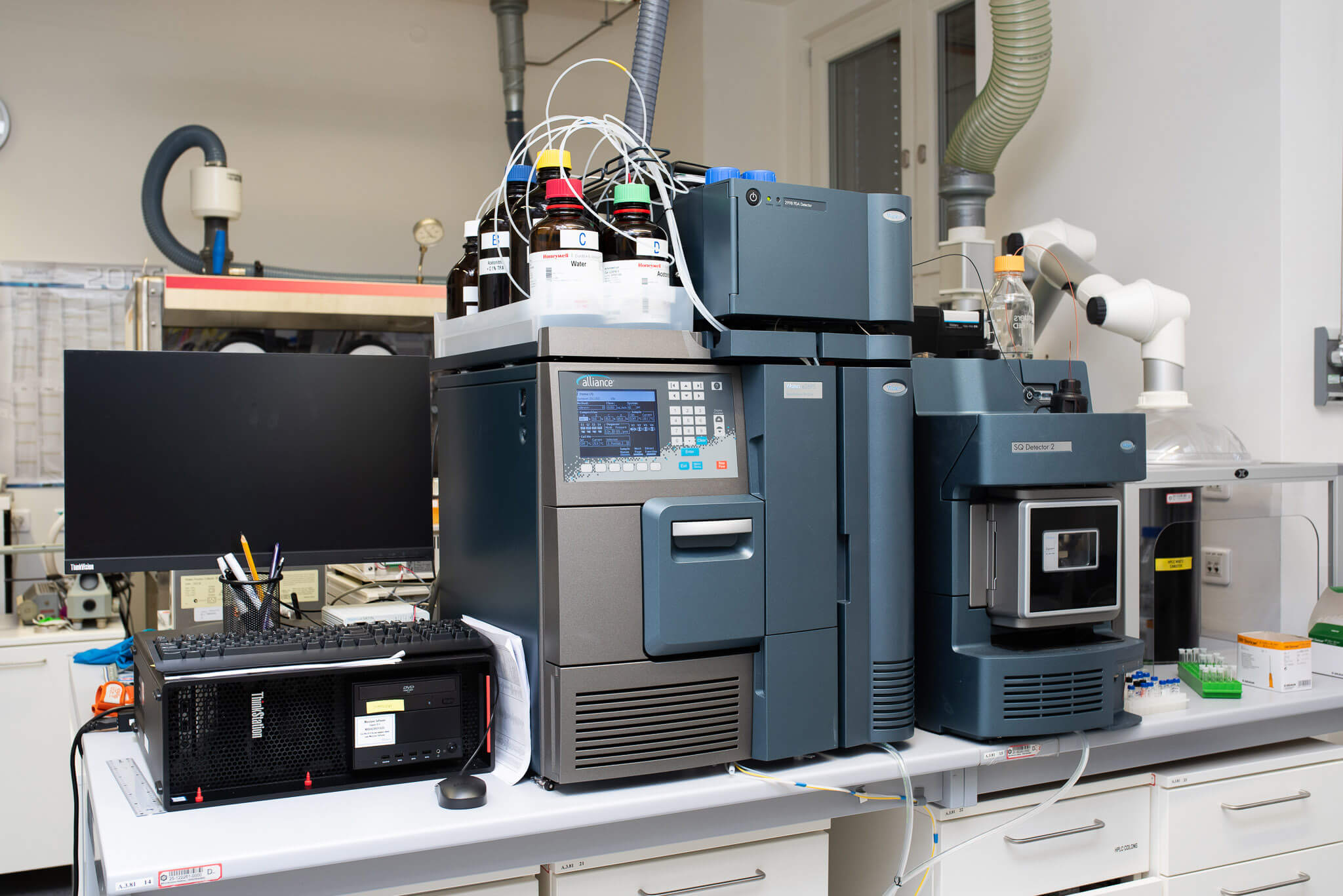
Dissolved oxygen in the oil is measured at the sparging system outlet using an optical dissolved oxygen probe. These sensors, adapted from water treatment technology, provide continuous measurement in oil with appropriate calibration. The target dissolved oxygen level depends on the oil type and the required shelf life, but values below 0.5 milligrams per liter are typical for high-stability products destined for retail distribution. The dissolved oxygen measurement is trended over time to detect sparging system degradation, such as sparger fouling or nitrogen supply issues.
Headspace oxygen in storage tanks and filled bottles is measured periodically to verify that blanketing and flushing systems are functioning. Portable oxygen analyzers or permanently installed sensors provide this measurement. Headspace oxygen above the target level indicates a nitrogen blanketing system problem, a tank or piping leak, or a bottle flushing adjustment needed.
FAQ
Q1: What nitrogen purity is required for edible oil sparging?
Nitrogen of 99% to 99.5% purity is adequate for most edible oil applications. The key parameter is oxygen content in the nitrogen, which must be low enough to achieve the target dissolved oxygen level in the oil. For oils requiring dissolved oxygen below 0.5 milligrams per liter, the nitrogen should contain less than 0.5% oxygen, and preferably less than 0.1% oxygen.
Q2: How much nitrogen does an edible oil facility consume?
Nitrogen consumption depends on oil throughput, storage volume, and the number of nitrogen protection points. A medium-scale oil bottling facility processing 200 tonnes of oil per day might consume 30 to 80 normal cubic meters of nitrogen per hour. Larger integrated facilities with extensive tank farms may consume 100 to 300 normal cubic meters per hour. A nitrogen audit identifying each use point and its flow requirement enables accurate system sizing.
Q3: Can nitrogen sparging replace antioxidants in edible oil?
Nitrogen sparging and blanketing can significantly reduce the need for added antioxidants by removing the oxygen that drives oxidation. In many products, antioxidant levels can be reduced when nitrogen protection is comprehensive throughout processing. However, nitrogen is not a complete substitute in all applications. The decision should be made on a product-specific basis with accelerated shelf-life testing to confirm stability.
Q4: Does nitrogen sparging affect the flavor of edible oil?
No. Nitrogen is tasteless, odorless, and chemically inert with respect to oil. It does not react with fatty acids or other oil components. Properly generated food-grade nitrogen introduces no contaminants that could affect flavor. The effect of nitrogen on oil flavor is purely protective—it prevents the development of off-flavors from oxidation.
Q5: Can existing oil processing equipment be retrofitted with nitrogen sparging?
Yes. Nitrogen sparging can be added to existing storage tanks through the installation of sparger elements and nitrogen supply piping. The retrofit requires access to the tank interior for sparger installation or a tank nozzle of sufficient size for sparger insertion. Headspace blanketing requires nitrogen supply piping and a pressure control valve. The PSA generator and associated equipment are installed on a prepared pad or in an equipment room and connected to the existing nitrogen distribution piping.
Q6: What documentation is required for food-grade nitrogen use in edible oil processing?
Oil processors should maintain nitrogen purity monitoring records, preventive maintenance records for the nitrogen generation and filtration equipment, and where applicable, certifications that the PSA system components contacting the nitrogen stream are suitable for food contact. Major food safety standards including SQF and BRCGS expect documented verification that food-grade gases meet the specified purity requirements.
Conclusion
Nitrogen sparging transforms edible oil shelf life by removing dissolved oxygen before it can initiate the oxidation chain reaction. Combined with storage tank blanketing and bottle headspace flushing, nitrogen creates an oxygen-exclusion shield that protects oil from refining to consumption. The chemistry is well understood, the process technology is mature, and the economic case for on-site PSA generation is compelling for continuous operations. For edible oil producers, the question is no longer whether to use nitrogen, but whether their nitrogen protection is optimized to deliver the longest possible shelf life at the lowest total cost.
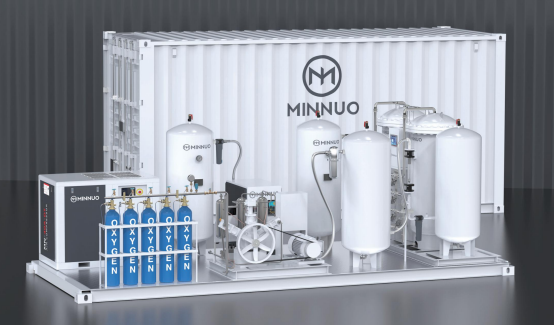
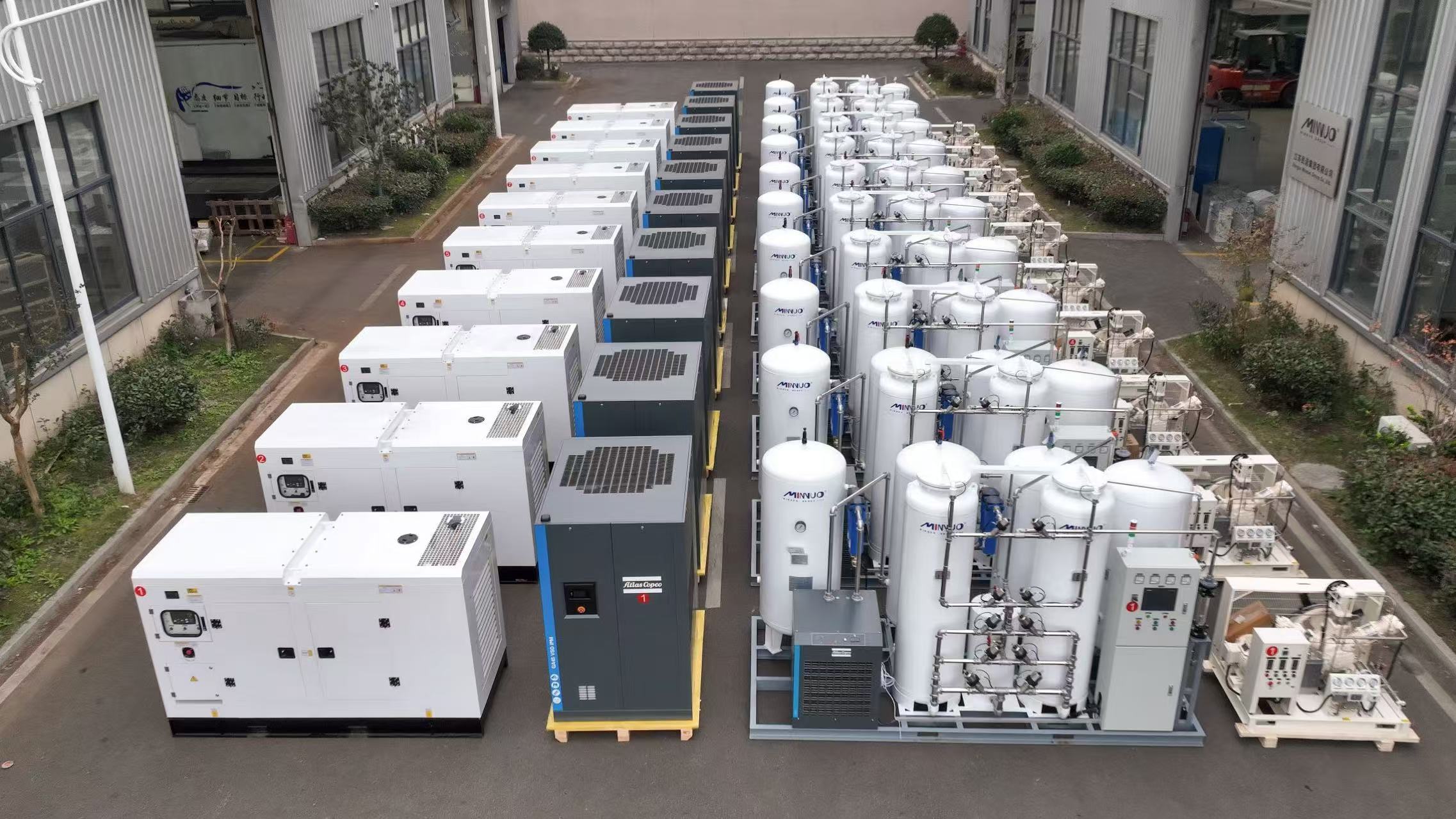
At MINNUO, our PSA nitrogen generation systems are engineered for the food-grade requirements of edible oil processing. From tank blanketing and inline sparging to bottle headspace flushing, our systems deliver the precise nitrogen purity, pressure, and flow rate your process demands at a cost well below delivered liquid nitrogen. We provide complete nitrogen supply solutions including oil-free compression, activated carbon and sterile filtration, and integrated monitoring that verifies nitrogen quality at every protection point. Whether you operate a single bottling line or a multi-plant integrated oil processing enterprise, MINNUO provides the reliable on-site nitrogen supply that protects your product quality and your brand reputation.


 sales2:+86 17506119168