
The financial viability of a modern recirculating aquaculture system (RAS) depends entirely on stocking density and operational efficiency. Traditional surface aeration and ambient air injection fail to sustain industrial-scale fish or shrimp biomass.
To maintain optimal water quality and prevent catastrophic crop failure, commercial facilities must transition to pure oxygen. Implementing an on-site oxygen plant for aquaculture is no longer a luxury; it is a fundamental engineering requirement for profitable, high-density fish farming.
What is a Recirculating Aquaculture System (RAS)?
Direct Answer
A recirculating aquaculture system (RAS) is a land-based fish farming technology that filters and reuses water continuously through a closed-loop engineering design. This controlled environment allows for the high-density rearing of aquatic species while minimizing water consumption.
[Fish Ponds/Tanks] ──> [Mechanical Filtration] ──> [Biofiltration]
         ▲                                                │
         │                                                ▼
[Pure Oxygen Injection] <── [On-Site Oxygen Plant] <── [Gas Stripping (CO2)]
In a recirculating aquaculture system, water flows from the culture tanks through a series of treatment processes. Mechanical filters remove solid waste, while biofilters utilize beneficial bacteria to convert toxic ammonia into harmless nitrates. Gas stripping units remove accumulated carbon dioxide before the water is enriched with pure oxygen and pumped back into the fish tanks.
Why Does RAS Need Pure Oxygen Instead of Ambient Air?
Direct Answer
Recirculating aquaculture systems need pure oxygen because ambient air only contains 21% oxygen, which cannot dissolve fast enough to meet the respiration demands of ultra-high fish biomass. Utilizing a pure oxygen plant for aquaculture allows facilities to achieve over 100% dissolved oxygen saturation, unlocking maximum biological growth.
The Limitation of Ambient Air Aeration
Ambient air contains roughly 21% oxygen and 78% nitrogen. Because the partial pressure of oxygen in ambient air is low, the physical transfer rate of oxygen into water is strictly limited.
Standard paddlewheels and diffusers can only maintain dissolved oxygen (DO) levels up to 100% of air saturation, which translates to roughly 7 to 9 mg/L depending on water temperature. When fish stocking densities exceed 40 kg per cubic meter, the respiration rate of the fish depletes dissolved oxygen faster than ambient air aeration systems can replenish it.
The Pure Oxygen Advantage
Pure oxygen systems deliver gas with an oxygen purity of 90% to 95%. This drastic increase in oxygen partial pressure accelerates the gas transfer rate into the water according to Henry’s Law.
By using pure oxygen, a recirculating aquaculture system can maintain stable dissolved oxygen levels even at stocking densities exceeding 100 kg per cubic meter.
| Operational Metric | Ambient Air Aeration | Pure Oxygen (PSA Oxygen Plant) |
|---|---|---|
| Maximum Stocking Density | Low to Moderate (< 30-40 kg/m³) | High to Ultra-High (> 80-120 kg/m³) |
| Oxygen Transfer Efficiency | Low (Requires high energy input per kg of O2) | High (Optimized gas dissolution via cones/injectors) |
| Risk of Nitrogen Supersaturation | High (Can cause gas bubble disease) | Zero (Pure oxygen displaces dissolved nitrogen) |
| Biomass Growth Rates | Limited by environmental fluctuations | Maximized via stable, optimal DO profiles |
How Pure Oxygen Optimizes Biofiltration Performance
Direct Answer
Pure oxygen optimizes biofiltration performance by providing the continuous, high-concentration oxygen supply required by nitrifying bacteria to process toxic ammonia. Insufficient oxygen in the biofilter stalls the nitrification process, leading to toxic spikes that threaten fish survival.
The Oxygen Demand of Nitrifying Bacteria
Nitrifying bacteria within the biofilter are highly aerobic organisms. To convert 1 kg of toxic ammonia (NH_3) into nitrate (NO_3^-), the biofilter bacteria consume approximately 4.57 kg of dissolved oxygen.
\text{NH}_4^+ + 2\text{O}_2 \rightarrow \text{NO}_3^- + \text{H}_2\text{O} + 2\text{H}^+
If dissolved oxygen levels inside the biofilter drop below 2.0 mg/L, nitrification efficiency plummets significantly. According to recent aquaculture studies, maintaining biofilter DO levels above 4.0 mg/L ensures maximum ammonia conversion rates, directly protecting the aquatic livestock from ammonia poisoning.
The Economic Impact: On-Site PSA Oxygen Plants vs. Liquid Oxygen
Direct Answer
An on-site PSA oxygen plant for aquaculture offers a superior return on investment compared to liquid oxygen delivery by eliminating recurring logistics fees, rental costs, and supply chain disruptions. On-site gas generation allows facilities to produce pure oxygen on demand using simple compressed air.
Liquid Oxygen Delivery:
[Gas Supplier] ──($$$ Logistics)──> [Evaporation Loss] ──> [Tank Rental] ──> [Fish Tank]

On-Site PSA Oxygen Plant:
[Ambient Air] ──(Low Energy Air Compressor)──> [PSA Generator] ──> [Continuous Fish Tank Supply]
Eliminating Supply Chain Vulnerabilities
Relying on liquid oxygen bulk deliveries exposes commercial aquaculture facilities to major logistical risks. Truck delays, weather disruptions, and sudden price surges can jeopardize an entire harvest within hours if oxygen supplies run dry.
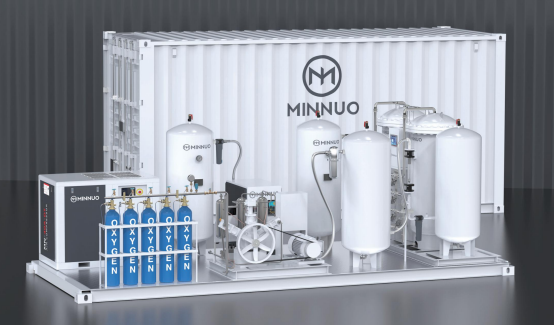
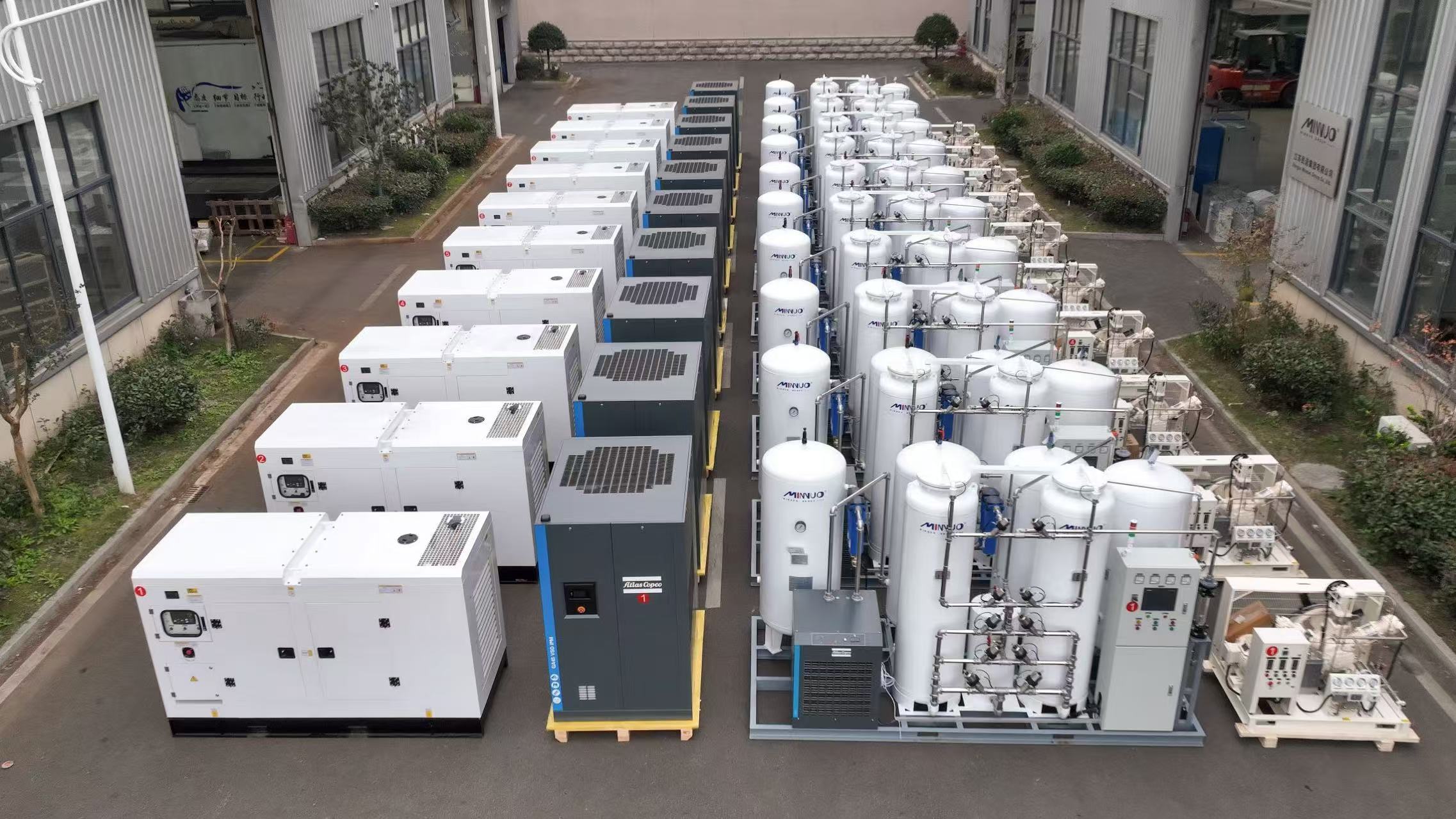
An on-site Pressure Swing Adsorption (PSA) oxygen plant generates oxygen directly from ambient air, providing a self-sufficient, non-stop supply of oxygen.
Long-Term Operational Expenditure (OpEx) Reduction
While the initial capital expenditure for a PSA oxygen plant is higher than installing a liquid oxygen tank, the long-term operational costs are significantly lower.
- No Evaporation Losses: Liquid oxygen tanks continuously vent boiled-off gas, wasting up to 1% to 3% of inventory daily. PSA oxygen plants only produce gas when the recirculating aquaculture system demands it.
- Predictable Energy Costs: The primary cost of running an on-site oxygen plant is the electricity used by the air compressor. Modern PSA systems require as little as 1.0 kWh of electricity per cubic meter of oxygen produced, yielding significant cost savings over a 5-year operational lifecycle.
2026 Trends: Smart Oxygen Plants and Real-Time Aquaculture IoT
Direct Answer
The latest 2026 advancements in aquaculture focus on integrating smart PSA oxygen plants with real-time Internet of Things (IoT) water quality sensors. This integration allows the oxygen plant to automatically adjust its gas output based on live fluctuations in fish respiration and water temperature.
Traditional recirculating aquaculture systems required manual valve adjustments to manage oxygen flow, often leading to over-oxygenation or dangerous drops during peak feeding times.
In 2026, modern commercial facilities leverage automated control loops. When IoT sensors detect a rise in water temperature or an increase in feeding activity, the automated system instructs the PSA oxygen plant to scale up production instantly. This automated synchronization reduces energy waste during low-demand periods, prolongs the service life of the molecular sieves, and ensures a highly stable ecosystem for the livestock.
Frequently Asked Questions (FAQ)
Q: What is the ideal dissolved oxygen level for a recirculating aquaculture system?
A:The ideal dissolved oxygen level depends on the species, but most intensive recirculating aquaculture systems require DO levels between 6.0 mg/L and 9.0 mg/L. It is critical to maintain saturation levels between 90% and 120% throughout the entire culture tank to prevent localized hypoxic zones.
Q: Can an oxygen plant for aquaculture operate in high-humidity coastal environments?
A:Yes, industrial PSA oxygen plants engineered for aquaculture can operate reliably in high-humidity coastal areas. These systems must be configured with heavy-duty air dryers, high-efficiency moisture separators, and corrosion-resistant enclosures to protect the internal zeolite molecular sieves from ambient moisture.
Q: How long do the molecular sieves last in a fish farm PSA oxygen plant?
A:Under proper maintenance conditions, the zeolite molecular sieves in a high-quality PSA oxygen plant will last between 10 and 15 years. Ensuring clean, oil-free, and dry feed air via routine air filter changes is the single most important factor in maximizing molecular sieve longevity.
Conclusion: Securing Your Aquaculture Investment
Implementing a reliable oxygen plant for aquaculture is the foundational step toward mitigating operational risk and maximizing biomass output in a recirculating aquaculture system. By opting for pure oxygen over ambient air, facilities can safely scale up stocking densities, stabilize biofilter performance, and secure long-term profitability. For procurement personnel and technical managers, investing in an on-site PSA oxygen plant delivers a predictable, self-contained, and highly economical solution to modern aquaculture challenges.

 sales2:+86 17506119168