
Introduction
In industrial scenarios such as metal welding, flame cutting, thick plate blanking and steel structure processing, oxygen purity, gas supply stability and sustained pressure directly determine cutting section quality, welding forming effect, operation efficiency and production cost. At present, there are three mainstream oxygen supply modes in the industry: 93% standard PSA oxygen generator, 99.5% high-purity PSA oxygen generator, and cryogenic air separation liquid/bottled oxygen. They differ greatly in technical principles and gas supply characteristics, matching completely different welding & cutting working conditions. This article comprehensively compares their pros and cons from performance, processing effect, cost, operation & maintenance and safety, and clarifies their respective applicable scenarios.
I. 93% Purity Standard PSA Oxygen Generator (Industrial Oxygen-Enriched Gas)
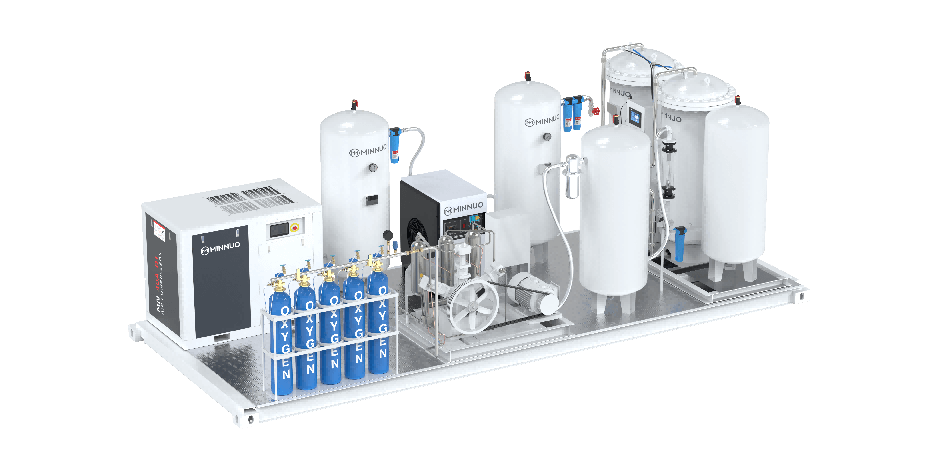
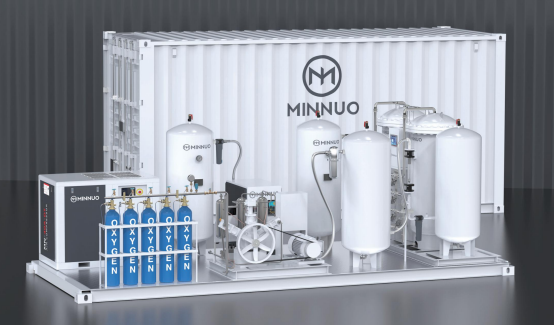
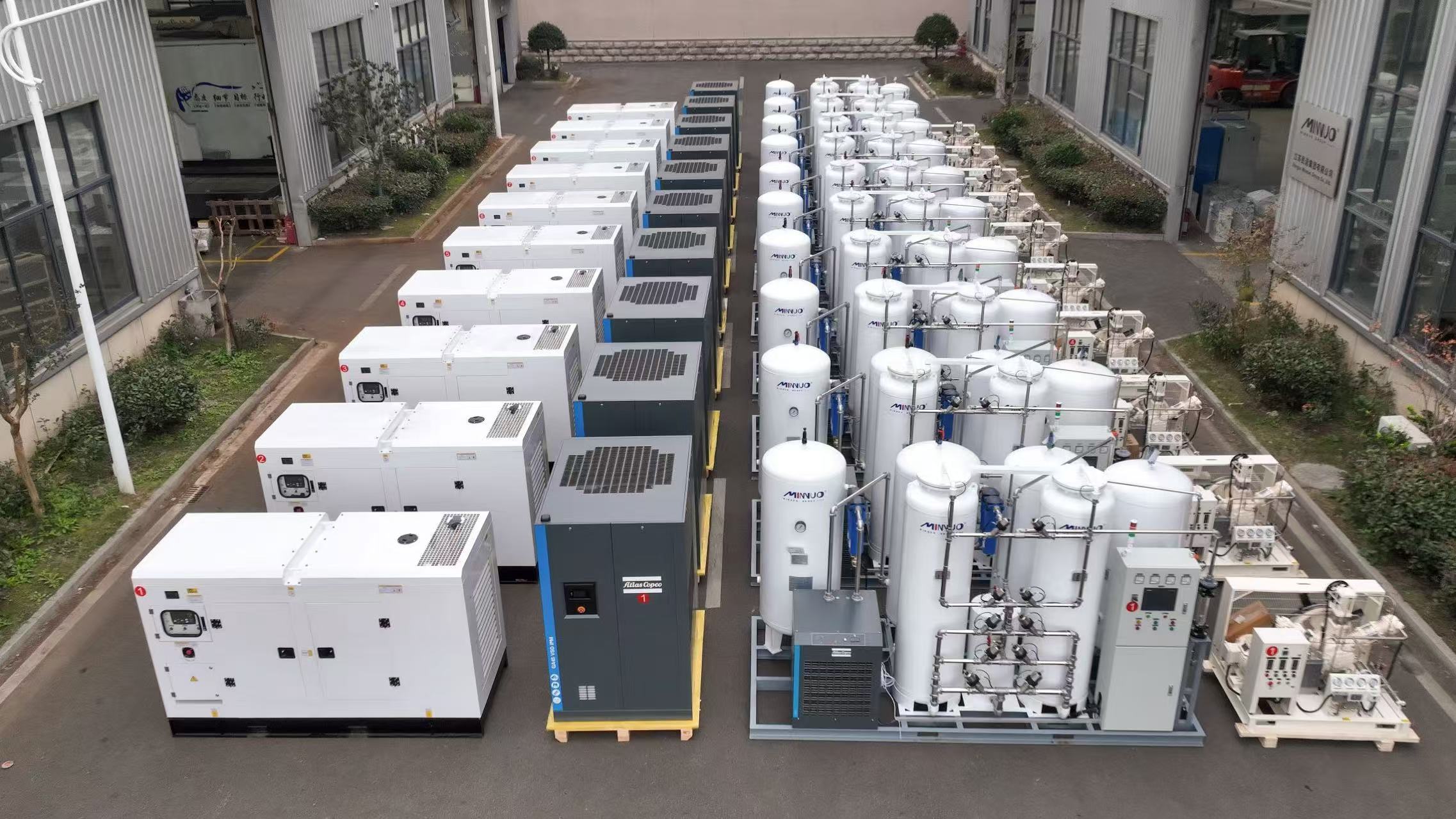
93% PSA oxygen generator is universal on-site oxygen production equipment adopting molecular sieve pressure swing adsorption technology. Its oxygen purity stably maintains at 93%±3%, with nitrogen and argon as residual mixed gas, serving as mainstream oxygen supply equipment for small & medium low-precision processing.
Advantages
- Ultra-low long-term running cost, outstanding cost performance: Oxygen is produced on demand on site, consuming only electricity and compressed air. No oxygen cylinder purchase, transportation or rental fees, and zero residual gas loss. The equipment’s mean time between failures exceeds 50,000 hours, and molecular sieves last 8–10 years, making it ideal for continuous mass production.
- Uninterrupted stable gas supply: Stable oxygen output within minutes after startup, pressure fluctuation less than ±0.05MPa. No production downtime caused by cylinder replacement, supporting 24-hour continuous assembly line cutting and steel structure welding.
- Low safety risks & flexible layout: Free of high-pressure storage cylinders and cryogenic liquid oxygen tanks, eliminating hidden dangers like cylinder explosion, liquid oxygen frostbite and pressure relief hazards. No special storage area required, suitable for small factories and outdoor mobile operations.
- Simple operation & low maintenance threshold: Modular integrated design without specialized operators. Daily maintenance only includes air compressor and filter cartridge replacement, with built-in self-diagnosis and redundant design to avoid shutdown under basic working conditions.
Disadvantages
- Limited by insufficient purity: Around 7% inert gas reduces flame temperature, penetration and concentration. Thick plate cutting tends to form slag and uneven verticality; precision welding easily generates tiny pores, failing high-standard processing.
- Lower cutting & welding efficiency: Slower combustion speed than high-purity oxygen, cutting speed drops by 15%–20% on equal-thickness plates with longer piercing time, dragging down mass blanking efficiency.
- Fixed large footprint, poor mobility: Matched with air compressor, refrigerated dryer and filter system, bulky whole set unsuitable for temporary short-term outdoor welding & cutting.
Applicable Scenarios
Flame cutting of plates under 8mm, ordinary carbon steel rough cutting, auxiliary welding of conventional steel structures, scrap steel dismantling, low-precision flame straightening, kiln combustion supporting; scenes requiring only basic forming without strict section precision.
II. 99.5% High-Purity PSA Oxygen Generator (Industrial High-Purity Oxygen)
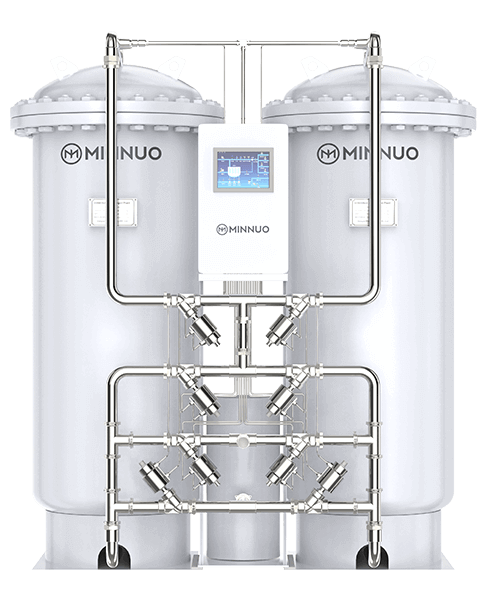
99.5% high-purity PSA oxygen generator is upgraded on-site oxygen equipment optimized by molecular sieve ratio and adsorption circulation process, delivering stable 99.5% oxygen purity close to cryogenic liquid oxygen. It balances the low-cost merit of PSA on-site production and high processing performance, becoming the top choice for mid-to-high-end welding & cutting workshops.
Advantages
- Processing quality comparable to liquid oxygen: Almost no inert gas interference, high flame temperature and strong penetration. Cut surfaces are smooth without slag or oxidation layers with high vertical precision; welding greatly reduces pores and slag inclusion for full weld forming, meeting mid-to-high precision processing standards.
- Optimal comprehensive cost: Retains PSA’s advantages of zero transportation and cylinder fees, while high-purity production cuts unit power consumption by around 20%. It saves 30%–50% long-term gas cost compared with bottled liquid oxygen and eliminates liquid oxygen volatilization loss.
- Superior continuous stable gas supply: Constant pressure and constant purity without pressure drop or purity decay during cylinder replacement, ensuring consistent finished products and lower reject rates for automated cutting & welding lines.
- Balanced safety and universality: No high-pressure cylinders or cryogenic storage tanks with higher safety standards, compatible with most industrial welding and cutting processes.
Disadvantages
- Higher upfront investment: High-precision core components raise equipment cost by 20%–40% vs 93% PSA models, with low return value for short-term small-batch jobs.
- Higher refined maintenance requirements: Strict demands on compressed air cleanliness, requiring regular high-precision filter replacement and parameter calibration.
- Slight gap against ultra-high purity cryogenic oxygen: Tiny trace impurities make it slightly inferior to 99.99% liquid oxygen for aerospace components and ultra-thick plate super-precision cutting.
Applicable Scenarios
High-precision flame cutting of 8–50mm medium & thick plates, premium welding of stainless steel and alloy steel, automated cutting & welding production lines, engineering machinery parts, pressure vessel welding, mass high-quality blanking and other mainstream mid-to-high-end industrial scenarios.
III. Cryogenic Air Separation Liquid & Bottled Oxygen (Ultra-high Purity Industrial Oxygen)
Cryogenic liquid oxygen is manufactured via cryogenic air separation with bottled/tank oxygen purity reaching 99.99%, the classic traditional gas source for welding & cutting, supplied by high-pressure cylinders or cryogenic storage tanks.
Advantages
- Top-tier purity for extreme working conditions: Ultra-low impurity content enables sufficient, stable high-temperature flame, supporting ultra-thick plate precision cutting and defect-free welding of special alloys, the exclusive gas source for top-grade special manufacturing.
- Zero upfront equipment investment, instant usability: No need to purchase oxygen generators, air compressors or supporting units. Factories can rent oxygen cylinders or liquid tanks for temporary jobs without installation cycles.
- High mobility for scattered operations: Portable cylinders fit outdoor construction, field installation and sporadic maintenance, unrestricted by factory power and fixed equipment.
- High output pressure: High-pressure delivery meets the gas demand of ultra-thick plate heavy-duty cutting equipment.
Disadvantages
- Extremely high long-term total cost: Charges include oxygen raw material, cylinder rent, transportation, loading & unloading plus continuous liquid oxygen volatilization waste; overall cost is 2–3 times that of PSA oxygen generators.
- Unstable gas supply hurting product consistency: Gradual pressure drop during single cylinder use, and mandatory shutdown for cylinder switching causing inconsistent cutting sections and welds, lifting reject rates for mass production.
- Prominent safety hazards: High-pressure oxygen cylinders are special equipment with explosion and impact leakage risks; cryogenic liquid oxygen easily causes frostbite, and leaked oxygen intensifies combustion leading to flash fires, raising factory safety management costs.
- Heavy reliance on external suppliers: Vulnerable to delivery delays, logistics restrictions and market price hikes, unable to independently control production schedules.
Applicable Scenarios
Precision welding of special alloys, ultra-precision cutting of plates over 50mm, aerospace component processing, high-end precision structural welding, short-term temporary construction, outdoor sporadic maintenance and small-batch ultra-high-precision processing.
IV. Comprehensive Comparison Table of Three Oxygen Supply Solutions
| Comparison Dimension | 93% PSA Oxygen Generator | 99.5% PSA Oxygen Generator | Cryogenic Liquid / Bottled Oxygen |
| Oxygen Purity | 93%±3 oxygen-enriched | 99.5% industrial high purity | 99.99% ultra-high purity |
| Welding & Cutting Quality | Average, easy slag & tiny pores | Excellent, smooth cuts & full welds | Perfect, zero processing defects |
| Operation Efficiency | Low, slow thick plate machining | High, ideal for mass production | Highest for extreme working conditions |
| Long-Term Gas Cost | Lowest | Relatively low (best value) | Extremely high |
| Gas Supply Stability | Continuous stable output | Optimal constant pressure & purity | Fluctuating, shutdown required for cylinder swap |
| Upfront Equipment Investment | Low | Medium | None (only consumable cost) |
| Safety Level | High, no high-pressure risks | High, fully controllable | Low, high-pressure & combustion risks |
| Suitable Scenarios | Low-precision rough thin plate processing | Mid-to-high precision mass production | Ultra-precision / temporary scattered jobs |
V. Industry Equipment Selection Guidelines
- Long-term ordinary mass processing: Choose 93% PSA oxygen generator to minimize operating cost for basic production demands.
- Regular mid-to-high precision manufacturing: Prioritize 99.5% high-purity PSA oxygen generator, the most cost-effective daily gas supply balancing quality, efficiency and expenditure.
- Ultra-precision special processes & temporary outdoor work: Adopt cryogenic liquid/bottled oxygen to meet extreme high-purity requirements and flexible scattered construction needs.
VI. FAQ
Q1: What is the difference between 93% and 99.5% PSA oxygen for metal cutting?
A1: 93% oxygen contains inert gas, causing slag and low cutting efficiency for thick plates; 99.5% oxygen delivers clean cut surfaces, faster processing and higher finished product yield for medium & thick plates.
Q2: Which oxygen supply mode saves the most money for year-round continuous workshop production?
A2: 99.5% high-purity PSA oxygen generator has the optimal comprehensive cost performance, cutting long-term gas expenditure by 30%–50% compared with bottled liquid oxygen.
Q3: Is cryogenic bottled oxygen safer than PSA on-site oxygen equipment?
A3: No. Bottled oxygen involves high-pressure cylinder explosion, liquid oxygen frostbite and combustion risks, while PSA oxygen generators run under low pressure with fewer hidden safety hazards.
Q4: When should factories select cryogenic liquid oxygen instead of PSA oxygen generators?
A4: Suitable for short-term temporary construction, sporadic outdoor maintenance, aerospace special alloy welding and ultra-thick plate cutting requiring 99.99% ultra-high purity.

 sales2:+86 17506119168