
Introduction
In powder processing and fine material treatment, crushing and grinding are key deep-processing procedures to boost raw material added value. Conventional room-temperature grinding relies on mechanical impact, shear and extrusion. Mechanical energy converts into heat continuously during operation, leading to material temperature rise, adhesion, melting, ingredient degradation and activity loss. Such equipment cannot process heat-sensitive, high-toughness, oil/sugar-rich and oxidizable materials.
The advent of liquid nitrogen cryogenic grinding completely breaks through traditional technical bottlenecks. Based on -196°C ultra-low temperature refrigeration, it forms a complete processing system featuring low-temperature embrittlement and inert atmosphere protection. It has become a core high-end powder processing solution for food, pharmacy, chemical, new material, rubber & plastic recycling and many other industries.
I. Working Principle of Liquid Nitrogen Cryogenic Grinding
Liquid nitrogen grinding follows a two-step logic: cryogenic embrittlement first, precision crushing second, different from brutal room-temperature pulverization.
The system uses industrial liquid nitrogen as cryogen. An accurate temperature control system rapidly cools the grinding chamber and materials down to target embrittlement temperature. The ultra-low temperature alters physical properties of materials: high-toughness, ductile and sticky substances lose elasticity rapidly and reach glass transition state to become brittle and easy to crush.
Under low temperature, molecular bonding force inside materials weakens. Combined with mechanical impact and shearing, efficient fine crushing is realized. Meanwhile, vaporized liquid nitrogen continuously displaces air inside the chamber to form a sealed inert environment, restraining oxidation and eliminating dust explosion risks. Operators can precisely adjust cooling temperature, rotating speed and feeding speed to match embrittlement characteristics and particle size requirements of various materials, guaranteeing uniform and stable grinding results.
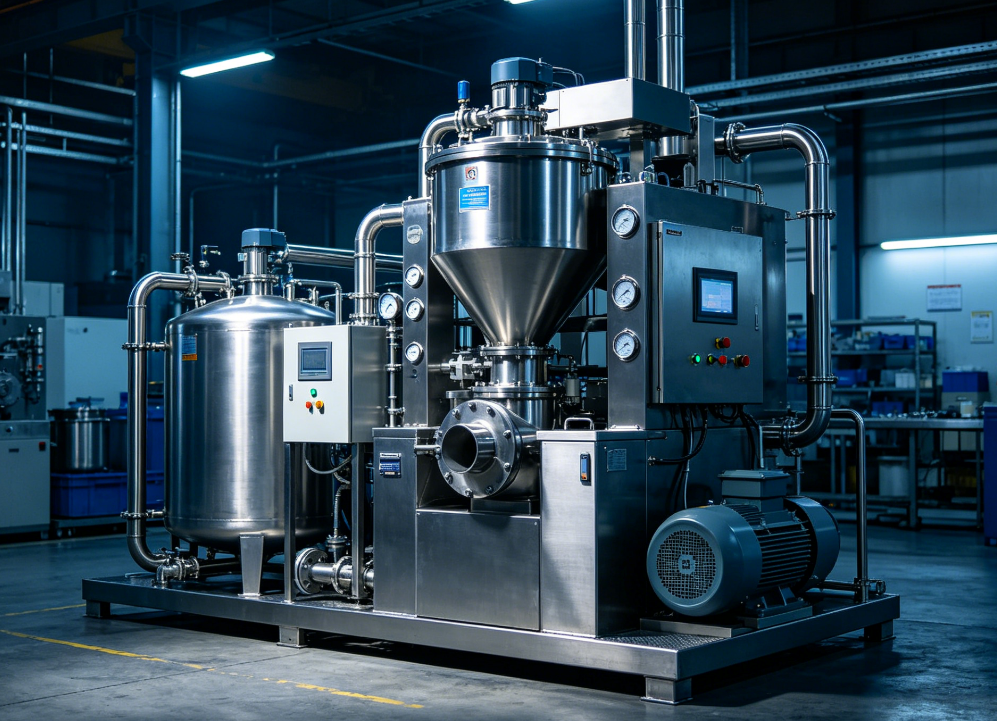
II. Core Application Scenarios of Liquid Nitrogen Grinding Machines
Benefiting from ultra-low temperature, zero temperature rise, anti-oxidation and wide compatibility, liquid nitrogen grinders resolve various pain points of conventional processing for special fine powder materials.
2.1 Food & Agricultural Raw Material Processing
Many food raw materials are rich in oil, sugar, fiber and heat-sensitive nutrients. Room-temperature grinding causes oil leakage, caking, gelatinization, loss of vitamins and discoloration.
Liquid nitrogen rapidly embrittles nuts, sesame, walnuts, cocoa beans, dried fruits, meat and herbal medicines. The full low-temperature process retains original flavor, color and nutrition without oil rancidification or sugar carbonization. It produces superfine powder with excellent solubility, widely applied in functional meal replacement powder, herbal powder, food additives etc.
2.2 Pharmaceutical & Biological Product Grinding
Pharmaceutical manufacturing demands high safety, complete biological activity and high purity. Most APIs, herbal extracts and biological agents are heat-sensitive; room-temperature high heat degrades active ingredients and reduces efficacy.
Constant low-temperature environment protects APIs, herbal active components, bacteria and enzyme preparations from thermal decomposition. The oxygen-free inert chamber avoids oxidation contamination, delivering uniform high-purity powder that meets pharmaceutical cleanliness standards for high-end medicine powder, biological reagents and health product raw materials.
2.3 Rubber & Plastic Waste Recycling
Rubber, plastic and resin feature strong ductility at normal temperature. Traditional grinding only causes deformation and adhesion without effective pulverization.
Ultra-low liquid nitrogen temperature cools polymers below brittle point to lose ductility for easy superfine crushing. This technology recycles waste rubber, silicone and plastic to realize solid waste resource utilization, also serving fine processing of modified composite plastics and greatly improving recycling efficiency and product value.
2.4 Chemical & New Material Powder Manufacturing
Many fine chemical and new material powders are flammable, oxidizable and heat-sensitive. Room grinding brings safety hazards and poor powder quality.
The inert low-temperature atmosphere prevents oxidation and dust explosion of pigments, resin powder, new energy electrode materials, flame retardants and magnetic materials. Precise temperature adjustment produces superfine powder with even particle size and stable performance, meeting strict precision standards of advanced new materials.
III. Key Technical Advantages of Liquid Nitrogen Cryogenic Grinding
Compared with room-temperature grinding equipment, liquid nitrogen pulverizers upgrade processing quality, material compatibility, safety and economic benefits comprehensively.
3.1 Constant Low Temperature to Preserve Original Material Properties
Conventional grinders heat up above 100°C quickly, triggering melting, adhesion and activity loss. The -196°C liquid nitrogen system offsets friction heat to maintain constant low temperature. It fully retains chemical composition, color, flavor and biological activity, ideal for high-end heat-sensitive raw material processing.
3.2 Wide Compatibility for Hard-to-Grind Special Materials
Ordinary crushers only handle hard brittle materials, failing oily, sticky, elastic and oxidizable substances. Cryogenic cooling adjusts material physical state to embrittle rubber, fiber, oily and bioactive materials, covering almost all solid raw materials with far wider application range.
3.3 Superior Powder Quality with Uniform Particle Size
Materials crack evenly under low temperature without stretching or agglomeration. Stepless variable speed and forward-reverse alternating grinding eliminate dead angles. Finished powder features narrow particle size distribution, low CV value and high ultrafine yield, satisfying high-precision requirements of pharmacy, fine chemicals and advanced materials.
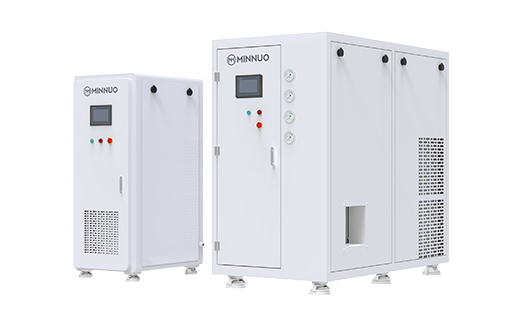
3.4 Inert Environment for Safe, Pollution-Free Production
Vaporized nitrogen expels air to form oxygen-free chamber: prevents material oxidation and deterioration, eliminates dust explosion risks of combustible ultrafine powder. Liquid nitrogen is non-toxic and leaves no residue after vaporization, complying with clean production standards for food and pharmaceutical industries.
3.5 High Productivity with Controllable Energy & Cost
After embrittlement, materials require much less mechanical force, cutting equipment power consumption and boosting crushing speed and yield. Full automation accurately controls liquid nitrogen supply to reduce consumption and material waste, showing prominent cost advantages in mass continuous production.
3.6 Flexible Adjustable Process for Diversified Production
Temperature, rotation speed, feed rate and grinding duration are fully adjustable to produce coarse powder or nano-level ultrafine powder. Matching different grinding media adapts materials of various hardness and cleanliness grades, supporting lab small-batch R&D and large industrial mass production.
IV. Industry Summary & Development Outlook
The powder processing industry is shifting toward refinement, high-end manufacturing, green and safe production, while drawbacks of room-temperature grinding become prominent. Liquid nitrogen cryogenic grinding solves core pain points of heat-sensitive, oily and oxidizable raw materials with unique low-temperature embrittlement and inert protection.
Now it has become standard process for food deep processing, high-end pharmacy, solid waste recycling and new material research. With intelligent equipment and energy-saving liquid nitrogen technology upgraded continuously, production costs will drop and application fields will expand further. Cryogenic pulverization will gradually replace outdated room-temperature grinding and drive quality upgrading across related industries.
V. FAQ
Q1 What materials are suitable for liquid nitrogen cryogenic grinding?
A1 It fits heat-sensitive, oil-rich, high-toughness, elastic, easily oxidizable materials including nuts, herbal medicines, APIs, rubber, plastic, new energy electrode powder and pigments.
Q2 Why cryogenic grinding avoids material melting and adhesion?
A1 The equipment maintains -196°C constant low temperature to offset all friction heat generated during mechanical crushing, completely eliminating temperature rise, melting and agglomeration issues.
Q3 Is liquid nitrogen grinding safe for flammable fine powder?
A3 Yes. Vaporized nitrogen displaces air inside the chamber to form an oxygen-free inert environment, effectively avoiding oxidation and dust explosion risks.
Q4 Can cryogenic grinding produce nano-scale ultrafine powder?
A4 Yes. Adjustable temperature, rotation speed and circulation grinding modes realize both coarse crushing and ultrafine nano powder production according to customized requirements.
Q5 What industries commonly adopt liquid nitrogen pulverizers?
A4 Mainly food processing, pharmaceutical manufacturing, rubber & plastic waste recycling, fine chemicals, new energy and advanced magnetic material production lines.

 sales2:+86 17506119168