
How a Doosan CNC Machine Keeps Gas Plant Parts Leak-Tight
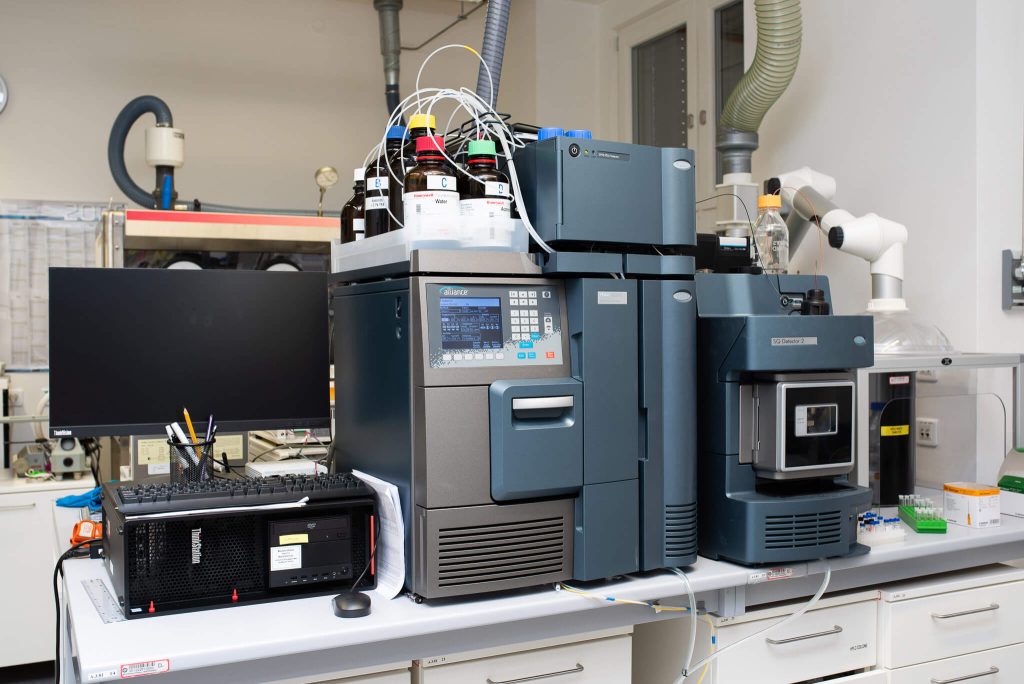
A sealing surface is only as good as the spindle that cut it. On PSA oxygen plants, cryogenic liquid-nitrogen skids and cylinder filling manifolds, leak-tightness is decided at the turning machine: valve seats, flange faces, gland bores and O-ring grooves that a single out-of-tolerance cut turns into a slow O2 or N2 bleed. For a plant that already […]
Practical Guide to Buying Used Grinding Machines for Gas Equipment Factories
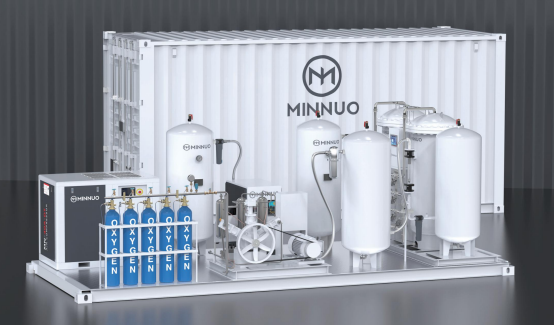
The Big Picture: Grinding Precision Is a Capital Allocation Decision, Not a Procurement Event Every part of a gas plant ends at a surface that has to hold: a sealing face, a flange end, a valve seat, a compressor bore. Those surfaces are grinding results. For a gas equipment factory, in-house grinding decides whether a […]
Buying Used Machine Tools for a Gas Plant Factory: A Practical Sourcing Guide
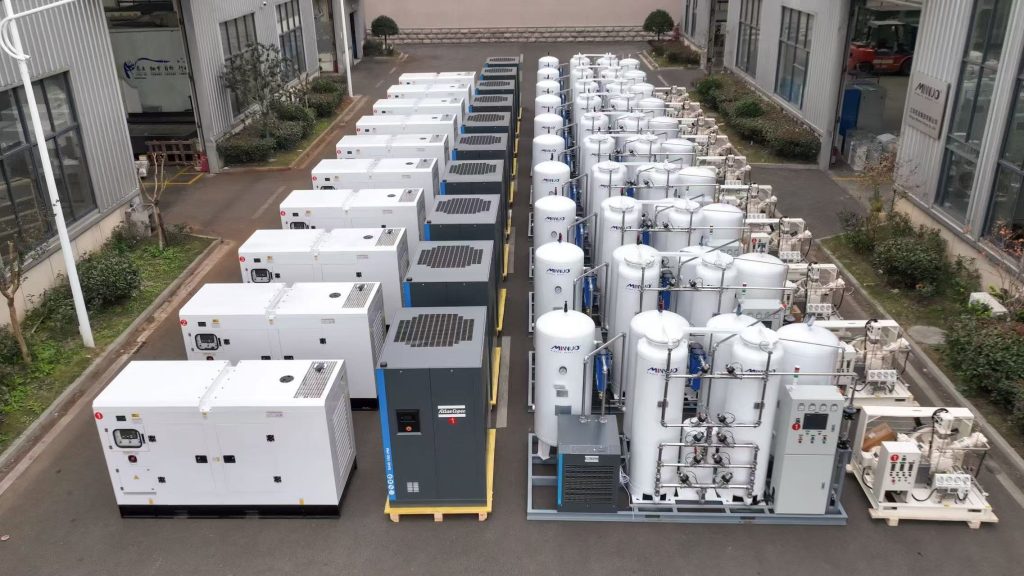
Every industrial gas plant — a PSA oxygen generator skid, a cryogenic nitrogen plant, a compressor package — is ultimately built by machine tools. The pressure vessels, flange faces, shaft bores, and valve bodies that keep a gas system leak-tight are machined on lathes, vertical and horizontal machining centers, and boring mills. For a factory […]
Integrating Nitrogen Generators with Existing Plant Utilities
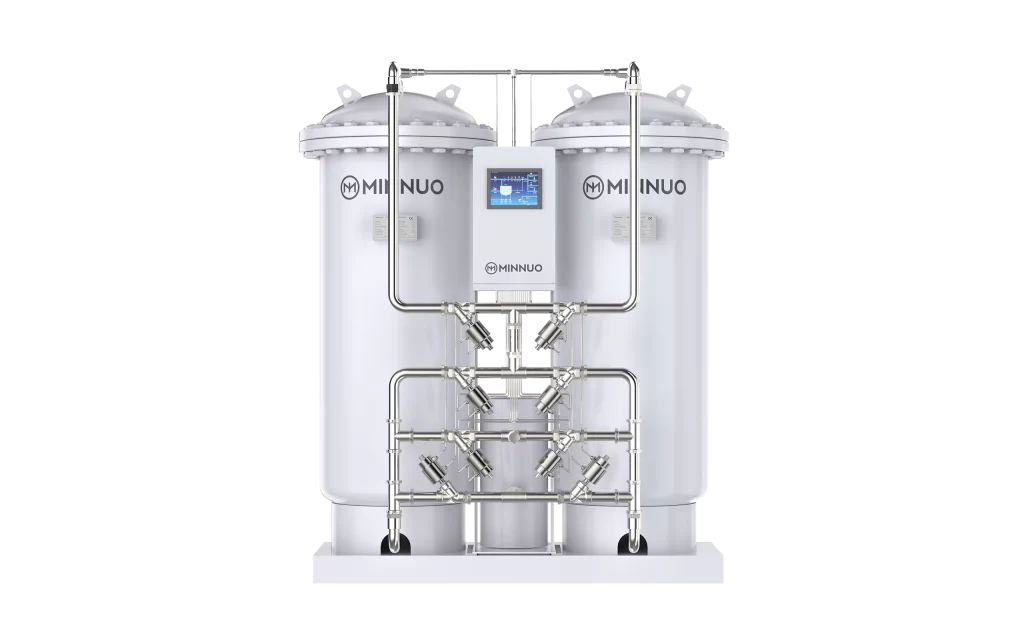
I. Introduction You’ve made the decision: on-site nitrogen generation makes sense for your plant. The ROI calculations look good. The equipment is selected. Now comes the next challenge—integrating it with everything else. A nitrogen generator doesn’t exist in isolation. It needs compressed air, electrical power, cooling, and sometimes connection to plant control systems. How you […]
MINNUO Oxygen Generators: Applications & Advantages in the Aquaculture Industry
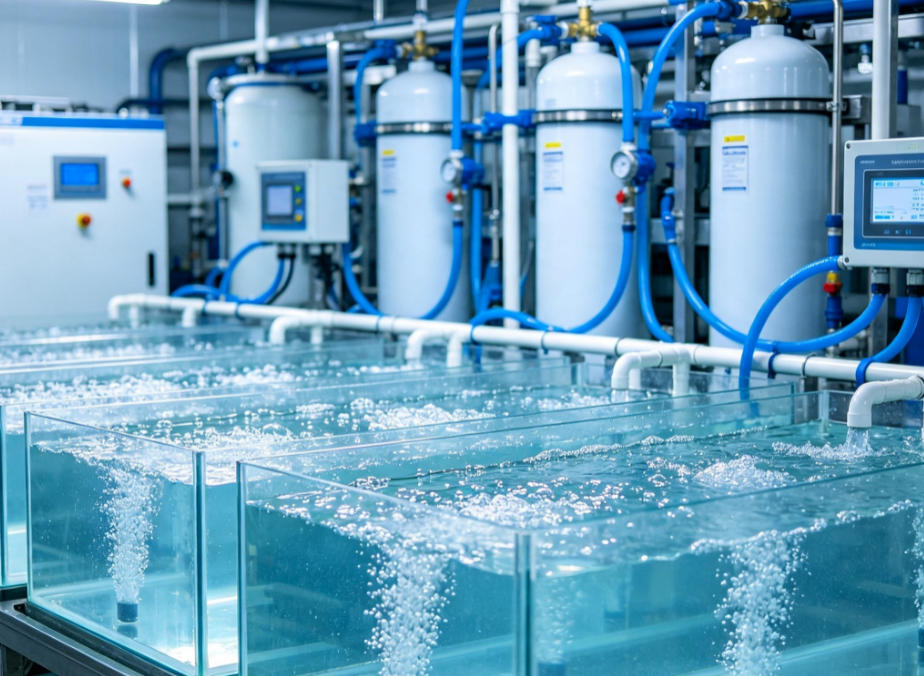
(I) Core Application Scenarios MINNUO oxygen generators (PSA/VPSA oxygen-making equipment) are custom-designed for modern aquaculture. They are widely used in all types of aquaculture and high-density special breeding. Serving as core oxygenation equipment for factory recirculating aquaculture systems (RAS), large-scale pond farming, fry breeding and high-intensity raceway culture, they fully replace conventional impeller aerators, aeration […]
Industrial Gas Facility CAPEX Optimization: Practical Guide
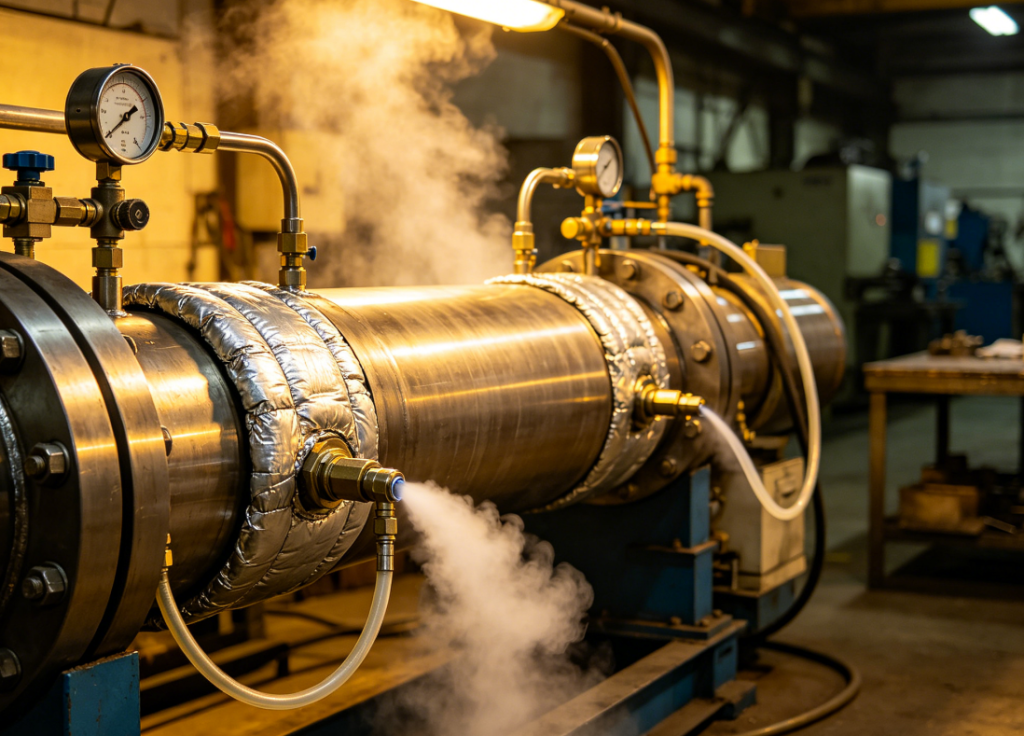
Establishing an industrial gas production facility—whether utilizing Pressure Swing Adsorption (PSA) technology, Vacuum Pressure Swing Adsorption (VPSA), or cryogenic Air Separation Units (ASU)—requires substantial capital investment. Plant managers, engineering directors, and EPC (Engineering, Procurement, and Construction) contractors face the continuous challenge of minimizing upfront Capital Expenditure (CAPEX) while ensuring long-term operational reliability, high gas purity, […]
Nitrogen Generator for Seed Storage and Preservation
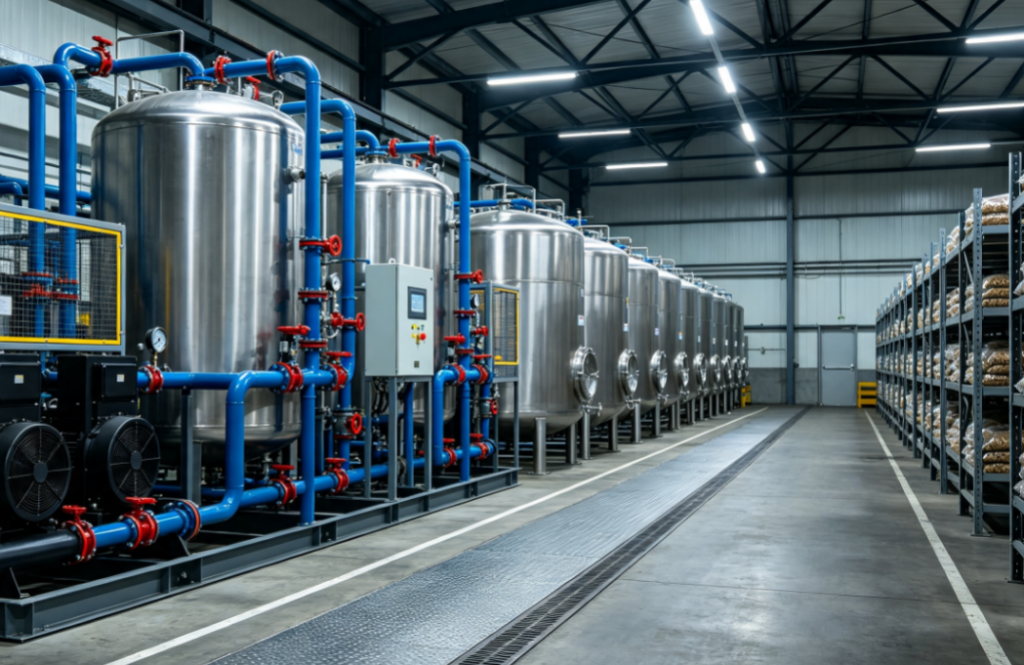
I. Introduction Seeds are living organisms. Even in storage, they breathe, consuming oxygen and slowly depleting their energy reserves. Over time, viability declines. Germination rates fall. Seeds that once promised a bountiful harvest become worthless. For seed banks, agricultural companies, and research institutions, preserving seed viability is mission-critical. A rare heirloom variety lost forever. A […]
Jiangsu Minnuo Nitrogen Generators: Building a Solid Quality Barrier for Optical Fiber Coloring
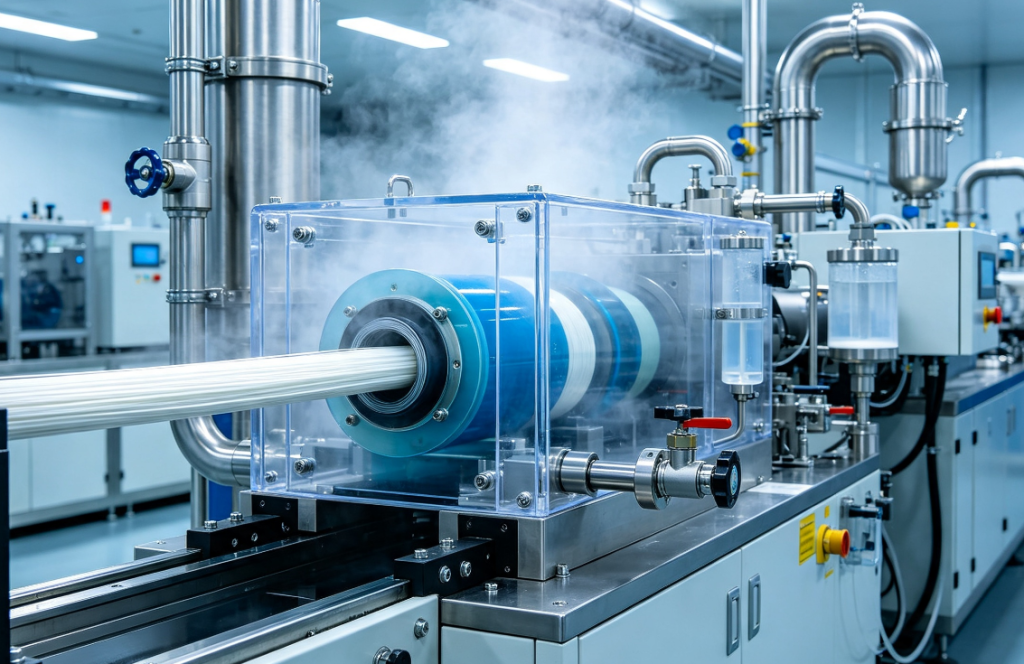
In the manufacturing of optical cables and optical fibers, the coloring process is a critical step that guarantees fiber identifiability, weather resistance and transmission stability. Optical fiber coloring must be completed under high-temperature conditions. Impurities such as oxygen and moisture in the air can easily trigger oxidation, blistering, color difference and other defects on fiber […]
How to Restore Oxygen Purity in a PSA Plant: A Step-by-Step Troubleshooting Guide
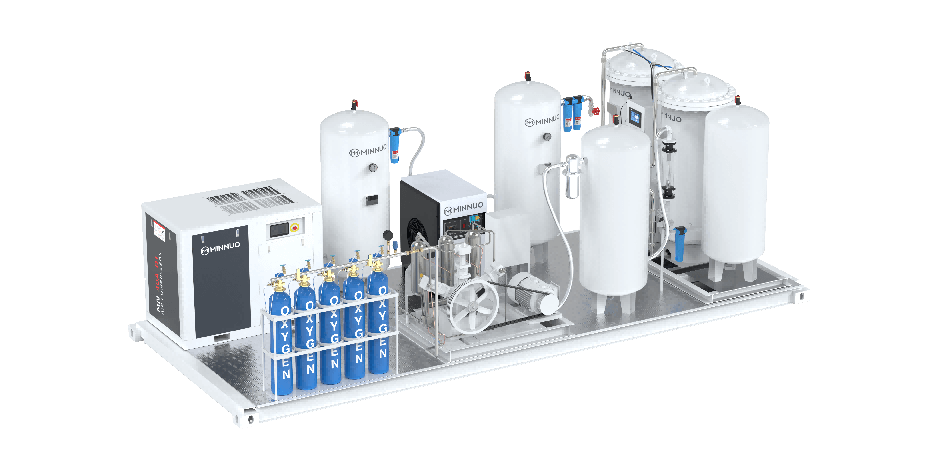
Watching oxygen purity trend downward from 93% to 89% to 86% triggers a familiar anxiety in any plant manager. Every percentage point lost means higher cyanide consumption in a gold leach circuit, slower cutting speeds in a steel mill, or off-spec product in a glass furnace. The good news is that most purity declines can […]
PSA Nitrogen Generators from Jiangsu Minnuo Empower Intelligent Metal Manufacturing
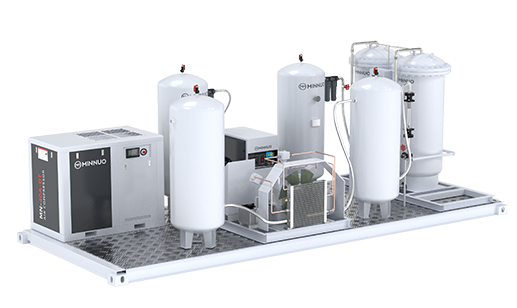
1 Industry Pain Points: Traditional Nitrogen Supply Limits Metal Processing Upgrade In steel smelting, precision sheet metal, aluminum alloy processing, hardware heat treatment, powder metallurgy and other metal manufacturing sectors, stable product quality, high production efficiency and strict cost control are core competitiveness of manufacturers. Metal processing is mostly carried out under high temperature, high […]

 sales2:+86 17506119168